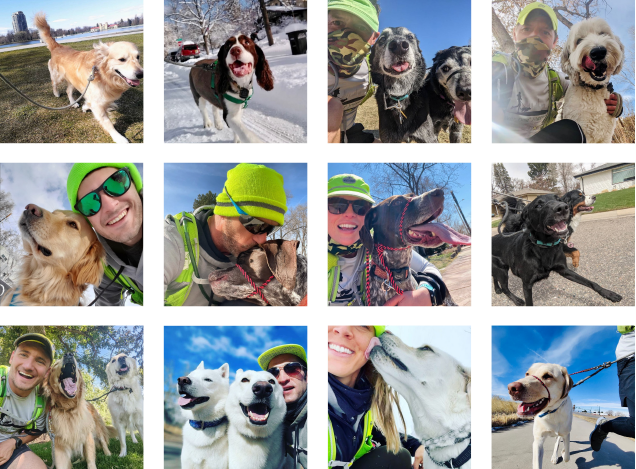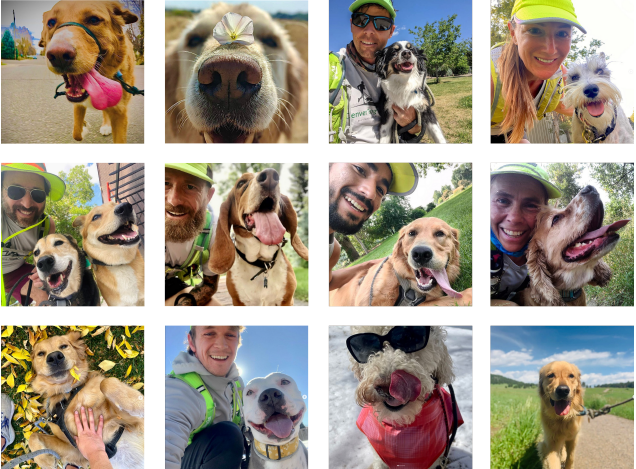
Your dog is bouncing at the trailhead, pulling toward every new smell and greeting every passerby. A few miles later, that same dog may be panting hard, distracted by wildlife, or struggling over uneven ground. A leash alone won't solve those problems. Safe hiking depends on matching the route, pace, equipment, and conditions to the individual dog.
These trail safety tips create a complete dog-hiking system. You'll learn how to assess readiness, build fitness gradually, manage heat and wildlife, carry practical emergency supplies, and prepare for separation or injury. Denver Dog also provides on-leash walking and hiking support through Denver Dog Joggers and Denver Dog Hikers , serving pet parents in Arvada, Denver, Englewood, Golden, Lakewood, Littleton, and Wheat Ridge. Whether you're planning a neighborhood-to-trail outing in Wheat Ridge or a more demanding route near Golden, use the safeguards below before your dog's paws reach the path.
1. Always Use a Secure Leash and Collar System
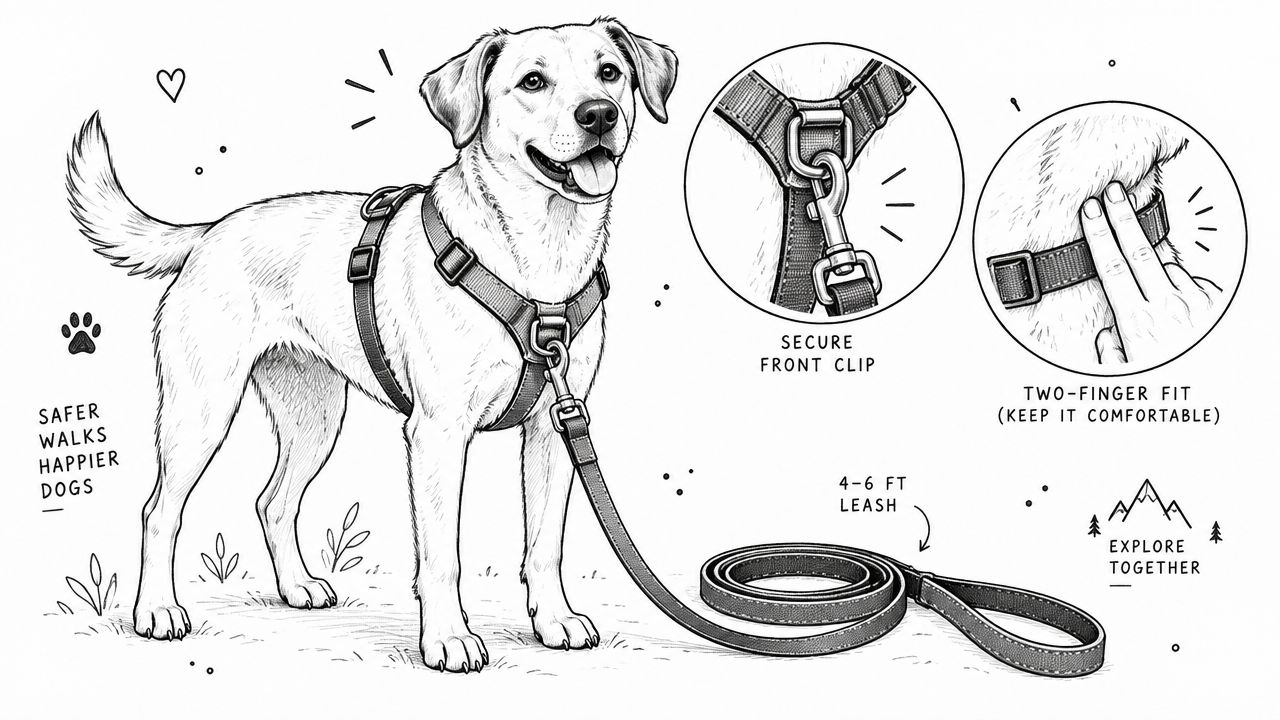
A secure leash system gives you control before your dog encounters a cyclist, steep drop, loose rock, horse, or wildlife. Choose a durable 4- to 6-foot leash for ordinary trail work, and pair it with a collar or harness that fits snugly without restricting breathing or movement.
A front-clip harness often gives better control on uneven terrain because it can reduce forward pulling and help you redirect your dog without putting all the force on the neck. The attachment point, stitching, clasp, and handle all deserve inspection. A strong dog can expose weak hardware quickly, especially on rocky Front Range routes around Golden, Lakewood, and Denver.
Fit and inspect before leaving
You should be able to slide two fingers between the collar and your dog's neck. Check the fit again after your dog has moved, because some dogs can back out of a loose collar when startled. For a detailed walkthrough, review this guide on how to fit a dog collar.
- Test the attachment: Pull firmly on the leash and harness at home before heading to the trailhead.
- Replace damaged gear: Fraying webbing, fading, bent clips, or loose stitching are reasons to retire a leash.
- Match strength to the dog: Select equipment rated for your dog's size, weight, and pulling power.
- Carry a backup: A second leash clipped to a separate attachment point can help if the primary leash breaks.
A longer training leash can be useful for controlled practice in an appropriate open area, but it creates more opportunity for tangles and sudden distance on crowded or technical trails. A 10 ft training leash for dogs is a training tool, not a substitute for close control where other trail users or wildlife are present.
2. Know Your Dog's Fitness Level and Build Gradually
A route that suits a young sporting dog may overwhelm a senior companion. Age, breed structure, body weight, current conditioning, previous injuries, and health conditions affect how a dog handles elevation, heat, and uneven ground around Denver, Golden, Arvada, Englewood, Lakewood, Littleton, and Wheat Ridge.
Choose an outing your dog can finish comfortably. Begin with short, flatter walks, then watch the evidence: steady movement, willingness to continue, normal behavior, and recovery during breaks. Repeatedly lying down, lagging, limping, shortening strides, or struggling on descents means the route or pace needs to change.
For a dog returning to exercise, use easy neighborhood walks before adding controlled trail exposure. Increase one demand at a time, such as duration, terrain difficulty, or pace. More elevation may provide a worthwhile challenge for a fit dog, while a shaded, modified route may be the safer choice for a senior dog. Rest days or easy walks give muscles and paws time to recover.
Denver Dog Hikers uses individualized assessments to match Front Range outings with a dog's energy level and temperament. Owners planning routes from Golden to Littleton can apply the same approach rather than comparing their dog with another dog's performance.
Use each outing to check:
- Movement: Look for stiffness, limping, shortened strides, or reluctance on descents.
- Recovery: Panting should ease with rest. Persistent heavy panting calls for caution and an earlier return.
- Growing bodies: Ask your veterinarian what activity suits a puppy's development.
- Progression: Change only one training demand at a time, then assess how your dog responds.
Before increasing the program, review this guide to conditioning a dog for trails and fitness. Veterinary advice matters particularly for dogs with orthopedic, respiratory, or cardiac concerns.
3. Carry Essential Water and Hydration Supplies
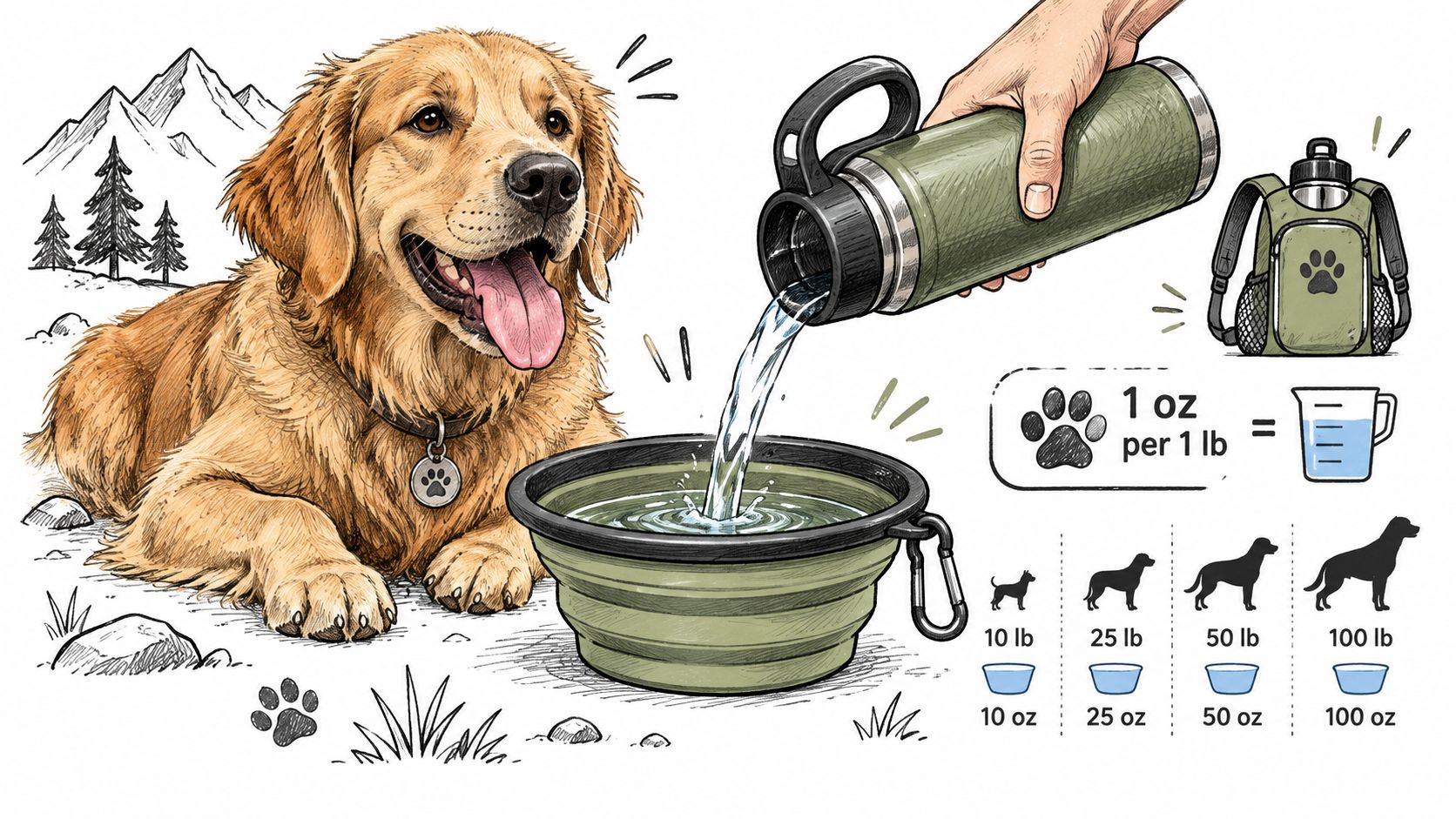
A short loop near Golden can become a longer outing when your dog investigates every scent, pauses on steep ground, or needs extra recovery breaks. Pack water for the full hike and the return to the vehicle. Do not base the plan on a creek, pond, or trail fountain, since water quality and availability can change.
Dogs cool mainly by panting, and exertion increases fluid needs. Offer modest amounts during planned breaks instead of waiting for frantic drinking. A collapsible bowl keeps drinking controlled and reduces spills. For longer routes around Denver, Englewood, Lakewood, Wheat Ridge, or Littleton, a dedicated dog hydration pack keeps water available without repeatedly unpacking supplies.
Carry water on every dog hike, including familiar neighborhood-to-trail routes.
Read drinking behavior as a warning
If your dog suddenly seeks water, pants heavily, drools excessively, develops dry gums, appears unusually tired, or recovers slowly, stop and reassess. Move toward a cooler location and shorten the outing. Water can support recovery, but it cannot make an overheated route or an excessive distance safe.
- Pack a separate supply: Avoid stagnant puddles and unfamiliar water sources.
- Offer a bowl: A collapsible bowl helps your dog drink at a manageable pace and limits waste.
- Cool with care: Water on the paws and underside may help after heat exposure. Severe or persistent signs require veterinary attention.
- Protect the return reserve: Set aside enough water to reach the vehicle, not only the turnaround point.
Practical rule: Urgent drinking means the plan needs to change. Pause, cool your dog, reassess the route, and turn around if recovery is not prompt.
Professional handlers carry hydration supplies on every dog hike, and pet parents should follow the same practice. Review this complete guide to hydration during exercise for dogs before extending a route or adding more exposed terrain.
4. Check Weather Conditions and Avoid Heat Stress
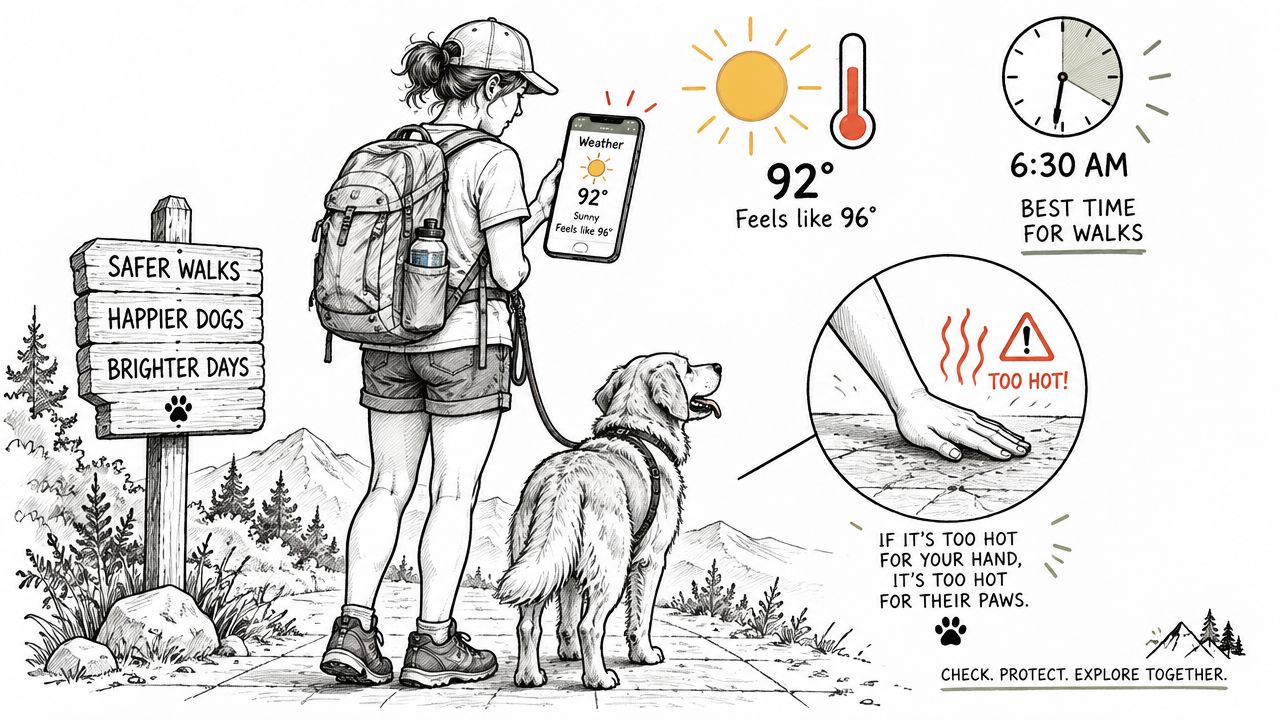
A route from Denver to Golden can shift from comfortable to unsafe before you reach the trailhead. Exposed rock, hot pavement, snow, and ice affect paw health and body temperature, while shade and cooler timing can make the same distance manageable. Check the forecast, official alerts, and local restrictions before leaving for Denver, Arvada, Littleton, Lakewood, Wheat Ridge, or another Front Range destination.
The National Park Service hiking safety guidance recommends checking closures, wildfire risk, and weather before hiking, and notes that dogs can overheat like people. Official heat restrictions should change your route or schedule, not merely your pace.
Make weather part of the route decision
In hot conditions, start early or later, choose shade, shorten the outing, or reschedule. A dog that continues forward may still be tiring. Excitement can hide fatigue until the dog slows, becomes unsteady, or stops responding normally.
Use the five-second hand test on pavement and rock. If you cannot keep your hand on the surface for five seconds, choose a cooler route or another time. Booties can protect paws from snow, ice, abrasive ground, and heat, but they do not prevent overheating.
- Heat: Avoid exposed midday routes during severe heat. Never leave your dog in a parked vehicle while you hike.
- Cold: Short-haired, small, and older dogs may need extra protection in winter.
- Snow and ice: Add traction or paw protection when appropriate, then inspect paws for packed snow.
- Storms: If thunder follows lightning within 30 seconds , shelter immediately. Remain sheltered for 30 minutes after the last thunder or lightning event, following the National Park Service lightning rule.
Weather decisions also protect the return trip. Leave enough energy and daylight for your dog to reach the vehicle, especially on exposed routes near Lakewood, Littleton, or Wheat Ridge. Denver Dog Joggers and Denver Dog Hikers can adjust timing and route choice when ordinary exercise no longer fits the conditions. Postponing the hike is often the safer plan.
5. Stay Alert to Wildlife and Maintain Trail Awareness
A deer near Golden, a rattlesnake on a rocky path, or a cyclist approaching from behind can change a hike quickly. Keep your dog close enough to redirect before it lunges, chases, or vanishes into vegetation. Leash length, visibility, and your position on the trail all affect how much time you have to respond.
Before leaving Denver, Arvada, or another Front Range trailhead, check current notices, closures, and ranger information. Wildlife activity, seasonal restrictions, and temporary hazards can change route suitability. Treat a closure as a safety instruction, not an inconvenience to bypass.
Make space before others arrive
Scan ahead and behind. When cyclists, runners, horses, pack animals, or hikers approach, move your dog to the trail edge, shorten the leash, and give them room to pass. The Forest Service advises leashing dogs near hikers, horses, and pack animals. In developed recreation areas, federal regulation 36 CFR 261.16j requires dogs to remain on a leash no longer than 6 feet . ( USDA Forest Service dog guidance)
Wildlife encounters require distance, calm movement, and a clear exit. Do not run toward an animal, encourage barking, or permit a chase. Use a barrier when available and leave the area. Gentle conversation or ordinary trail noise may prevent surprises, but it never replaces leash control.
- Rattlesnakes: Stop advancing when you hear a rattle, then back away slowly.
- Large animals: Wait and give them a wide route rather than forcing a pass.
- Dogs: Keep your dog leashed, including dogs that respond reliably at home.
- Waste: In some wilderness settings, bury dog waste at least 100 feet from water or trails, following Forest Service guidance for hiking with dogs.
Use real-time hazard awareness before setting out. Once moving, put the phone away and watch footing, trail traffic, wildlife signs, and your dog's reactions. That habit matters on busy paths near Lakewood, Littleton, and Wheat Ridge, where hazards can appear with little warning.
6. Prepare an Emergency Kit and Know First Aid Basics
A paw cut, thorn, torn nail, or collision can end a hike quickly. Your emergency kit should help you stabilize the problem and get your dog back to the vehicle. It isn't intended to replace veterinary care or let you continue a route after a serious injury.
Pack gauze, bandages, antiseptic, tweezers, disposable gloves, and a clean covering for wounds. Include your veterinarian's contact information and the location of an emergency clinic serving your route. Denver, Lakewood, and Englewood pet parents should identify an appropriate emergency veterinary option before heading out, rather than searching while stressed and far from the trailhead.
Treat the immediate problem
If your dog has severe bleeding, trouble breathing, pale gums, loss of consciousness, or an inability to walk normally, stop the outing. Apply direct pressure to bleeding, keep the dog as still as practical, and contact veterinary support. Don't give human medication or attempt to set a bone unless a veterinarian has specifically instructed you.
A canine first-aid course can improve your response under pressure. Keep one kit in your hiking pack and replace used or expired supplies after every outing.
Stay calm and reduce movement. Your dog may become more frightened when you panic, and extra movement can worsen an injury.
For a quick visual refresher, watch this canine first-aid video. An individual safety app comparison can also help you evaluate communication tools, but no app replaces a route plan, a charged phone, and a person who knows where you went.
Before leaving, tell someone your route and expected return. If you become separated or lost, avoid wandering farther into unfamiliar terrain. Keep your dog close, move away from immediate hazards, and contact emergency services when the situation requires professional assistance.
7. Use Identification and Keep Your Dog Microchipped
A loose dog can cover ground quickly, especially after a wildlife encounter or sudden noise. Identification gives a finder a direct way to contact you, while a registered microchip provides a permanent backup if a collar comes off.
Keep current tags on the collar with your phone number. Add an emergency contact who can respond if you're unreachable. Check that the tag remains readable and that your microchip registration reflects your current address and phone number.
Create a separation plan
Before a trail outing near Golden, Littleton, or a less-familiar route, take a clear photo of your dog. Include the entire body and any distinctive markings. If separation occurs, that image can help you create an accurate notice quickly.
Microchipping should happen through your veterinarian, followed by immediate registration with the manufacturer or database. Shelters and rescue organizations serving Denver, Arvada, and nearby communities can scan for chips, but scanning only helps when the registration details are current.
- Use layered identification: Combine a collar tag, microchip, and secure leash system.
- Check the collar: Confirm the tag and collar are attached before every hike.
- Update changes: Revise contact details after a move, new phone number, or change in household.
- Keep records accessible: Store the microchip number and veterinary information in your phone and in your pack.
The American Veterinary Medical Association reports that microchipped dogs have a 52% to 88% recovery rate , compared with 23% for dogs with tags alone , in its guidance on microchipping and recovery. (AVMA microchip information)
Don't rely on recall alone. A dog can ignore a familiar cue when frightened, injured, or focused on an animal. Identification planning protects the outcome when training and equipment fail.
8. Schedule Regular Veterinary Check-ups and Maintain Vaccinations
Trail fitness starts with health, not enthusiasm. A veterinary check-up can identify orthopedic, respiratory, cardiac, or weight-related concerns before a dog begins regular hiking. This matters for puppies, senior dogs, large breeds, and dogs with a history of limping or exercise intolerance.
Ask your veterinarian whether the planned terrain and pace are appropriate. A dog that handles neighborhood walks may still need a gradual introduction to elevation, uneven rocks, heat, or longer descents. Large breeds may warrant discussion of hip and joint health before intensive trail work, while short-nosed breeds may need especially conservative heat planning.
Keep prevention current
Vaccination records should be easy to access, particularly when your dog will encounter unfamiliar dogs or shared trail environments. Puppies should follow veterinary guidance about completing their vaccination series before exposure to those settings.
Discuss parasite prevention as well. Outdoor routes can expose dogs to fleas, ticks, and heartworms, and your veterinarian can recommend protection suited to your dog's health and lifestyle. Ask about joint support when appropriate, especially for larger or older dogs, rather than starting supplements without professional guidance.
Call your veterinarian after a hike if your dog has persistent limping, unusual lethargy, ongoing breathing difficulty, or a meaningful behavior change. Small soreness may improve with rest, but repeated symptoms deserve assessment.
A pre-season visit also gives you time to update the emergency plan, verify the microchip number, and ask what signs should trigger an immediate call. Routine care makes trail decisions clearer because you know your dog's baseline rather than guessing after a difficult outing.
8-Point Trail Safety Comparison
| Item | Complexity 🔄 | Resources ⚡ | Impact 📊 | Ideal use cases | Advantages ⭐ | Tip 💡 |
|---|---|---|---|---|---|---|
| Always Use a Secure Leash and Collar System | Low, simple setup, ongoing inspection | Low, quality leash/harness, backup clip | High, prevents run-offs and wildlife encounters | All trails, uneven terrain, high-wildlife areas | Immediate control; reduces escapes and incidents | Fit two fingers under collar; replace frayed gear; carry backup |
| Know Your Dog's Fitness Level and Build Gradually | Medium, requires assessment and progressive plan | Low–Medium, time, vet consult, conditioning plan | High, reduces injury risk; improves endurance | Puppies, seniors, novice dogs, long-distance hikes | Prevents overuse injuries; builds confidence | Start short (1–2 miles), monitor panting/limp, allow rest days |
| Carry Essential Water and Hydration Supplies | Low, pack and schedule hydration breaks | Low, water, collapsible bowl, hydration pack/bottle | High, prevents dehydration and heat-related issues | Hot days, long hikes, arid regions | Maintains stamina and organ function; reduces fatigue | Offer water every 15–20 min in heat; follow 1 oz/lb per 2 hrs guideline |
| Check Weather Conditions and Avoid Heat Stress | Low, check forecasts and adjust plans | Minimal, weather app, thermometer, paw protection | High, prevents heat stroke, cold injuries, slipping hazards | Extreme heat/cold seasons, icy or hot pavement conditions | Reduces weather-related injuries; extends safe hiking windows | Avoid 11 AM–4 PM in summer; test pavement with your hand |
| Stay Alert to Wildlife and Maintain Trail Awareness | Medium, requires vigilance and local knowledge | Low, trail reports, wildlife guides, signage awareness | High, reduces wildlife conflicts and lost dogs | Wildlife habitats, seasonal closure areas, multi-use trails | Protects dogs and wildlife; prevents surprise encounters | Keep dog leashed, check ranger reports, make noise on trails |
| Prepare an Emergency Kit and Know First Aid Basics | Medium, assemble kit and learn basic skills | Medium, first aid supplies, training, emergency contacts | High, enables immediate care; can prevent worsening | Remote trails, long outings, areas far from vet services | Immediate response to injuries; lowers infection risk | Take a canine first aid course; pack antiseptic, tweezers, bandages |
| Use Identification and Keep Your Dog Microchipped | Low, one-time procedure + maintenance | Low, microchip, ID tags, registry subscriptions | High, greatly increases chances of reunion if lost | Remote routes, crowded parks, unfamiliar trails | Permanent ID; higher recovery rates across clinics/shelters | Register chip immediately and update info; keep visible tags current |
| Schedule Regular Veterinary Check-ups and Maintain Vaccinations | Medium, recurring visits and records upkeep | Medium, vet exams, vaccines, tests, possible meds | High, detects health issues; prevents disease exposure | Puppies, seniors, predisposed breeds, frequent hikers | Establishes health baseline; enables safe progression | See vet 2–4 weeks before new program; discuss parasite prevention |
Turn Trail Preparation Into a Routine
Safe dog hiking doesn't require eliminating every uncertainty. It requires a repeatable process that catches the preventable problems before they become trail emergencies. Make the same decisions in the same order, even for a familiar route near Denver, Arvada, or Wheat Ridge.
Start by confirming veterinary readiness. Review your dog's current health, vaccinations, parasite prevention, and any restrictions related to age, breed, joints, breathing, or previous injuries. If your dog has shown persistent limping, unusual fatigue, or abnormal recovery after exercise, postpone the harder outing and contact your veterinarian.
Next, select a route that fits your dog's current fitness and the day's weather. Check official alerts, closures, wildfire information, heat warnings, storm conditions, and wildlife notices. A route with shade and an easy turnaround may be a better choice than a longer or more exposed trail, even when both are within your dog's physical ability.
Before loading the car, inspect the leash system. Confirm that the collar or front-clip harness fits, the hardware locks securely, and the leash shows no fraying or damage. Pack enough water for the dog and the return trip, a collapsible bowl, waste bags, first-aid supplies, identification details, and a charged phone. Take a current photo of your dog and tell a trusted person where you're going if the route is remote or unfamiliar.
At the trailhead, pause before starting. Look at your dog's breathing, energy, paws, and behavior. A dog that arrives already stressed, overheated, or unusually tired needs a shorter plan or a different activity. During the hike, watch the dog rather than the mileage. Slow down on descents, create distance from wildlife and other users, offer breaks, and turn around before your dog reaches exhaustion.
The Swiss hiking safety dataset cited in the Mountaineers' on-trail incident report recorded annual hiking accidents rising from 467 in 2006 to 700 in 2014 . In that study, 75.3% of hikers fell during descent, and 80.9% of victims were injured on marked trails or small paths. The lesson applies to dogs and handlers alike. Familiar, designated routes still require controlled downhill pacing and careful footing.
Official Hong Kong records also show that mountain rescues remain a substantial demand. The Fire Services Department received 1,014 mountain search-and-rescue calls in 2022, 695 in 2023, and 588 in 2024, with injuries and fatalities recorded in each year. ( Hong Kong mountain incident trends report) Preparedness matters because rescue is not a convenient backup plan for poor route selection.
Turn these checks into a habit, and trail time becomes calmer, more predictable, and more enjoyable. For busy pet parents, Denver Dog offers structured on-leash walking and hiking support through Denver Dog Joggers and Denver Dog Hikers in Arvada, Denver, Englewood, Golden, Lakewood, Littleton, and Wheat Ridge. The programs provide a practical option when your dog needs weekday exercise, enrichment, and managed trail experience.
Denver Dog offers on-leash walking, running, and hiking support through Denver Dog Joggers and Denver Dog Hikers, with sessions matched to each dog's energy level and temperament. If you want safer, structured weekday adventures in Arvada, Denver, Englewood, Golden, Lakewood, Littleton, or Wheat Ridge, visit Denver Dog to explore the programs.
The Run Down