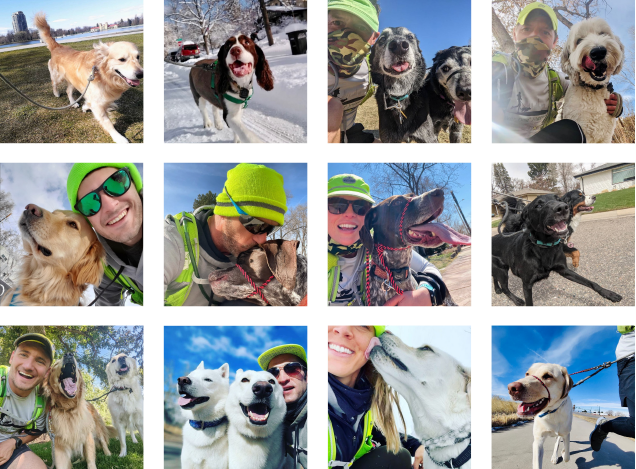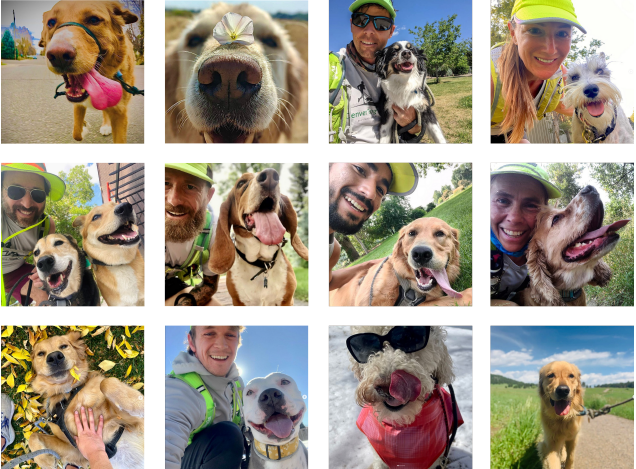
You're halfway up a Denver trail when the golden retriever at the end of your leash starts pulling less. Your own breathing feels harder than the mild temperature suggests, and the water bottle you brought for yourself is nearly empty. On the Front Range, that scenario can develop quickly because hydration during exercise has to account for two different bodies, two cooling systems, and local conditions that make fluid loss easy to underestimate.
Dogs cool primarily through panting, while people lose fluid through sweat and faster breathing. Dry air can hide those losses, and altitude can make an ordinary run or hike feel more demanding than the distance suggests. The right response isn't to force everyone to drink as much as possible. It's to plan timing, watch warning signs, estimate losses, and carry equipment that works while one hand is managing a leash.
Why Hydration During Exercise Hits Different in Denver
At Bear Creek, a dog may still look eager while panting hard on a warm afternoon. The owner may be sweating, but the sweat disappears quickly into Denver's dry air. Both are losing fluid, yet neither gets the obvious soaked-shirt signal that often prompts a sea-level athlete to drink.
Denver's altitude, low humidity, strong sun, and climbing trails create a combined problem. People lose water through sweat and respiration, while dogs depend heavily on panting to move heat away from the body. A thick-coated dog can struggle even when the air temperature feels comfortable to the handler, especially on exposed dirt, pavement, or a slow uphill grade.
Practical rule: Plan for the dog and the person before leaving the driveway. A bottle for the handler isn't a hydration plan for the dog.
Hydration guidance has moved away from rigid restriction and toward individualized drinking. Early athletic advice often discouraged drinking during sport, but the history of hydration advice for athletes shows how modern practice developed around timing, sweat losses, exercise duration, and personal needs. The same principle works on a Denver leash: don't chase a universal volume if the weather, pace, coat, and route change the actual demand.
A useful altitude-specific safety reference is canine altitude sickness guidance for Denver hikers, particularly when a familiar dog is suddenly working harder on a higher or steeper route.

The field-tested takeaway is simple: drink smarter, not blindly . Start hydrated, offer the dog small amounts regularly, build in shade, and adjust pace before either end of the leash reaches trouble.
Reading the Warning Signs on Both Ends of the Leash
A hydration check should become part of the outing, not something reserved for a crisis. Every fifteen minutes or so, glance at the dog's gait, breathing, gums, and willingness to continue. At the same time, notice your own coordination, focus, and energy.
What to watch in the dog
A healthy dog may pant during exercise, so panting alone doesn't tell you enough. Look for a cluster of changes:
- Mouth and saliva: Thick, sticky saliva, excessive drooling, or gums that feel dry instead of slick are warning signs.
- Gum color: Bright red gums are more concerning than the normal color you see before exercise.
- Movement: Wobbling, stumbling, or an unsteady gait means the session needs to stop.
- Behavior: A sudden reluctance to move, repeated attempts to lie down, or an unusual loss of interest in the trail deserves immediate attention.
- Recovery: Panting that doesn't settle during a shaded rest is a reason to take the situation seriously.
Pressing a dog's gums and watching how quickly moisture and normal texture return can provide a quick field check, but it isn't a substitute for veterinary assessment. The guide to dog dehydration signs for Denver pet parents can help owners become more familiar with changes that are easy to miss during an active outing.
What to watch in yourself
People often explain away early symptoms as ordinary exertion. Headache, dizziness, dark urine, muscle cramps, and unusual fatigue can indicate that your plan isn't matching the conditions. If you feel mentally foggy or unsteady, don't keep climbing just because the dog still appears willing.
Make the check conversational. Ask yourself whether you'd trust your balance on loose trail, then ask whether your dog's gait looks coordinated. A change in behavior or movement is more useful than waiting for thirst to become intense , especially in dry air where sweat can evaporate before you notice the loss.
Timing Fluids Before, During, and After the Workout
A Denver run can begin comfortably and still create a fluid deficit before either of you feels thirsty. Use three checkpoints, and adjust them to heat, altitude, pace, and the dog's coat.
For the handler, athletic-trainer guidance supports 500 to 600 mL two to three hours before exercise , followed by 200 to 300 mL 10 to 20 minutes before starting ( athletic-trainer hydration protocol). During the outing, that guidance uses 200 to 300 mL every 10 to 20 minutes , with intake adjusted to sweat rate and conditions. Carrying enough water matters, but forcing fluids can also create discomfort, so use planned sips rather than waiting for strong thirst.
The dog needs smaller, repeated opportunities. Offer a modest drink before leaving, then pause for water regularly on the trail. Let the dog drink at a comfortable pace, especially after climbing or in dry heat. After the run, keep water available and allow gradual rehydration while panting settles.
| Window | Handler | Dog |
|---|---|---|
| Before activity | 500 to 600 mL, 2 to 3 hours before, then 200 to 300 mL 10 to 20 minutes before | Small drink of cool water before leaving |
| During activity | 200 to 300 mL every 10 to 20 minutes, adjusted to sweat losses | Small offerings about every 15 to 20 minutes |
| After activity | Replace losses progressively. Rapid rehydration may require about 150% of body-mass losses in the hour after exercise ( IOC consensus guidance) | Continue offering water in manageable amounts and monitor recovery |
For the handler, keeping body-mass loss under 2% during exercise provides a practical benchmark discussed in the sports-medicine evidence review. Weighing yourself before and after repeated outings can show whether your bottle plan matches actual losses. A dog's weight can also be tracked across training blocks, but one reading is not a reason to force water.
Longer efforts may require carbohydrate and sodium alongside fluid. The HYDAWAY hydration tips for athletes provide a useful packing reference for a repeatable human training routine. Dogs require a separate plan, and human sports drinks should not go into a dog's bowl without veterinary guidance.
Apply the same routine as you condition a dog for trails and fitness. Record the route, weather, water used, and recovery of both ends of the leash, then adjust the next session.
Choosing the Right Hydration Gear for On-Leash Outings
The right container is the one you can use without dropping the leash. A large bottle buried in a backpack may carry plenty of water but fail at the moment your dog needs a drink. I prefer gear that opens one-handed, stays stable while moving, and gives the dog a clean drinking surface.
Short neighborhood sessions
For a short Arvada or Wheat Ridge run, a soft flask plus collapsible silicone bowl is usually the most practical pairing. The flask is lighter and faster to access than a rigid bottle, while the bowl gives the dog a controlled place to drink. A clip-on dog canteen can work for quick loops, but check whether the spout lets your dog drink comfortably rather than merely advertising portability.
Longer trail outings
A hands-free hydration vest or running belt keeps the handler's hands available for leash control. For longer trail days, a 1 to 2 liter bladder offers useful capacity, though the bite valve and hose must be easy to reach. Pair it with a travel bowl so the dog doesn't need to drink from a dirty puddle or share the handler's bottle.
A full vest and travel bowl make more sense for Golden or Englewood trail hikes, where climbing, exposure, and distance can turn a simple outing into a longer effort. Cold morning water may feel refreshing, but by afternoon the same container can warm up, so insulated storage or a shaded pack compartment helps preserve palatability.

Gear test: Fill the system, clip on the leash, and practice offering water before the trailhead. If you need two hands or the dog refuses the bowl, change the setup at home.
A bladder is useful only if you can clean and dry it properly between outings. The hydration bladder guide from Rider 18 provides helpful background on selecting and managing bladder systems. For routine dog runs, simplicity usually wins. A soft flask, bowl, waste bags, and a small towel beat an overpacked kit that slows every water break.
Altitude and Heat Adjustments for Denver Conditions
Denver's dry climate changes how hydration during exercise feels. A handler may breathe harder on an uphill route and lose additional water through respiration, while sweat evaporates before it leaves a visible mark. Dogs face a different challenge. Panting is their primary cooling mechanism, and thick double coats can hold heat close to the body.
The practical adjustment is to treat route exposure as part of the hydration calculation. A shaded Lakewood foothills loop and an exposed July climb aren't equivalent just because they cover a similar distance. Pavement can also add heat to a neighborhood run, while loose trail and sustained grades increase effort even when the air temperature seems moderate.
When plain water may not be enough
For exercise lasting more than about 60 to 90 minutes , expert guidance commonly favors a carbohydrate-electrolyte beverage rather than plain water alone, with 30 to 60 g of carbohydrate per hour for longer efforts and sodium around 400 to 700 mg per liter during and after exercise ( athlete hydration guideline). A separate ACSM summary lists sports-drink targets of 20 to 30 mEq/L sodium, 2 to 5 mEq/L potassium, and 5% to 10% carbohydrate for activities lasting more than an hour ( ACSM hydration principles).
Those figures apply to the human handler. Don't give a dog a human electrolyte product unless a veterinarian specifically recommends it. For the dog, carry fresh water and use veterinary advice when heat, illness, medication, or unusually heavy sweating through the paws complicates the plan.
Denver adjustment checklist
- Start earlier: Choose cooler, shaded periods when the forecast and route allow.
- Shorten exposure: Reduce pace or distance on exposed climbs instead of trying to compensate with forced drinking.
- Watch the coat: Double-coated dogs may need more frequent rests than short-coated dogs at the same pace.
- Pack for the return: Keep enough fluid for the trip back, not only the planned turnaround.
- Respect cramps: Persistent handler cramping during a long, hot session is a reason to consider sodium-containing fluids and end the effort if symptoms continue.
The clinical review of dehydration, exercise, and thermoregulation reinforces why broad drinking rules can miss the actual situation. Sweat rate, duration, intensity, and heat exposure should shape the plan.

Emergency Steps When Something Goes Wrong on the Trail
A dog that suddenly lies down in shade or a handler who becomes dizzy at the top of a climb has already provided the most important instruction: stop . Don't interpret refusal to move as stubbornness, and don't push through dizziness to reach the trailhead without changing the plan.
For the dog, use this sequence:
- Stop and shade: Move off the exposed route and stop all exertion.
- Cool gradually: Offer small sips of cool water. Don't force a large drink or use ice-cold water.
- Lower heat: Wet the paw pads and belly, then continue resting in shade.
- Assess changes: Watch breathing, gum moisture and color, coordination, and responsiveness.
- Call a veterinarian: Vomiting, collapse, severe weakness, or gums that remain dry after a few minutes require veterinary help.
For the handler, sit down, breathe slowly, and sip fluid with electrolytes if available. Use a buddy system to descend, call for assistance, or arrange transportation rather than trying to prove you can finish under your own power.
Plain water also has a limit. On long, hot efforts, overdrinking water without replacing sodium can dilute blood sodium and contribute to dilutional hyponatremia , a serious reason not to turn “drink more” into a competition. The safest approach matches intake to losses and uses an appropriate electrolyte strategy for demanding human sessions.
Emergency rule: If either end of the leash shows neurological changes, collapse, persistent vomiting, or worsening weakness, hydration is no longer the only issue. Seek professional help immediately.
Never pour human sports drinks into a dog's bowl as an improvised treatment. A veterinarian can advise on canine electrolyte needs, heat illness, and any medical condition that changes fluid tolerance.

How Denver Dog Builds Hydration Safety Into Every Session
A safe on-leash run or hike depends on repeated small decisions. The handler needs water for the dog, a usable bowl, a route that fits the conditions, shaded pauses, and enough judgment to shorten the session before warning signs become an emergency.
Denver Dog's on-leash running and hiking routines apply that logic to weekday outings. Handlers carry water for every dog, offer rest opportunities, watch breathing and movement, and adjust route or pace when heat, exposure, or altitude increases the workload. That approach treats hydration during exercise as part of canine fitness management rather than a bottle added at the last minute.
The service supports different outing styles through Denver Dog Joggers and Denver Dog Hikers , from structured neighborhood exercise to guided Front Range trail adventures. Service areas include Arvada, Denver, Englewood, Golden, Lakewood, Littleton, and Wheat Ridge , so owners can match a regular weekday routine to the dog's energy level and temperament.
A professional handler also has to make the call that busy owners sometimes delay. If a dog's gait changes, enthusiasm drops sharply, or heat recovery looks abnormal, the correct response is to stop, cool down, communicate, and reassess. A reliable service builds those choices into every session instead of relying on the dog to signal distress clearly.
You can apply the same system on your own outings: pre-hydrate, carry separate human and canine supplies, offer small amounts regularly, and record how the route and weather affect recovery. Or you can hand over the leash to a team that already manages structured runs and hikes across the Denver area.
Denver Dog provides weekday on-leash runs, walks, and hikes across Arvada, Denver, Englewood, Golden, Lakewood, Littleton, and Wheat Ridge, with hydration, pacing, and safety built into each outing. Visit Denver Dog to choose a service that fits your dog's fitness needs and schedule the next adventure with a practical hydration plan in place.
The Run Down