You've finished lunch, opened your laptop, and promised yourself you'll handle the important tasks before the day gets away from you. Then the afternoon slump arrives. Your coffee has worn off, your dog is watching you from the doorway, and even a simple email feels harder than it should.
So, does exercise give you energy, or does it make you more tired? The answer is yes, movement can raise your energy, but energy and fatigue aren't identical feelings . Exercise changes how your muscles use fuel, influences your mental state, and can help you feel more alert even when it doesn't erase every sensation of tiredness.
For busy pet parents, that makes a dog walk or run more than a responsibility. It can become a practical reset that supports your body, clears your head, and gives your dog structured activity at the same time. You can also explore the broader health benefits of dog walking for dogs and owners when you're building a routine around shared movement.
The Afternoon Slump and What Actually Helps
At two in the afternoon, the tempting choices are familiar. You can pour another espresso, grab something sweet, or push through the fog while telling yourself you'll recover later. A better first move may be to stand up, clip on your dog's leash, and walk with enough purpose to change your breathing and attention.
That doesn't mean coffee or food has no place in your day. A balanced snack, particularly if cravings are driving the slump, can be useful. For practical ideas, browse these high-protein snacks to crush cravings, then pair one with a short movement break instead of treating food as the only answer.
Why movement can feel energizing
Exercise asks your body to increase fuel use, circulation, and breathing. Those changes can make you feel more awake because your muscles and nervous system are no longer operating in the same low-activity pattern that encouraged the slump.
The experience also has a behavioral advantage. A walk creates a clear break between one task and the next, gives your eyes a new environment, and replaces passive sitting with an action that has an obvious beginning and end. Your dog adds accountability, because a scheduled outing is easier to start than an abstract promise to “work out later.”
The important distinction is that exercise doesn't work like a magic switch. You might feel more alert without feeling completely rested, especially if you're short on sleep, under-fueled, ill, or managing a health condition. Still, the evidence supports movement as a legitimate way to improve subjective energy, not merely a motivational slogan.
How Your Body Creates Energy When You Move
Your muscles don't wait for exercise to “release” a hidden tank of energy. They constantly produce and use ATP, or adenosine triphosphate , the immediate fuel that powers muscle contraction. When you start moving, the demand for ATP rises quickly, and your body responds by increasing the systems that make more of it.
During heavy exercise, ATP supply can rise about 50- to 100-fold above baseline . In trained humans during heavy cycling, researchers estimate ATP turnover at roughly 1.5 μmol·g muscle⁻¹·s⁻¹ , a measurement that shows how rapidly working muscle can use fuel. The figures and physiological context are detailed in this review of skeletal muscle energy metabolism.

Your cellular power plant
Think of your muscles as a power plant that adjusts production to match demand. As activity begins, stored ATP gets used, breathing increases, and the body sends more oxygen and nutrients toward working tissue. Your cells then combine fuel from available nutrients with oxygen-dependent processes to keep producing energy.
Exercise also changes what muscle cells do with their internal resources. It increases energy utilization, protein turnover, and cytoskeleton remodeling , which means the workout affects both fuel management and the structure that allows muscle cells to function. This cellular review of exercise and skeletal muscle adaptation explains why movement is a biological event, not just a calorie-burning activity.
During exercise, muscle energy metabolism shifts toward higher respiratory activity. That shift increases measurable energy turnover inside the tissue, including changes in exergy release, exergy destruction, and entropy generation rate, as described in this analysis of energy transformations in exercising muscle.
You may notice the result as warmth, sharper alertness, or a sense that your body has “come online.” The energy isn't imaginary. Your cells are actively changing how they obtain, process, and spend fuel.
The Mental Energy Boost You Do Not Notice Until It Is Gone
Physical energy is only part of the answer. A sedentary afternoon can leave you mentally dull, unmotivated, and easily distracted, even when your muscles haven't done much work. After movement, the task in front of you may feel more manageable because your sense of alertness and readiness has changed.
One analysis found that energy rose after exercise versus quiet sitting in 91% of comparisons . The same analysis found that fatigue didn't consistently decrease unless the activity was low to moderate intensity and lasted longer than 20 minutes . Those findings are summarized by the University of Georgia in its report on exercise and subjective energy.
Energy isn't the same as less fatigue
This distinction explains why someone can finish a walk feeling energized but still want an early bedtime. Exercise may improve vitality, motivation, or mental clarity without removing every sign of physical tiredness. If your goal is to feel more capable through the rest of the afternoon, that energy lift may matter more than achieving a complete absence of fatigue.
A dog walk can reinforce the mental effect through simple sensory changes. You're looking at streets, trees, and movement instead of the same screen. You're listening for traffic and your dog's cues. You're making small decisions about pace and direction, which gives your attention something active to process.
Practical rule: Judge a short workout by how you feel afterward, not only by whether you felt tired during it.
The effect also depends on context. A gentle walk may suit a depleted day, while a challenging run might feel invigorating when you're well-rested and prepared. If the same workout repeatedly leaves you drained, reduce the intensity or duration rather than assuming you need more discipline.
Which Type of Exercise Gives You the Most Energy
The best energy-producing exercise is the one that raises alertness without creating more recovery debt than you can handle. A hard workout may feel powerful, but it can also compete with sleep, work, childcare, and dog-care responsibilities. For many people, moderate movement offers a more dependable balance.
Use the table as a practical decision guide rather than a ranking. “Energy onset” describes how quickly you might notice a change, while “duration” varies with sleep, fitness, fueling, stress, and the demands of the session.
Exercise Types Compared for Energy Impact
| Exercise Type | Energy Onset Speed | Duration of Benefit | Best For |
|---|---|---|---|
| Brisk walking | Gradual and steady | Often carries into the next part of the day | Beginners, busy schedules, recovery days |
| Running or jogging | Fast, especially when pace rises | Can feel strong, but may require more recovery | Fit adults and energetic dog-owner routines |
| Strength training | Moderate, with a focused post-workout feeling | May support longer-term capacity through regular practice | Building muscular resilience and confidence |
| Yoga or gentle mobility | Gradual and calming | Useful for easing tension and resetting attention | Stiffness, stressful afternoons, evening routines |
| Outdoor activity | Varies by pace and terrain | Often feels mentally refreshing beyond the workout | People who dislike indoor exercise and pet parents |
The evidence doesn't support treating intensity as the only route to energy. A 2022 meta-analysis of 81 randomized trials found small-to-moderate gains in energy and vitality, but only a small reduction in fatigue, reinforcing the need to choose exercise according to the outcome you want. You can read the meta-analysis on exercise, energy, vitality, and fatigue for the full discussion.
Match the session to the day
Choose a run when you want a more vigorous challenge and already tolerate that effort well. Choose a brisk walk when your goal is to regain focus without feeling depleted. Gentle mobility can work better than either option when stiffness or stress is the main barrier.
Active recovery also deserves a place in the plan. This guide to active recovery from Optimal Native can help you think about low-demand movement as purposeful training support, not as a failure to work hard. Dog owners can apply the same logic through a practical guide to running with your dog, adjusting pace and distance to the dog's conditioning and comfort.
Quick Workouts for Busy Pet Parents Who Need Energy Fast
You don't need to wait for a free morning or a long gym session. The most useful routine is often the one that fits the exact moment when your energy drops.

Use one of these templates
Morning activation. Start with easy movement, then build gradually. You can use the five-minute circuit shown in the infographic, but scale jumping jacks to marching, push-ups to a wall variation, and high knees to controlled knee lifts if you're new to exercise. The purpose is to wake up your circulation and attention, not to exhaust yourself before work.
Lunch reset. Take your dog for a purposeful walk and keep the pace low to moderate. If you have enough time, continue beyond 20 minutes, since the analysis cited earlier found that fatigue reduction was more consistent under those conditions. You should be able to speak in short sentences without gasping.
Leash intervals. During a normal outing, alternate a brisk walk with a gentle jog only if your dog can move comfortably and safely on leash. The infographic's 30-second walk and 30-second jog pattern can turn a routine trip outside into a structured session, but your dog's gait, breathing, age, and health should determine whether jogging belongs in the plan.
Evening downshift. Finish the day with slow stretching, easy mobility, or a relaxed sniff walk. This option is less about creating a dramatic surge and more about reducing the friction that makes tomorrow's movement harder to start.
Make consistency easier
Schedule movement before the slump rather than waiting until motivation disappears. Keep a leash, comfortable shoes, and a light layer near the door. Pair a walk with a podcast you enjoy, or use a meeting break for stairs and mobility instead of scrolling.
If your dog needs more running than your schedule allows, the guide to starting a run with your dog for Denver pet parents offers a starting point for building the habit safely. Increase demands gradually, and stop when you or your dog show signs of pain, unusual distress, dizziness, or breathing difficulty.
Why Dog Walking Is the Perfect Energy-Boosting Habit
Maya's workday doesn't become less demanding because she owns a dog. Meetings still run long, errands still pile up, and the afternoon can still feel flat. The difference is that her dog creates a reason to leave the desk, step outside, and move even when a formal workout feels unrealistic.

Dog walking combines several useful features in one routine. You get physical movement, outdoor sensory input, and companionship, while your dog gets structured activity and enrichment. The leash also removes a common decision point. You don't have to debate which workout to do when the plan is to put on shoes and head out.
A routine that supports both sides of the leash
For an owner, a walk can be restorative without requiring intense effort. For a high-energy or athletic dog, a walk may need to become a jog or a more structured outing. The right pace depends on the dog's age, conditioning, temperament, breed tendencies, surface, weather, and health.
A systematic review of randomized trials found that chronic exercise increased feelings of energy and reduced fatigue, with a mean effect size of δ = 0.37 . The authors also noted that the effect was strongest when exercise wasn't paired with placebo controls, and that ongoing exercise programs can produce clinically important gains in subjective energy. The findings appear in this systematic review of exercise and energy.
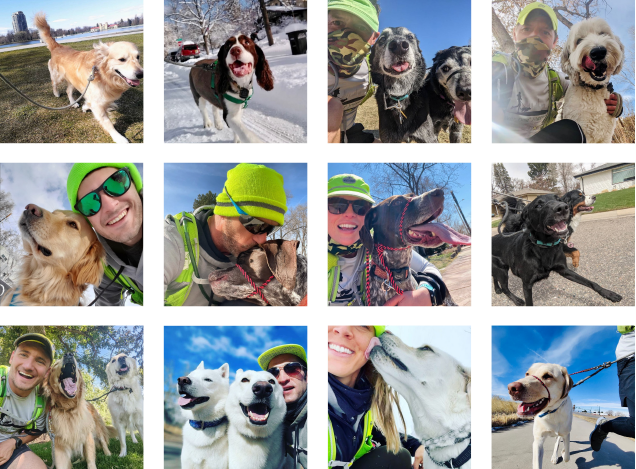
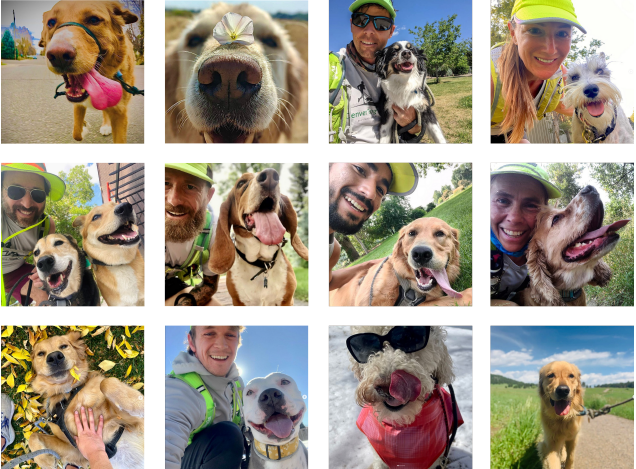
Denver Dog offers on-leash dog running, walking, and hiking through its Denver Dog Joggers and Denver Dog Hikers programs. Its service area includes Arvada, Denver, Englewood, Golden, Lakewood, Littleton, and Wheat Ridge , making professional weekday exercise an option for owners who can't reliably handle every outing themselves.
A dependable dog-care appointment can protect exercise time for your dog and create a predictable movement break for you.
Here's a closer look at how structured outings work in practice:
If you're experiencing unexplained exhaustion, chest pain, fainting, or unusual shortness of breath, don't use exercise as a self-treatment plan. Speak with a qualified medical professional before increasing activity, particularly if you have a diagnosed heart, lung, metabolic, or musculoskeletal condition.
Start Moving Today for Yesterday-Level Energy
Exercise can give you energy through two connected pathways. Your cells increase fuel turnover to support movement, while your brain and attention respond to the change in activity, environment, and effort. That's why a well-chosen walk can leave you feeling more capable even when it doesn't make every trace of fatigue disappear.
The practical lesson is simple:
- Choose the right target: Aim for alertness and vitality when that's your goal, not the impossible promise of feeling tireless.
- Start below your limit: Low-to-moderate movement is often a sensible entry point, especially after a sedentary day.
- Use the dog routine: A leash, a familiar route, and a scheduled outing remove decisions that can delay action.
- Build repeatability: A session that fits your real calendar is more useful than an ambitious plan you can't sustain.
- Respect symptoms: Pain, dizziness, unusual breathlessness, or severe exhaustion calls for caution and professional guidance.
You don't need to wait until you feel energetic to move. Begin with a manageable walk, let the first few minutes be easy, and notice whether your breathing, focus, and mood shift. If you're a dog owner, your pet's routine can become the practical trigger that gets both of you outside.
Denver Dog provides professional on-leash dog walking, running, and hiking for busy pet parents across Arvada, Denver, Englewood, Golden, Lakewood, Littleton, and Wheat Ridge. Visit Denver Dog to schedule structured weekday exercise for your dog and make a reliable movement break part of your routine.
The Run Down