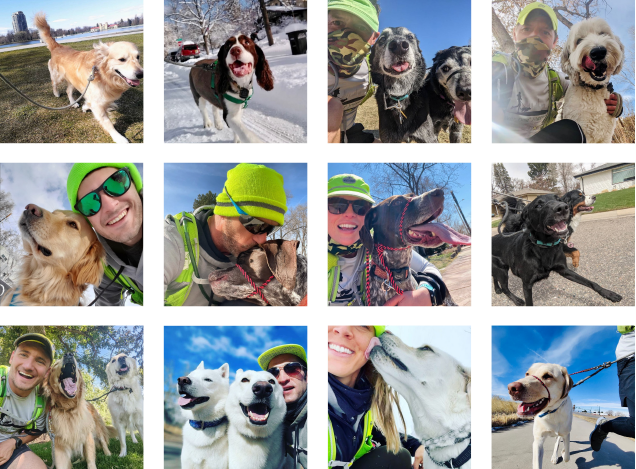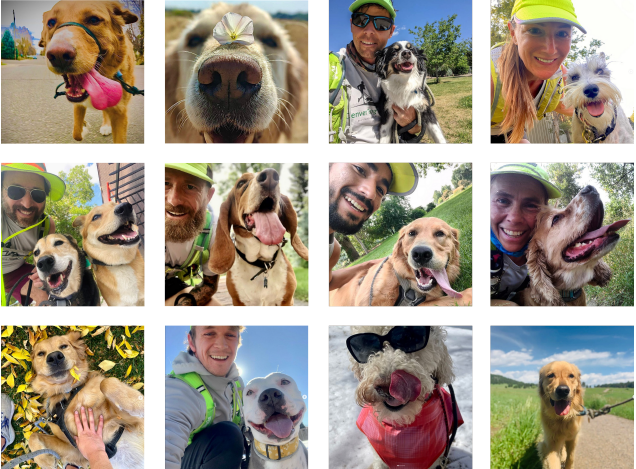
So, you're thinking about hitting the pavement with your furry best friend? Fantastic idea. But before you both take off, let's make sure your dog is truly ready to become your new running partner. The key is to start slow and safe, beginning with an honest look at their fitness and age. A gradual walk-to-run plan after a thumbs-up from the vet is the best way to make sure this new hobby is a fun and positive experience for everyone.
Is Your Dog Ready to Run? An Honest Assessment
It’s easy to get swept up in the excitement of a new fitness goal, picturing you and your dog cruising along scenic trails. But hold on a second. Before you even think about lacing up, we need to ask the most important question: is my dog actually ready for this?
Jumping in too quickly is a surefire way to cause injury, burnout, or even make your dog dislike an activity that should be a source of joy. So, let's put the enthusiasm on pause for a moment and do a proper, honest evaluation.

This isn't a simple yes-or-no question. It means taking a serious look at a few critical factors that determine if your dog can run safely and comfortably by your side.
Age and Breed Considerations
First things first: age is a dealbreaker. I know, puppies seem like little balls of endless energy, and you'd think they could run for days. But their growth plates are still soft and developing. High-impact exercise like running can cause serious, long-term joint damage.
As a rule of thumb, most vets will tell you to wait until a dog is at least 12-18 months old before starting any kind of structured running program. The exact timing depends on their breed and size, with larger breeds often needing more time for their joints to fully mature.
Breed genetics also play a huge part. Some dogs were literally born to run—think Border Collies, Vizslas, and most Retrievers. Others, not so much. Brachycephalic (short-snouted) breeds like Pugs, Frenchies, and Bulldogs can have a hard time breathing during intense exercise and are at a much higher risk for overheating. Similarly, giant, heavy-boned dogs like Mastiffs might experience too much stress on their joints.
Key Takeaway: An honest assessment is your first line of defense against injury. Prioritizing your dog’s structural development and breed-specific needs sets the foundation for a lifetime of happy, healthy runs together.
Health and Fitness Checkup
Even if your dog’s age and breed seem perfect for running, a pre-run checkup with your veterinarian is non-negotiable. This is your chance to talk specifically about running and get a professional opinion on their joint health, heart condition, and even the toughness of their paw pads. A vet can compare your dog's vitals to general normative data to get a clear picture of their overall health.
You also need to be realistic about where they are right now. Is your dog a professional couch potato who lives for short strolls and long naps? If so, they are definitely not ready to tackle a 5K tomorrow. Vets often greenlight only about 20% of new adopters for immediate running programs because most dogs just aren't conditioned for it yet.
Think of it like a "Couch-to-5K" program, but for your dog. For high-energy breeds like Golden Retrievers, a slow, structured build-up is the perfect way to channel their enthusiasm productively and safely.
Essential Gear for Safe and Comfortable Runs
Running with your dog means gearing up for success. This isn't just about having cool gadgets; it's about making sure your best friend is safe, comfortable, and ready to enjoy the miles with you. The right equipment is a non-negotiable for preventing injuries and making the whole experience a good one.
Think of it this way: you wouldn't head out for a run in hiking boots, right? Your dog deserves that same level of sport-specific consideration. A few smart investments in the right gear will make all the difference between a clumsy, frustrating jog and a smooth, joyful run together.
Harnesses and Leashes: The Core Setup
First things first, running with a dog attached to a neck collar is a major no-go. When you're both moving at a fast pace, any sudden pull or quick stop puts a ton of pressure directly on your dog's trachea. This can lead to serious strain or even long-term injury. A well-designed running harness is the only way to go.
The gold standard here is a Y-shaped harness . This design is brilliant because it distributes pressure evenly across your dog's chest and shoulders, which are much stronger and less sensitive than their neck. Crucially, it doesn’t restrict their shoulder movement, allowing them to have a full, natural running gait. We talk a lot about fit and function when you learn about a good dog harness for hiking, and the same core principles apply here.
Now for the leash. A hands-free bungee leash is an absolute game-changer, especially for running on trails or in parks. It clips to a belt you wear, freeing up your arms for better balance and form. The bungee component acts as a shock absorber, softening the jolt if one of you stops suddenly. For city runs on busy Denver sidewalks, a shorter, standard leash of about 4-6 feet gives you more immediate control in crowded spaces.
A proper-fitting Y-shaped harness and the right leash for your environment are the two most important investments you can make. They transition running from a potential struggle into a synchronized activity.
Must-Have Accessories for Every Run
Beyond the harness and leash, a few other pieces of gear are essential for keeping your dog safe and happy out there, especially with Colorado's unpredictable weather.
- Hydration on the Go: Always, always carry water. A simple collapsible silicone bowl is a perfect solution—it's super lightweight and lets your dog drink comfortably without having to lap from dirty puddles that can harbor bacteria.
- Paw Protection: Pavement gets dangerously hot. In the summer, always do the five-second test: place the back of your hand on the asphalt. If it’s too hot for you to hold it there, it's definitely too hot for your dog’s paws. A good paw balm can also help keep their pads conditioned and protected from rough terrain.
- Be Seen, Be Safe: If you're running at dawn or dusk, visibility is key. A reflective vest or a simple light-up collar makes your dog instantly more visible to cars, cyclists, and other runners. It's a small piece of gear that makes a huge difference in low-light conditions.
Building Up Your Dog's Running Stamina, Step by Step
You wouldn’t go from couch potato to marathon runner overnight, and neither should your dog. Expecting them to trot happily beside you for miles on day one is a surefire way to cause sore muscles, paw pad injuries, or even make them hate running altogether.
The secret is a slow, steady buildup. We need to give their body—their muscles, heart, lungs, and joints—time to adapt to the new demands of running. Think consistency over intensity. To get this right, it helps to understand the basic principles of building endurance for running, which apply just as much to our four-legged friends as they do to us.
Start with Walk-to-Run Intervals
The best method I've found for this is the classic walk-run interval approach. It’s incredibly simple but wildly effective. You’ll just alternate short bursts of jogging with periods of walking for recovery. This lets your dog’s body adapt without ever pushing them into the red zone.
Here’s what a first session might look like:
- Warm-up: Start with a brisk 5-minute walk to get the blood flowing.
- Intervals: Jog for 1 minute , then walk for 2 minutes . Repeat this cycle about 5 or 6 times.
- Cool-down: Always finish with another 5-minute walk to let their heart rate settle back to normal.
This gentle start helps prevent injuries and keeps the experience fun and positive. You have to become an expert at reading your dog's body language. Are they still bouncing along eagerly during the run intervals, or are they starting to lag? Their posture and pace will tell you everything you need to know.
My Biggest Piece of Advice: Always, always be your dog's advocate. If you see signs of fatigue—like excessive panting, slowing down, or a drooping tail—it’s time to call it a day and walk home. Pushing them too hard will only teach them that running is a miserable experience.
A Sample 6-Week Plan to Get You Going
Consistency is what builds fitness. Try to get out for a run three times a week on non-consecutive days, which gives your dog’s body crucial time to rest and repair.
Think of the following schedule as a starting point. Every dog is different, so pay close attention and don't be afraid to repeat a week if your pup seems to be struggling.
Sample 6-Week Walk-to-Run Training Schedule
This progressive plan is designed to safely build your dog's running endurance by gradually increasing the jogging intervals while decreasing the walking time over 6 weeks .
| Week | Workout (Repeat 3x/week) | Total Time |
|---|---|---|
| 1 | Jog 1 min , Walk 2 min (repeat 6x ) | 18 minutes |
| 2 | Jog 2 min , Walk 2 min (repeat 5x ) | 20 minutes |
| 3 | Jog 3 min , Walk 2 min (repeat 5x ) | 25 minutes |
| 4 | Jog 5 min , Walk 2 min (repeat 4x ) | 28 minutes |
| 5 | Jog 8 min , Walk 1 min (repeat 3x ) | 27 minutes |
| 6 | Jog 10 min , Walk 1 min (repeat 3x ) | 33 minutes |
By the end of this plan, your dog will be well on their way to becoming a confident and conditioned running partner.

Of course, the training plan is only one part of the equation. Having the right gear—a comfortable harness, a hands-free leash, and a way to carry water—is just as important for keeping your dog safe and happy on the trail.
Teach the Lingo: Essential Verbal Cues
While you’re building your dog’s physical stamina, you also need to build your on-the-run communication. A few clear, consistent verbal cues can turn a chaotic tug-of-war into a synchronized team effort.
Start practicing these cues on your walks, long before you pick up the pace:
- "Let's Go" : Your fun, upbeat cue to start moving.
- "Easy" or "Slow" : A great way to signal that you need to slow down, whether for an intersection or a tricky patch of trail.
- "Leave It" : This one is non-negotiable. You’ll need a rock-solid “leave it” for ignoring squirrels, other dogs, and that half-eaten pizza slice on the sidewalk.
- "Side" : This tells your dog which side to run on, helping to prevent tangles and tripping.
Mastering these commands together will make your runs infinitely safer and more enjoyable for both of you.
Finding the Best Dog-Friendly Routes Around Denver
Figuring out where to run with your dog is just as important as the training itself. The ground beneath your dog's paws plays a huge role in their comfort and long-term joint health. Here in Denver, we’re lucky to have it all, from paved city paths to incredible foothills trails.

Predictable surfaces like concrete and asphalt are convenient, but they're also the least forgiving. Think of it like this: every step is a high-impact landing. While they’re okay for a quick jog now and then, consistent running on hard pavement can really add up to wear and tear over the years.
Whenever possible, aim for softer ground. Natural dirt trails, gravel paths, and even well-maintained grass are much easier on your dog’s body, absorbing impact and reducing strain. Plus, they’re way more interesting for your dog's nose!
Pavement vs. Trails: Making the Right Choice
Living under the intense Colorado sun means paved surfaces aren't just hard—they can be downright dangerous in the summer. Asphalt soaks up heat and can easily get hot enough to blister your dog’s paw pads.
- Try the 5-Second Rule: This is my go-to test. Just press the back of your hand firmly on the pavement. If you can't comfortably hold it there for a full 5 seconds , it’s way too hot for your dog's unprotected paws.
- Run with the Sun: Get out there during the coolest parts of the day. Early mornings and late evenings are your best bet to avoid scorching surfaces and dangerous midday heat.
When you're both ready for a change of scenery, the soft-packed dirt trails in the foothills are a fantastic option. They provide natural shock absorption and a sensory playground of new smells for your dog. If you're looking for ideas, you can discover places to hike with dogs near you that double as perfect trail running spots.
The secret to happy joints and a happy dog? Mix it up. Varying your running surfaces not only provides different physical challenges but also keeps the runs mentally exciting for your pup.
Good Manners on the Trail
Once you hit the trails, remember you're sharing that space with hikers, mountain bikers, and other runners. A little trail etiquette goes a long way in making sure everyone has a good time.
Always keep your dog on a leash unless you're in a designated off-leash area and have a rock-solid recall. On narrow or busy trails, it’s a non-negotiable for safety.
Give a friendly heads-up when you’re coming up behind someone. A simple, clear "On your left!" lets them know you're approaching so you don't startle them or their pets.
Finally, know the rules of the road. Yield to anyone hiking uphill, and always give wildlife a wide berth. Keeping a safe distance prevents stressful encounters for your dog and respects the local critters.
Monitoring Your Dog for Health and Safety on the Trail
Once you hit the trail, your job title changes. You're no longer just the coach; you're your dog's number one advocate. Since they can't tell you when something is wrong, you have to become an expert at reading their body language. It's about looking past the happy tail wags to see what's really going on.
Learning to spot the subtle signs takes practice. You need a solid baseline of what's "normal" for your dog—their typical breathing, their happy trot, their energy levels. Knowing this like the back of your hand is what will allow you to catch a problem a mile away, long before it turns into something serious.

Reading the Signs of Overexertion
Dogs are people-pleasers by nature. They'll often push themselves way past their limits just to keep up with you, so it's your responsibility to know when to call it a day.
Keep an eye out for these tell-tale signs they're running on empty:
- Excessive Panting: All dogs pant, but you're looking for something more frantic. If their tongue is hanging way out and curled up at the tip, they're getting dangerously hot.
- Gait Changes: Is that smooth, easy stride getting sloppy? Are they starting to lag behind instead of trotting at your side? That's a clear signal of exhaustion.
- Thick, Foamy Saliva: A bit of drool is one thing, but thick, ropey saliva is a red flag for overheating and dehydration.
- Reluctance to Move: If your dog suddenly slams on the brakes, lies down, or just refuses to get going after a water break, listen to them. They're telling you they're done.
Your dog communicates with their body, not their voice. Ending a run five minutes too early is always better than pushing them five minutes too long. When in doubt, walk it out.
Hydration and Nutrition for the Canine Athlete
Just like for human runners, proper fuel and water are non-negotiable for your dog. A running dog is an athlete, and their nutritional needs are different from a couch potato's.
Always carry fresh water and offer it often. A good rule of thumb is to take a water break every 15 to 20 minutes , especially on those warm Denver days. The key is small, frequent sips—letting them gulp down a whole bowl can lead to an upset stomach or even a dangerous condition called bloat.
Their diet might need an upgrade, too. A shocking 49% of dogs in the US are overweight or obese, but a running routine can be a game-changer. For a 50-pound dog, a good jog can burn 300-500 calories per session , helping them get to a healthy weight. As their mileage increases, chat with your vet about switching to a food with higher protein to help their muscles recover. You can dig into the full report on pet obesity rates from PetObesityPrevention.org.
The Post-Run Wellness Check
Your job isn't over when you walk back through the front door. Take two minutes after every single run to do a quick head-to-tail check. This simple habit can catch minor issues before they become major headaches.
Here’s what to look for:
- Paws: Carefully check between their toes and on the pads for any cuts, scrapes, thorns, or developing blisters.
- Legs and Joints: Gently run your hands down each leg. Are you feeling any unusual swelling, heat, or tenderness that might signal a sprain?
- Overall Body: Give them a good once-over for any new lumps or bumps, and check for any skin irritation or chafing from their harness.
This quick check is a great way to bond with your dog while making sure they stay healthy, happy, and ready for the next adventure.
When to Bring in a Professional Dog Runner
Let's be realistic—life happens. Your own schedule can get slammed, or maybe you're just not a runner yourself. That doesn't change the fact that your dog still needs to burn off that boundless energy. For a lot of us in Denver, calling in a professional dog running service isn't a luxury; it's a smart, practical way to keep our dogs happy and healthy.
Think about a breed like a German Shepherd, which can hit speeds of up to 30 mph . A casual walk just isn't going to cut it. These dogs are athletes and they need a real workout. When you're tied up at work, a pro ensures your dog gets the intense physical and mental stimulation they're wired for. Did you know consistent running can improve a dog's heart health by 25% ? A tired dog is almost always a better-behaved dog. You can learn more about what different athletic dog breeds need from the AKC.
Knowing When It's Time to Hire Help
So, when should you seriously consider it? It usually comes down to a few common situations:
- Your calendar is out of control. You’re pulling long hours or your schedule is just too unpredictable to commit to a daily run.
- Your dog is a four-legged Olympian. Your pup needs more than a jog around the park; they crave tough trail runs that are best left to an experienced handler.
- You're on the sidelines. An injury has you laid up, but your dog is still bouncing off the walls with energy.
A professional running service is the perfect bridge between your dog’s exercise needs and your own limitations. Think of it as investing in their well-being by guaranteeing they get safe, structured, and reliable runs, even when you can't be the one holding the leash.
Companies like Denver Dog have been doing this for a long time—they’ve logged over 135,000 sessions since 2010. They use vetted handlers and have established safety protocols, which gives you incredible peace of mind. If you want to dig deeper into how these services operate, take a look at this helpful guide to dog walking services in Denver.
Answering Your Questions About Running with Your Dog
Even the best-laid plans can leave you with a few questions once you actually hit the trail. It's totally normal. Let's walk through some of the common things that come up so you can feel confident and prepared for whatever happens on your run.
Getting these details sorted out early on is key to building a safe and fun running partnership with your best friend.
How Can I Tell if My Dog Is Tired or Just Being Stubborn?
This is the big one, and learning to read your dog’s signals is a skill you'll develop over time. A stubborn moment is usually fleeting—they might plant their feet to sniff an irresistible smell but are ready to go again once they've investigated.
True fatigue, on the other hand, is a physical state you can't ignore.
Keep an eye out for these tell-tale signs of exhaustion:
- Heavy, Excessive Panting: Look for a tongue that's hanging way out, often appearing wider or flatter at the tip (what some runners call a "spatula tongue").
- Falling Behind: They’re no longer trotting at your hip and start to consistently lag behind you, no matter your pace.
- Body Language Shift: You'll notice their posture change. A tired dog's head will droop, and their tail will hang much lower than usual.
When in doubt, always play it safe. A dog that’s genuinely overworked isn't going to "rally" and push through it like a human might. It's always, always better to cut a run short and walk home.
Can I Run with Two Dogs at the Same Time?
I get this question a lot, and my honest answer is: it's an advanced skill. Juggling different paces, energy levels, and the inevitable leash tangles takes a ton of coordination and isn't something I'd recommend for anyone just starting out.
Before you even think about it, each dog needs to be a pro-level runner on their own. We're talking perfect leash manners and a reliable pace. If you get to that point down the road, a good quality leash splitter can help manage the lines. For now, focus on mastering the one-on-one run.
What Should I Do if My Dog Cuts Their Paw?
First thing's first: stop immediately. Don't try to finish your run. Carefully assess the paw pad to see what you're dealing with.
For a very minor scrape, you can often use a little water from your bottle to gently rinse it clean and then walk home slowly. Keep a close eye on them.
If the cut is deep, actively bleeding, or your dog is limping significantly, don't force them to walk on it. Your priority is to get them home without causing more pain or injury, so call a friend or a rideshare for a lift if you're far from home. Once you get back, give your vet a call for advice. Even small cuts on a paw can get infected easily.
Sometimes life just gets in the way, and you can't get that run in. If you want to make sure your high-energy dog is getting the workout they crave, a professional service might be the perfect solution. Denver Dog provides safe, structured on-leash runs and hikes with handlers who know how to keep your pup happy and healthy. You can learn more about their services at https://www.denverdog.co.
The Run Down