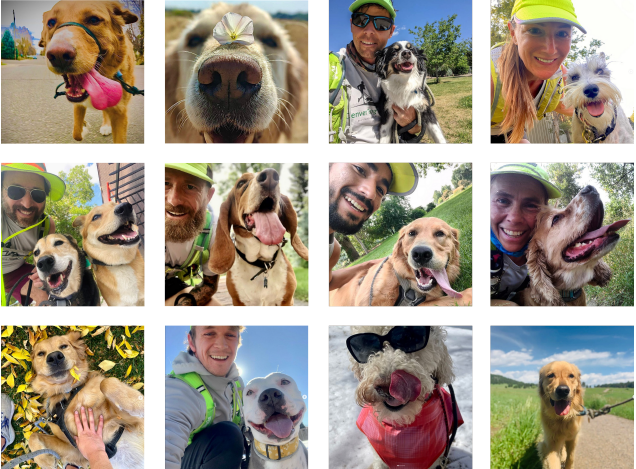
Keeping your canine companion happy, healthy, and engaged goes far beyond daily walks around the block. Dogs thrive on new experiences, mental challenges, and structured physical exertion that align with their natural instincts. Whether you have a high-energy athlete, a curious senior, or a new puppy, finding the right activities is key to preventing boredom-related behaviors and deepening your bond. A tired dog is a happy dog, but a fulfilled dog is a truly content one.
This guide explores a curated list of fun activities to do with your dog, focusing on options that provide robust physical and mental enrichment. We move beyond the obvious, offering practical and actionable ideas you can implement immediately. You will discover everything from professionally guided trail adventures and structured urban exploration to mentally taxing scent games that tap into your dog’s innate abilities.
We've designed this resource specifically for busy Denver pet parents, highlighting how to safely and effectively integrate these exercises into your routine. For owners of high-energy breeds or those with limited time, we'll also show how local services like professional dog runners and hikers can provide the structured outlet your dog craves. Get ready to discover engaging and fulfilling ways to enrich your dog's life, starting today.
1. Professional Dog Running Services
If a standard walk doesn't tire out your energetic companion, professional dog running is one of the most effective and fun activities to do with your dog, even when you can't be there. This service provides structured, on-leash running sessions with trained handlers who tailor the pace and distance to your dog's specific fitness level, age, and breed. It's an ideal solution for high-energy breeds like Vizslas, Weimaraners, or Border Collies that require sustained cardiovascular exercise to stay happy and healthy.
Why It Works
A professional running service ensures your dog gets the high-intensity workout they crave in a safe, controlled manner. Handlers are trained to read dog body language and manage pace, preventing overexertion while maximizing physical and mental benefits. Consistent sessions help reduce anxiety, curb destructive behaviors, and maintain a healthy weight.
Pro Tip: Before starting any intensive running program, ensure your dog has a recent health check-up with your vet to clear them for vigorous activity. This is especially important for growing puppies and senior dogs.
Getting Started
To ensure a successful experience, follow these tips:
- Start Slow: Begin with shorter, 30-minute runs to build your dog’s endurance before moving to longer sessions.
- Communicate: Inform your handler of any quirks, fears, or medical issues your dog has.
- Consistency is Key: A regular schedule, even just once or twice a week, delivers the best results for your dog's fitness and behavior.
For those running with their dogs themselves or working as professional handlers, improving personal fitness is just as important. You can find valuable tips on how to run faster and longer to keep up with your four-legged athlete. To see how these services fit into a budget, you can explore local dog walker and runner pricing.
2. Guided Trail Hiking with Dogs
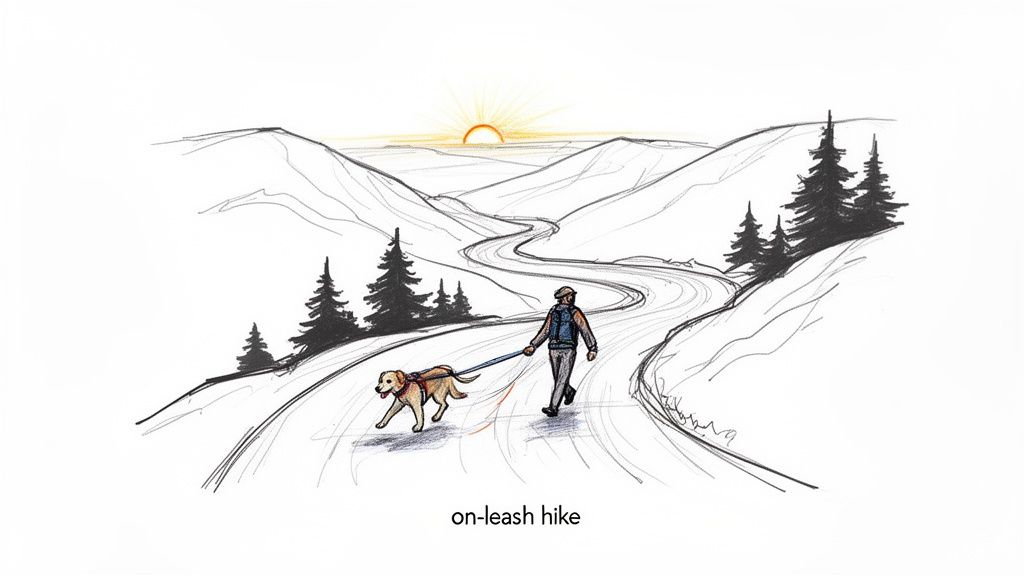
Taking your dog on a trail provides unmatched physical exercise and mental enrichment, making it one of the most rewarding and fun activities to do with your dog. Guided hiking services offer on-leash adventures on scenic trails, where experienced handlers lead dogs through stimulating natural environments. This service is perfect for city dogs needing a nature fix, providing safe exploration of varied terrain without the owner needing to plan the logistics. Hikes are tailored to your dog's fitness level, from gentle strolls on Front Range trails to more vigorous mountain ascents.
Why It Works
Guided hikes offer more than just a walk in the woods; they provide crucial sensory stimulation through new smells, sounds, and sights. Professional handlers ensure safety by managing interactions with wildlife, understanding trail etiquette, and navigating changing conditions. This structured exposure builds confidence in timid dogs and provides a positive outlet for energetic ones, supporting both mental and physical well-being.
Pro Tip: Always ensure your dog's tick and flea prevention is up to date before any trail activities. High-altitude trails can also require dog-specific sunscreen on sensitive areas like the nose and ears.
Getting Started
To prepare your dog for a successful trail adventure, follow these steps:
- Condition Paws: Gradually expose your dog to rougher surfaces to toughen their paw pads before tackling rocky terrain.
- Hydration is Key: Ensure your handler has access to plenty of fresh water for your dog, especially during warmer months or on strenuous hikes.
- Start with Shorter Trails: Begin with beginner-friendly hikes to assess your dog's stamina and comfort level before moving to more challenging routes.
To find the perfect spots for your adventures, check out these essential resources for the best dog-friendly hikes Colorado offers.
3. Interactive Fetch and Retrieval Games
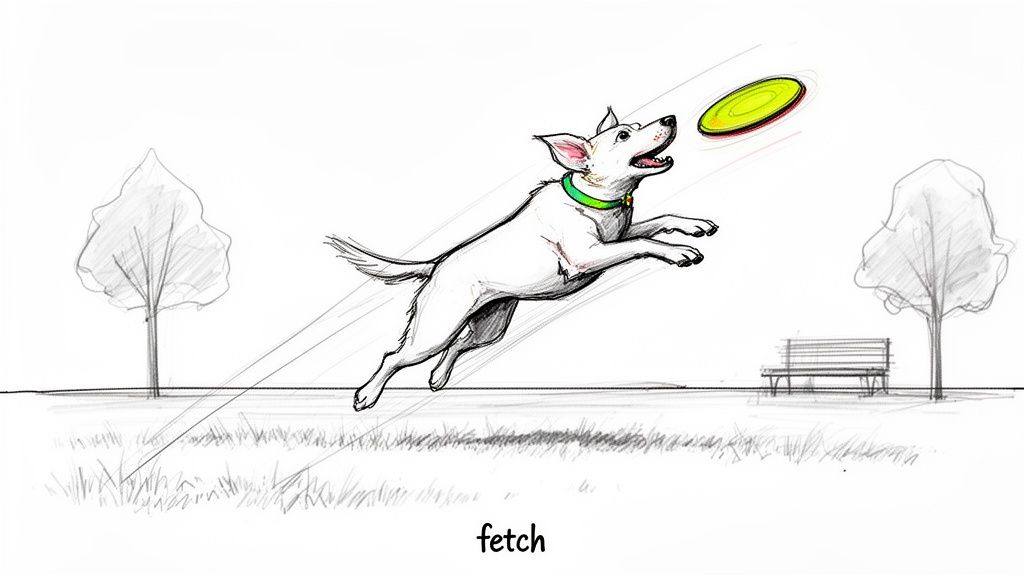
Going beyond a simple toss-and-return, structured fetch and retrieval games are fantastic fun activities to do with your dog that engage their natural prey drive. These focused play sessions provide intense physical exercise and crucial mental stimulation, making them ideal for high-drive breeds like retrievers, terriers, and shepherds. This isn't just mindless chasing; it's a structured workout that reinforces commands and strengthens your bond.
Why It Works
Interactive retrieval taps into a dog's instinct to chase, capture, and return, providing a deep sense of satisfaction and purpose. A structured game prevents over-arousal and teaches impulse control, especially when incorporating commands like "wait" and "drop it." This focused play is a powerful tool for burning excess energy quickly and efficiently, leading to a calmer, more content companion at home.
Pro Tip: Play on soft surfaces like grass to protect your dog's joints from the impact of jumping and quick stops. Avoid asphalt or concrete, especially during high-intensity sessions.
Getting Started
To make fetch safe and productive, keep these tips in mind:
- Keep it Short: Limit sessions to 15-20 minutes with water breaks to prevent overheating and exhaustion.
- Teach the "Drop": A reliable "drop it" or "release" command is essential for a smooth and frustration-free game.
- Use Safe Toys: Choose toys designed for fetch, like durable rubber balls or soft frisbees, and avoid sticks that can splinter.
- Vary the Game: Introduce multiple toys to keep your dog engaged and reduce the chances of possessive behavior.
4. Obstacle Course and Agility Training
If you're looking for fun activities to do with your dog that engage both mind and body, agility training is a fantastic choice. This sport involves guiding your dog through a series of obstacles like jumps, weave poles, tunnels, and balance beams. It’s an exhilarating activity that provides intense physical exercise and mental problem-solving, dramatically strengthening the bond between you and your canine partner. It's especially suited for intelligent, energetic breeds that thrive on having a "job" to do.
Why It Works
Agility training is more than just a physical workout; it's a confidence-building exercise in communication. As your dog learns to navigate obstacles, they also learn to trust your cues and focus their energy productively. This structured activity is excellent for reducing anxiety and channeling instinctual behaviors like running and jumping into a positive outlet, leading to a calmer, more well-behaved companion at home.
Pro Tip: Always have your dog cleared by a veterinarian before starting any intensive agility work. Proper warm-ups and cool-downs are crucial to prevent joint stress and injuries, especially with jumping activities.
Getting Started
To begin your agility journey safely and effectively, follow these tips:
- Start Simple: Begin with ground-level obstacles like tunnels or low balance beams to build confidence before introducing jumps.
- Keep It Positive: Use high-value rewards and enthusiastic praise to keep your dog motivated. Never force a dog through an obstacle.
- Build as a Team: The handler's role is just as important as the dog's. Training together builds clear communication and a stronger partnership.
Many professional trainers incorporate basic agility obstacles into their fitness programs to add variety and mental stimulation. For those looking to dive deeper, Denver-area clubs like Mile High Dog Agility offer excellent resources and training classes.
5. Neighborhood Walking Tours with Socialization
Transforming a daily walk into a structured neighborhood tour is one of the most enriching and fun activities to do with your dog. These are leisurely to moderate-paced walks through diverse urban environments, such as Denver’s LoDo, Washington Park, or Highland neighborhoods. The goal is to combine physical exercise with vital environmental exposure, allowing your dog to safely experience new sights, sounds, and scents. This activity is especially beneficial for building confidence and practicing good leash manners in a controlled setting.
Why It Works
A guided neighborhood tour provides crucial mental stimulation that a simple potty break doesn't offer. For dogs, sniffing new lampposts or hearing distant city sounds is like reading the daily news. When managed by a professional handler, these walks also become safe opportunities for controlled socialization, teaching your dog to remain calm around other people and pets. This consistent exposure helps reduce reactivity and anxiety, leading to a more well-behaved, confident companion.
Pro Tip: Always use a front-clip harness or similar training tool on city walks. These provide better control if your dog pulls or lunges, preventing them from darting into traffic and making the walk safer for everyone.
Getting Started
To make your neighborhood tours a success, follow these tips:
- Vary Your Routes: Don’t take the same path every day. Exploring new streets keeps the experience exciting and mentally engaging for your dog.
- Reward Calm Behavior: Use high-value treats to reward your dog for walking calmly on a loose leash and for neutral or positive reactions to other dogs or people.
- Communicate with Handlers: If using a professional service, inform them of any triggers or behavioral quirks your dog has so they can manage situations proactively.
Understanding your dog's cues is critical for safe socialization. You can learn how to read dog body language for safer, happier walks to better interpret their comfort levels.
6. Scent Work and Nose Games
Engaging your dog's most powerful sense is one of the most enriching and fun activities to do with your dog. Scent work and nose games are mental enrichment activities that allow your dog to use their natural sniffing abilities to find hidden treats or specific scents. This form of mental stimulation is incredibly effective at tiring out a dog, often more so than physical exercise alone, making it perfect for rainy days or dogs on restricted activity. It's a fantastic confidence-builder for timid dogs and provides an outlet for breeds with strong hunting instincts.
Why It Works
A dog’s sense of smell is their primary way of interpreting the world. Scent work provides a structured, species-appropriate job that fulfills this innate drive. These focused sessions can reduce anxiety, prevent boredom-related behaviors, and strengthen the bond between you and your pet. The intense concentration required for nose games provides significant mental exercise in a short amount of time.
Pro Tip: Always end a scent work session on a high note by letting your dog successfully find the final treat. This ensures they stay motivated and enthusiastic for the next game.
Getting Started
To introduce your dog to the world of scent work, follow these simple steps:
- Start Easy: Begin by letting your dog watch you hide a high-value treat (like a piece of hot dog or cheese) under one of several boxes or cups. Give a cue like "Find it!"
- Keep It Short: Limit initial sessions to 10-15 minutes to keep your dog engaged and prevent frustration.
- Be Consistent: Use a consistent search area to help your dog build a routine and understand the game before you start increasing the difficulty.
7. Swimming and Water-Based Exercise
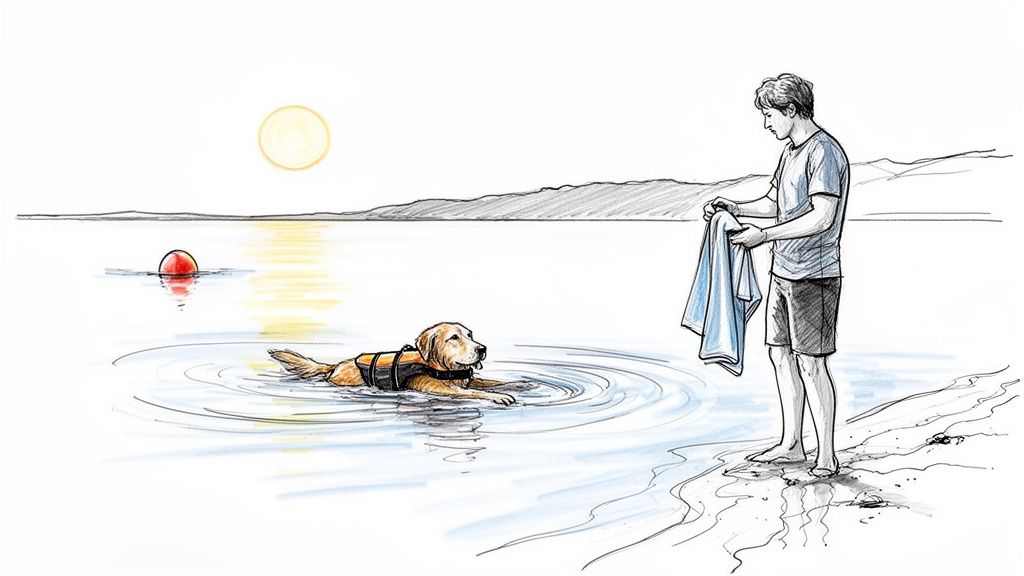
Swimming and water play are fantastic low-impact, fun activities to do with your dog, offering a full-body workout without stressing joints. Ideal for dogs of all ages, this activity is particularly beneficial for seniors, dogs with arthritis, or those recovering from an injury. From a simple game of fetch at the lake's edge to structured swimming lessons, water-based exercise builds muscle, improves cardiovascular health, and offers unique sensory enrichment.
Why It Works
The natural buoyancy of water supports your dog's body, reducing the impact on their skeletal system while the resistance of the water provides an excellent workout. This makes it a safe and effective way to burn energy, maintain a healthy weight, and cool down on hot summer days. Water activities engage different muscle groups than running or walking, offering a well-rounded fitness routine that keeps your dog physically and mentally stimulated.
Pro Tip: Not all dogs are natural swimmers. Always use a well-fitting canine life jacket, especially for inexperienced swimmers or brachycephalic (flat-faced) breeds, to ensure safety and build confidence in the water.
Getting Started
To make your dog's water adventures successful and safe, follow these tips:
- Introduce Water Slowly: Start in shallow water where your dog can stand comfortably. Use toys and praise to create a positive association.
- Prioritize Safety: Always check water for safety, avoiding strong currents or potential hazards. After swimming, gently dry your dog's ears to prevent infections and rinse their coat with fresh water.
- Keep it Fun: Turn exercise into a game with floating fetch toys. A positive, playful approach encourages even hesitant dogs to enjoy the water.
8. Training-Based Mental Enrichment Sessions
Combining mental stimulation with physical activity is a powerful way to engage your dog, and structured training is one of the most rewarding fun activities to do with your dog. These sessions go beyond basic "sit" and "stay," focusing on complex tricks, impulse control exercises, and specific behavioral work. This blend of cognitive challenges and skill-building creates a confident, well-behaved companion while providing exhausting mental work that can be more tiring than physical exercise alone.
Why It Works
Training-based enrichment targets your dog’s problem-solving abilities, strengthening their focus and your bond. When a dog learns a new command or masters a tricky impulse control game, it builds confidence and reduces anxiety. Professional trainers can tailor these sessions to your dog’s unique learning style and address specific behavioral needs, from leash reactivity to resource guarding, turning challenges into positive learning opportunities.
Pro Tip: End every training session on a high note with a command your dog knows and loves. This positive reinforcement ensures they associate training with success and enjoyment, keeping them eager for the next session.
Getting Started
To make your training sessions effective and enjoyable, follow these tips:
- Keep it Short: Start with focused sessions of just 10-15 minutes daily to keep your dog engaged without causing frustration.
- Use High-Value Rewards: Motivation is key. For effective training-based mental enrichment sessions, selecting the right high-value rewards is crucial, so consider a guide on the best dog treats for training success.
- Set Clear Goals: Focus on one or two new behaviors at a time. Documenting progress with videos can help you celebrate small wins and maintain enthusiasm.
9. Group Play Sessions and Dog Socialization Classes
For dogs that thrive on canine companionship, structured group play is one of the most enriching and fun activities to do with your dog. These professionally supervised sessions in safe, controlled environments allow dogs to engage in natural behaviors, build social confidence, and burn off energy with their peers. This is an excellent outlet for social breeds and helps teach appropriate canine communication skills.
Why It Works
Well-managed group play provides crucial mental and physical stimulation that solo activities cannot. Under professional supervision, dogs learn to read social cues and engage in polite play, which prevents the development of fear or reactivity. These sessions help reduce boredom-related behaviors at home and are fantastic for building a well-rounded, confident companion.
Pro Tip: Always observe a playgroup before joining. Look for a good staff-to-dog ratio, proactive supervision that redirects overly rough play, and dogs that seem relaxed and happy, not stressed or overwhelmed.
Getting Started
To ensure a positive socialization experience, follow these guidelines:
- Vet First: Ensure your dog's vaccinations are up-to-date before attending any group event.
- Watch for Stress: Learn to recognize your dog's stress signals, like a tucked tail, excessive lip licking, or yawning, and be ready to leave if they seem uncomfortable.
- Start Small: Begin with short sessions in smaller, well-matched groups to build your dog’s confidence gradually.
While group play is great, some dogs prefer one-on-one attention. For those that thrive on individual exercise, consider our specialized dog running services or scenic dog hiking adventures that cater to their unique needs.
10. Outdoor Urban Adventures and Environmental Exploration
Transforming a simple city walk into a sensory-rich journey is one of the most enriching and fun activities to do with your dog. Outdoor urban adventures focus on guided exploration of dog-friendly cityscapes, from bustling brewery patios to serene greenways. These outings provide crucial environmental enrichment, helping your dog build confidence and adaptability in varied settings. It's an excellent way to socialize your dog in a controlled, leashed environment, teaching them to remain calm amidst new sights, sounds, and smells.
Why It Works
Urban exploration mentally stimulates your dog by exposing them to diverse environments, which helps prevent boredom and reduces anxiety. Navigating different surfaces, hearing new sounds, and meeting people and other dogs in a structured way builds a resilient, well-adjusted companion. These adventures are perfect for teaching and reinforcing calm public behavior, making your dog a welcome guest wherever you go, from Washington Park to the South Platte River Greenway.
Pro Tip: Always research venue policies online or call ahead to confirm they are dog-friendly before you go. This avoids disappointment and ensures a stress-free outing for both you and your pup.
Getting Started
To make your urban adventure a success, follow these steps:
- Start Small: Begin with short visits to less crowded spots, like a quiet park or an outdoor market during off-peak hours, to build positive associations.
- Gear Up: Use a front-clip harness for better control in potentially crowded areas and always bring a portable water bowl, high-value treats, and waste bags.
- Practice Calmness: Reward your dog with treats for calm, neutral behavior around new stimuli. This reinforces that new experiences are safe and positive.
Top 10 Dog Activities Comparison
| Activity | 🔄 Implementation Complexity | ⚡ Resource Requirements | 📊 Expected Outcomes | 💡 Ideal Use Cases | ⭐ Key Advantages |
|---|---|---|---|---|---|
| Professional Dog Running Services | Medium–High: temperament assessments and trained handlers required | High: trained runners, scheduling, monitoring equipment; weather-dependent | High cardio fitness, reduced excess energy, measurable progress | High-energy or athletic breeds; busy owners needing regular aerobic exercise | Reliable, safe sustained exercise; professional oversight; time-saving |
| Guided Trail Hiking with Dogs | Medium: trail planning, group management, wildlife awareness | Medium–High: trained guides, travel to trails, appropriate gear | Improved conditioning, mental enrichment, exposure to varied terrain | Dogs that enjoy nature; owners wanting mental + physical stimulation | Varied terrain conditioning; strong sensory enrichment; scenic experiences |
| Interactive Fetch and Retrieval Games | Low–Medium: requires structure and recall training | Low–Medium: toys, safe enclosed space or long lead | Intense short-term cardio, improved recall and confidence | Retrievers/high-drive dogs; short high-intensity sessions | Fast, high-intensity workout; great for training recall and bonding |
| Obstacle Course and Agility Training | High: progressive training, skilled instruction needed | High: space, equipment, professional coaches | Enhanced coordination, mental challenge, improved handler communication | Dogs pursuing sport or advanced fitness; motivated handlers | Exceptional mental + physical engagement; competitive pathway |
| Neighborhood Walking Tours with Socialization | Low: routine routes and basic supervision | Low: handler time, leashes, route knowledge | Moderate exercise, improved leash manners, urban desensitization | Owners seeking regular exercise and social exposure | Flexible scheduling; builds street manners and community exposure |
| Scent Work and Nose Games | Low–Medium: planning hides and progressive difficulty | Low: treats/toys, puzzle props, small search areas | High mental stimulation with low physical strain; confidence gains | All ages, physical limitations, busy owners seeking enrichment | Economical, adaptable, tires dogs mentally in short sessions |
| Swimming and Water-Based Exercise | Medium: safety protocols and gradual introduction | Medium–High: access to water facilities, life vests, supervision | Low-impact cardio, muscle strengthening, joint-safe conditioning | Senior, injured, overweight dogs or water-loving breeds | Excellent low-impact conditioning; therapeutic benefits |
| Training-Based Mental Enrichment Sessions | Medium–High: individualized plans and handler consistency | Medium: trainer time, rewards, sometimes equipment | Behavioral improvements, mental exhaustion, stronger obedience | Dogs with behavioral goals or owners wanting skills training | Targeted behavior change; builds long-term safety and reliability |
| Group Play Sessions and Dog Socialization Classes | Medium: careful matching and professional supervision | Medium: safe space, trained facilitators, vaccination checks | Social confidence, improved play skills, physical activity | Dogs needing social skills or confidence-building | Real canine social learning; community and supervised play |
| Outdoor Urban Adventures & Environmental Exploration | Low–Medium: venue research and crowd management | Low–Medium: route planning, handler supervision, supplies | Improved adaptability, reduced reactivity, novel stimulation | Owners wanting lifestyle outings with dogs in public places | High novelty enrichment; integrates dogs into owner activities |
Integrating Adventure into Your Dog's Routine
Embarking on new adventures with your canine companion is more than just a way to pass the time; it's a foundational element of building a resilient, joyful, and deeply bonded relationship. As we've explored, the spectrum of fun activities to do with your dog extends far beyond a simple walk around the block. The true key to a fulfilled pup lies in creating a routine that thoughtfully balances physical exertion, mental stimulation, and enriching sensory experiences.
From the high-octane cardio of a structured run to the focused problem-solving of scent work, each activity serves a unique purpose. A neighborhood walking tour sharpens social skills, while a guided hike engages their natural instincts. This variety is not just for entertainment; it is crucial for preventing boredom-related behaviors, building confidence in timid dogs, and providing a healthy outlet for high-energy breeds. The goal is to curate a "wellness portfolio" for your dog, where each activity contributes to their overall health and happiness.
The Power of a Balanced Approach
The most impactful takeaway is the principle of integration. You don't need to do everything at once, but consciously blending different types of engagement will yield the best results.
- Physical Vigor: Activities like running, swimming, and agility training meet your dog's need for robust physical exercise, which is essential for cardiovascular health and maintaining a healthy weight.
- Mental Acuity: Scent games, training sessions, and puzzle toys challenge their cognitive abilities. This mental workout is just as tiring as a physical one and is critical for a calm, well-behaved dog.
- Sensory Enrichment: Exploring new trails, parks, and urban environments provides a wealth of new smells, sights, and sounds. This sensory input is vital for their mental well-being and prevents a stale, under-stimulated daily life.
By recognizing that your dog has these distinct needs, you can move from simply exercising them to truly enriching their world. The difference is profound, transforming a hyperactive or anxious dog into a content and stable companion.
Making It Happen in a Busy World
For many Denver pet parents, the primary obstacle isn't a lack of desire but a lack of time. Juggling professional commitments with a dog's extensive needs can be a significant challenge. This is where leveraging professional support becomes a strategic advantage, ensuring your dog receives consistent, high-quality engagement even when your schedule is packed.
Services designed by experts provide more than just exercise; they offer structured, safe, and purposeful adventures. With vetted handlers who understand canine behavior and local geography, you can rest assured that your dog is not only having fun but is also in capable hands. This partnership empowers you to provide the best for your dog without sacrificing your own well-being or professional responsibilities. It's about creating a support system that benefits everyone, ensuring your dog thrives every single day.
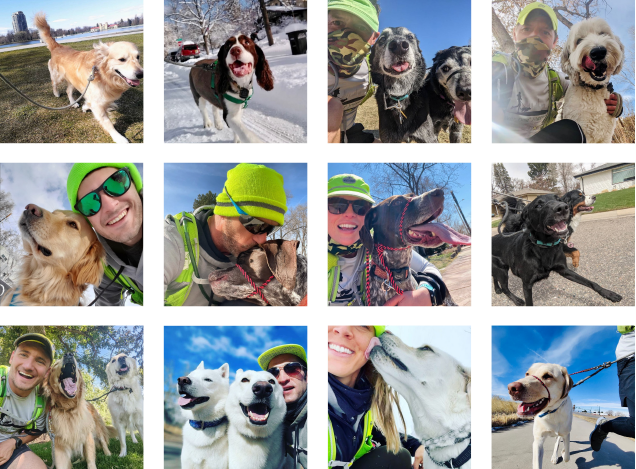
Ready to integrate expert-led adventures into your dog’s routine? The professional team at Denver Dog specializes in providing safe, structured, and enriching running and hiking excursions on local trails. Visit Denver Dog to learn how our dedicated joggers and hikers can help you implement these fun activities and give your dog the consistent, joyful exercise they deserve.
The Run Down