Your dog is home. You're in meetings, traffic, school pickup, or trying to finish one more task before dinner. Meanwhile, your dog still needs movement, bathroom breaks, structure, and some kind of outlet for all that energy.
That's the spot a lot of Denver pet parents are in. Professional dog walking often starts as a scheduling fix, but the right walker becomes much more than that. They become part of your dog's routine, part of your safety plan, and part of how your dog stays balanced during the workweek.
Your Denver Dog Deserves the Best
In a city like Denver, dogs don't just need a quick trip outside. Many need a real outlet. That's especially true for young dogs, working breeds, athletic mixes, and recently adopted dogs who are still settling into a routine.
If you're trying to find a dog walker, you're not alone, and you're not “failing” your dog by needing help. Across multiple studies, an average of 41% of owners do not regularly walk their dogs , and 57% report skipping walks each week , according to this dog walking statistics summary. That gap creates a real need for dependable support, not just occasional convenience.
Why this matters in Denver
Denver dogs often live active lives. They hike on weekends, go to breweries, join patio lunches, and tag along for mountain trips. That lifestyle sounds great, but it also creates a mismatch during the week when owners are busy and the dog's energy level doesn't suddenly disappear.
A bored dog usually doesn't stay politely bored. You'll often see it show up as:
- Pacing at home
- Excessive barking at windows or hallway noise
- Pulling hard on evening walks
- Chewing, scratching, or shredding items
- Restlessness that looks like “bad behavior” but is really unmet need
That doesn't mean every dog needs a marathon. It means most dogs need consistency, and consistency is hard to maintain without a plan.
Practical rule: The right dog walker solves a routine problem first. Exercise is the visible service, but reliability is what actually changes your week.
What a good walker really provides
A strong dog walker does three jobs at once. They give your dog movement, they reduce pressure on your schedule, and they help maintain a stable weekday rhythm.
That's especially useful in neighborhoods across the metro where owners commute or split time between home and office. Whether you live near parks in Lakewood, denser blocks in central Denver, or quieter residential streets in Littleton, the need is usually the same. Your dog needs a person who shows up consistently and handles them well.
The rest of the decision comes down to fit. Not just “Who's available?” but “Who can handle my dog safely, communicate clearly, and deliver the type of outing my dog needs?”
Where to Begin Your Search in Denver
Pet owners usually start in one of two places. They either open a gig app and scroll, or they search for local professional companies. Both can produce workable options, but they aren't the same thing operationally.

Gig app or local company
A gig app gives you speed and volume. You can usually browse profiles quickly, compare availability, and book fast. That can help when you need immediate coverage.
A local company usually gives you more structure around training, service design, communication, and backup coverage. That matters when your dog has specific handling needs, when your schedule is fixed, or when you want a long-term routine instead of one-off help.
Here's the trade-off in plain terms:
| Option | Usually works well for | Main risk |
|---|---|---|
| Gig apps | Last-minute needs, simpler dogs, owners comfortable doing more screening themselves | Quality can vary a lot from person to person |
| Local companies | Recurring weekday service, dogs with specific exercise needs, owners wanting a defined process | You may need to join a schedule that's less instant |
Use a screening funnel
The most reliable approach isn't hiring the first person with a nice profile photo. Industry guidance recommends a multi-step screening funnel : start with referrals, shortlist walkers with a professional presence and verifiable experience, then require a meet-and-greet and trial walk, as outlined in this guide to choosing a dog walker.
That screening funnel works well in Denver because neighborhoods and dog lifestyles vary so much. A walker who's fine for a mellow senior in Englewood may not be the right fit for a high-drive adolescent dog in Arvada who needs structured handling every single outing.
Start your shortlist from places that already know dogs:
- Your veterinarian can often tell you who clients trust repeatedly.
- A trainer may know which walkers handle reactive, anxious, or high-energy dogs well.
- Your groomer or daycare staff usually hear which services are reliable and which ones create problems.
- Experienced dog owners in your area can tell you how a company communicates and whether they show up.
For owners comparing neighborhood coverage, it also helps to check whether a company consistently serves your area. If you want a recurring weekday option in Arvada, Denver, Englewood, Golden, Lakewood, Littleton, or Wheat Ridge, review the Denver metro service area before you spend time on a consultation.
Match the Service to Your Dog's Energy Level
A lot of bad hiring decisions happen because owners focus on the person and forget to define the job. Not every dog needs the same type of outing, and not every “walk” should be a walk in the casual sense.

The service has to fit the dog
A senior dog with arthritis, a nervous rescue, and a young cattle dog mix all need different things. If you hire the same style of walker for all three, one dog will be underworked, another will be overfaced, and the third may come home more stressed than before.
A better way to think about it is to match the outing to the dog's daily profile.
| Dog profile | Usually needs | Poor fit looks like |
|---|---|---|
| Low energy or senior dog | Calm neighborhood relief walk, predictable pace, patient handling | Long, overstimulating route with too much hustle |
| Moderate energy dog | Structured walk with purpose and steady movement | Wandering stop-and-chat outing that doesn't provide much exercise |
| High energy dog | Faster-paced run, skillful leash handling, or trail-focused outing | Short potty break dressed up as “exercise” |
Denver-specific examples
This matters even more in the Denver area because the environment changes the outing. A dog who does fine on sidewalks in Wheat Ridge might light up on foothill terrain near Golden. A dog who stays settled on a quiet residential route may get overstimulated near busier park paths in central Denver.
For many dogs, the core question isn't “Do I need to find a dog walker?” It's “Does my dog need a walker, a runner, or a hiker?”
A high-energy husky, vizsla, or shepherd mix often benefits from a structured run instead of a casual sniff-heavy stroll. An adventurous dog with good footing and confidence may do better on a guided hike than a repetitive block loop. A senior basset or bulldog may need the opposite: a shorter outing with fewer surprises and careful pacing.
A one-size-fits-all walk usually serves the schedule, not the dog.
If you're unsure what your dog needs, a useful starting point is this dog exercise calculator for activity planning. It helps owners think beyond breed stereotypes and focus on the dog in front of them.
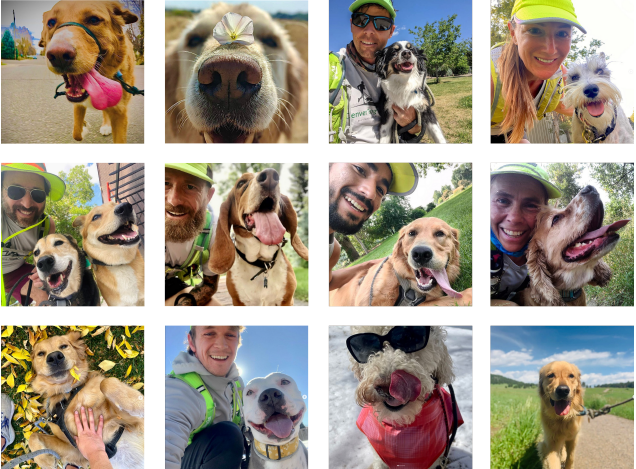
One local option built around that service matching is Denver Dog, which provides on-leash walking, running, and hiking programs for dogs in the Denver metro. That kind of menu matters because it gives owners a better chance of choosing the right format instead of forcing every dog into the same template.
The Ultimate Vetting Checklist for Peace of Mind
Once you have a shortlist, the next step is evaluating your options carefully. Many owners get distracted by branding at this stage and miss the operational questions that truly matter.

What to verify before you hire
When vetting a walker, confirm they have pet first aid and CPR training , can explain their safety protocols , and have experience with your dog's profile, such as energy level or anxiety. Direct observation during a trial walk is the strongest benchmark for handling skill, according to this operational dog walking guide.
That sounds simple, but most owners still ask softer questions than they should. Ask direct ones.
-
Training and handling
Ask what formal pet first aid or CPR preparation they have. Then ask how they handle leash pressure, reactivity, heat, sudden fear, and dog-to-dog encounters. -
Dog load and format
Ask how many dogs they handle at once and whether your dog will be walked solo or with others. If your dog is fearful, reactive, elderly, or training-sensitive, this answer matters immediately. -
Transportation and route management
If dogs are transported, ask how they're secured and how vehicles are monitored. You want a clear answer, not a vague reassurance. -
Staff screening
If it's a company, ask how they hire and train walkers. A business is only as safe as the standards it applies before a person ever touches your leash.
What a serious operation sounds like
You don't need perfect jargon. You need specifics. A strong answer sounds like a process. A weak answer sounds like personality.
Listen for details such as:
- How they introduce themselves to a new dog
- How they enter and exit the home
- What happens if weather shifts suddenly
- How they report concerns after a walk
- What they do if your dog refuses to move, panics, or fixates
Non-negotiable: If the walker can't clearly describe what they do in a minor problem, don't expect them to handle a major one well.
In Denver, practical safety can also include road travel and trail logistics. If a company transports dogs to hiking locations, ask about driver standards, in-vehicle monitoring, and refresher training. Those aren't luxury details. They're part of the risk picture.
Mastering the Meet-and-Greet and Trial Walk
This is the point where profiles, promises, and polished websites stop mattering. The meet-and-greet and trial walk show you what the service looks like with your dog.

Questions worth asking face to face
Skip generic questions like “Do you love dogs?” That answer tells you nothing. Ask questions that force the walker to reveal judgment.
A few that work well:
-
What type of dog is your favorite to work with, and why?
This shows whether they understand dog temperament or only talk in generalities. -
What would make you change the plan during a walk?
Good walkers adapt to weather, arousal level, surface conditions, or a dog's physical state. -
How do you handle a dog that freezes, pulls hard, or gets overstimulated?
Listen for calm, mechanical answers. Not frustration, force, or “I just make them do it.” -
What kind of updates do you send after service?
You want clear communication, especially in the first few weeks. -
What dogs are not a fit for your service?
Professionals know their limits. That's a good sign.
If you want to streamline that first step with a structured intake, use a trial and intake form for new dog walking clients before the meeting. It helps surface details owners often forget to mention, like door behavior, leash habits, and specific triggers.
What to watch during the trial walk
The trial walk matters more than the interview. You're looking for timing, body language, and control under normal conditions.
Watch for these details:
-
Leash handling
The walker should keep the leash organized, not tangled, jerky, or constantly tight. -
Attention to the dog
They should notice when your dog is scanning, hesitating, escalating, or checking in. -
Pace selection
The outing should match your dog, not the walker's habit. -
Transitions
Doorways, elevators, gates, curbs, and loading moments often reveal experience fast. -
Communication with you
A capable walker can explain what they're noticing without sounding defensive or rehearsed.
This short video gives a useful visual frame for the kind of calm, practical handling owners should look for during a first outing:
If the walker looks less organized when the leash is in their hand than they did online, trust what you saw in person.
Making the Hire and Setting Up for Success
Once you've chosen someone, don't treat the job as finished. The first few weeks shape the relationship more than the hiring call did.
Lock in the practical details
Good service gets stronger when expectations are explicit. Put the basics in writing and make sure both sides are working from the same plan.
That includes:
-
Schedule clarity
Confirm recurring days, arrival windows, holiday expectations, and cancellation policies. -
Home access
Decide how keys, codes, alarms, building access, and lockbox instructions will work. -
Emergency contacts
Provide your vet, backup contact, and any care instructions that matter if they can't reach you quickly. -
Dog-specific notes
Include feeding rules, gear preferences, known triggers, medication notes, and post-walk routine.
Define what success looks like
A lot of owners say they want a “good walk,” but that's too vague. Be more specific. Tell the walker whether success means a bathroom break, a calmer dog by late afternoon, improved leash manners, a midweek energy outlet, or controlled exposure to the outside world.
That's also the point to discuss price without guessing. Denver service costs vary based on format, travel, and whether you're booking a standard walk, a more athletic run, or a trail-based outing. If you want a grounded overview of what owners typically compare, read this Denver dog walking price guide.
Give the relationship a real ramp-up period
The first walk rarely tells the whole story. Dogs need repetition before their normal pattern shows up. Anxious dogs often act subdued at first. Excited dogs sometimes become more opinionated once they realize this new person is part of the routine.
Check in early on a few specific points:
- Is my dog settling faster or getting more wound up?
- Are transitions into and out of the home smooth?
- Does the update tell me what happened, not just that the walk happened?
- Would I trust this person to make a judgment call if something changed suddenly?
If the answer is yes, you've likely found the right fit. If not, fix the mismatch early. The wrong walker usually doesn't become the right one through wishful thinking.
If you want weekday help from a Denver-based team focused on on-leash walking, running, and hiking, Denver Dog is one option to consider. The service covers several Denver metro communities and is built for owners who want structured exercise, clear communication, and careful handling for dogs with different energy levels.
The Run Down