You're probably staring at a calendar that's already too full. The dog still has energy at 7 a.m., your commute starts before lunch, and the usual walk around the block doesn't come close to taking the edge off. That's the exact gap dog running services Denver fills, but only if the service, the dog, and the schedule fit each other.
What Dog Running Services in Denver Actually Mean
A dog running service is not just a faster walk with a fancier name. It's a structured aerobic session for dogs that need more than a neighborhood loop, usually on leash, usually with a handler who is managing pace, route, weather, and the dog's ability to keep working safely. In a metro as spread out as Denver, that matters because a lot of owners can't come home midday to burn off a young, athletic dog's energy.
A training plan works best when customized. You wouldn't send every person in a gym class to sprint the same distance, and a good dog-running provider shouldn't do that either. Denver Dog's running service is built around distance bands, with options of 2 to 2.5 miles , 3.5 to 4 miles , or 6 to 6.5 miles , and it states an average pace of 8 to 12 minutes per mile depending on the dog, route, and weather Denver Dog runner service.
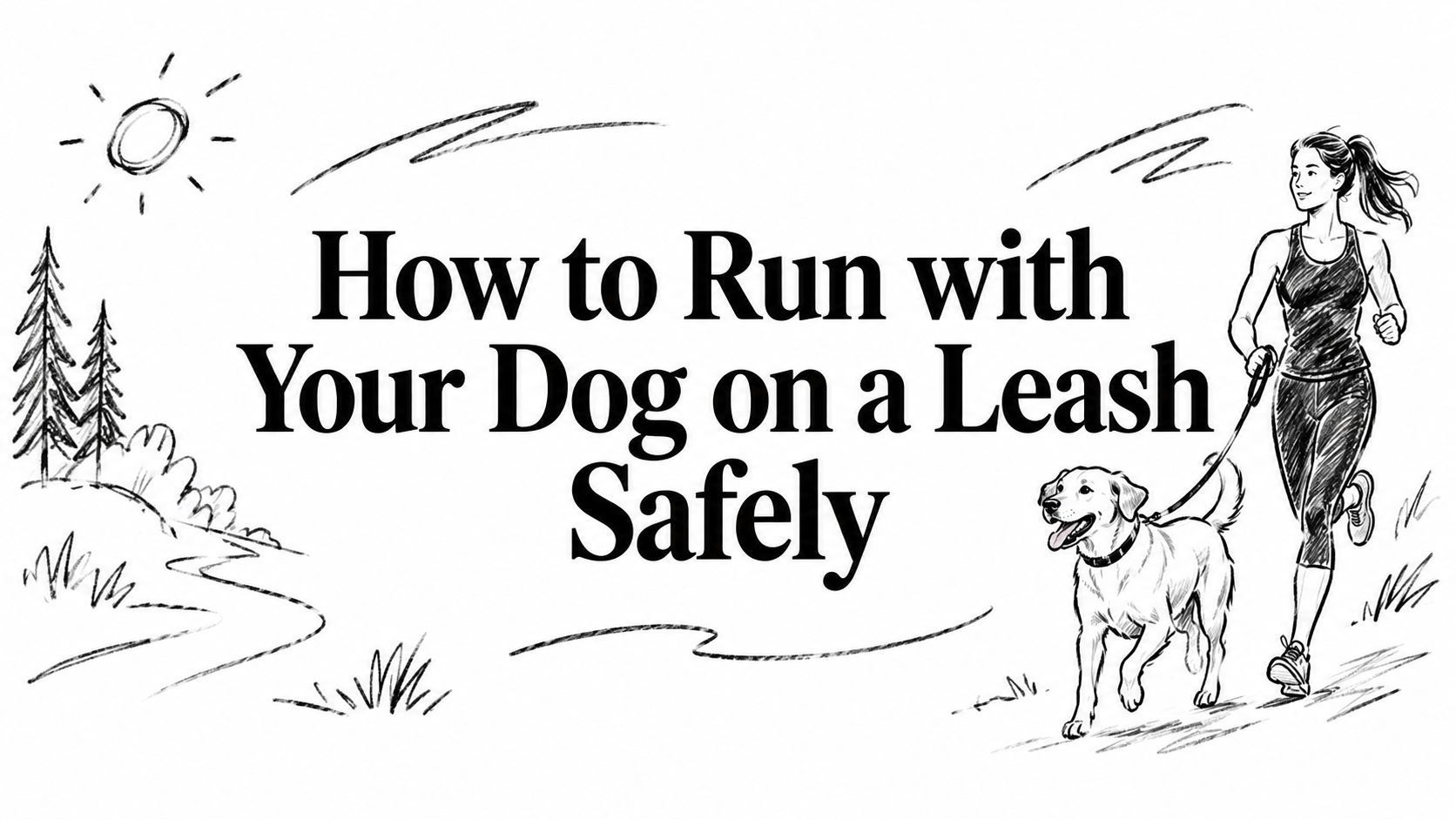
That distance-based structure is the key distinction. A walk is about movement and potty relief, while a run is about real cardiovascular work , rhythm, and fatigue that lasts longer than a quick lap around the block. For owners of high-energy breeds, new adopters who need a routine, or professionals who are gone during the day, that difference is the whole point.

Why distance matters more than duration
A thirty-minute outing can mean two very different things. A cautious one-mile wander and a focused three-mile run are not interchangeable, even if they take roughly the same time on the calendar. The distance band tells you more about the workout than the clock does.
That's why a strong provider talks about how far the dog will go, not just how long the appointment lasts. It also explains why route choices and pace control matter so much in Denver, where pavement, altitude, and temperature can change how hard a run feels for the dog.
Practical rule: if a provider can't explain the run in miles, pace, and weather adjustments, you're probably looking at a walk service wearing running language.
Which Dogs Are Good Candidates for Running in Denver
The first question isn't “How much does it cost?” It's “Can my dog handle this kind of work?” A dog that loves motion still may not be a good running candidate if age, joints, breathing, or conditioning make the pace too demanding.
Start with age and body type. Young, athletic dogs often want more structured movement, while puppies with open growth plates, senior dogs, and dogs with known heart or joint issues usually need modified activity instead of a steady run. Flat-faced breeds need extra caution too, because breathing can become the limiting factor long before the muscles are tired.
Use a simple readiness check
A good self-screening rule is to move from walk , to fast walk , to run only if each previous level looks comfortable. If your dog still pulls hard on the leash, gets frantic on pavement, coughs after exertion, or slows sharply in warm weather, a structured run may be too much right now. Denver's elevation adds another layer of demand, and summer heat makes the margin for error even smaller.
For some dogs, a sniff-heavy walk or a guided hike is the smarter choice. That's not a downgrade, it's matching the activity to the dog's body and brain. Independent veterinary and welfare guidance consistently puts age, breed, fitness, and medical condition ahead of the owner's wish for a harder workout, and that's the right lens to use before booking.
If you're unsure, ask yourself one blunt question. Would this dog enjoy a steady aerobic effort, or would they get more value from shorter bursts, sniff breaks, and terrain changes?
Running, Fast Walking, or Hiking Which Program Fits Your Dog
Different dogs need different kinds of movement, and Denver gives you more than one sensible option. A structured run works well for dogs that thrive on rhythm and sustained effort, while a faster walk can be enough for older dogs that still like to move without being pushed. Hiking is often the best fit for dogs that want scent work, terrain changes, and more mental engagement.

A simple way to think about it is this. Running is for high-energy, athletic dogs that need a real workout. Fast-paced walking suits dogs that are mobile but not built for sustained speed. On-leash hiking fits adventurous dogs and scent-driven dogs that do better with stimulation from trail environments than from repetitive pavement.
The hiking option is especially useful for dogs that bark on runs, pull so hard they can't settle into a rhythm, or get overstimulated by city sidewalks. If you're evaluating a trail-oriented provider, it can help to look at route examples and equipment choices too, including gear like a premium vinyl outdoor decal that signals a hiking-first mindset without promising more than the service can deliver. For a practical intro to starting the running side specifically, Denver Dog also publishes a guide for beginning to run with your dog.
What a Typical Denver Dog Running Session Looks Like
A typical weekday session starts with a pickup window, not a drop-in whenever you feel like it. Denver Dog's running service operates Monday through Friday, with pick-up and service windows from 8 a.m. to 2 p.m. , so the appointment has a real operating rhythm built around business hours and daylight Denver Dog FAQs.
The handoff is usually simple. The handler arrives, clips in the leash, checks the dog's gear, and heads out on a neighborhood route or nearby trail. From there, the pace is adjusted to the dog's ability and the weather, which is why the service feels more like coached exercise than a casual stroll.
What owners should have ready
- Fresh water: keep a bowl filled and easy to find when the dog gets home.
- Proper harness: use gear that fits securely and doesn't twist under movement.
- Visible ID tags: make sure contact information is current.
- Clear access instructions: if pickup timing matters, don't leave the handler guessing.
Weather changes the session too. Summer heat calls for a lighter workload and tighter pacing, while winter footing can change route choice and stability. The best providers make those adjustments without making a big show of it, because the dog's safety comes first.
A good post-run note should tell you how the dog moved, not just that the dog “did great.”
Pricing and Scheduling Realities in the Denver Market
Denver owners often start by comparing prices, but the better question is what you're paying for. In a mature market, you're buying reliability, route judgment, handler judgment, and scheduling certainty, not just miles on the ground. That's part of why the Denver starting price for dog walking sits at $19.94 per hour , which Care.com lists as 9% higher than the Colorado average of $18.27 and 22% higher than the U.S. average of $16.37 as of November 2025 Care.com pricing context.
Denver Dog's running rates are more specific than a general walking quote. For as-needed service, the 2 to 2.5 mile tier is $53 , the 3.5 to 4 mile tier is $66 , and the 6 to 6.5 mile tier is $87 , with a second dog adding $11 to $13 depending on the distance tier Denver Dog running pricing. For weekly recurring service, those same tiers drop to $43 , $56 , and $77 .
| Denver Dog Running Service Pricing at a Glance | As-needed price | Weekly recurring price | Second dog add-on |
|---|---|---|---|
| 2 to 2.5 miles | $53 | $43 | $11 to $13 |
| 3.5 to 4 miles | $66 | $56 | $11 to $13 |
| 6 to 6.5 miles | $87 | $77 | $11 to $13 |
If you want to compare this kind of rate structure with a broader service platform, you can also compare Samba pricing to see how different booking models present recurring and one-off care. The scheduling takeaway is more important than the line item: many running services, including Denver Dog, are Monday through Friday only , so weekend or evening coverage requires a different provider fit.
Why the Best Provider Is the One That Fits Your Calendar
A high rating doesn't help if the service can't show up when your week needs it. That's the key filter for a lot of Denver owners, especially people with unpredictable work hours, new adopters trying to build routine, and households with dogs that need weekday outlet sessions before they turn restless at home.
Denver Dog is a good example of why schedule fit matters. Its running service is weekday-based, and the company has built a business around business hours, while other local operators advertise broader coverage, including 7 days a week and longer daily windows. Neither model is automatically better, but one of them will fit your calendar much more cleanly.

Ask yourself the real question
Don't ask, “Who is the best dog runner in Denver?” Ask, “Who is the best for my dog and my week?” That question forces you to weigh availability , service area , communication style , and safety protocol instead of falling for the cleanest website or the cheapest intro offer.
The right provider can still be the wrong fit if the calendar doesn't line up. A service that runs only Monday through Friday may be perfect for a commuter with a predictable routine and a poor match for someone who works weekends or travels often.
Safety Standards, Red Flags, and Questions to Ask Any Provider
Safety is where the conversation should get specific fast. A trustworthy provider should be able to explain how they handle the vehicle phase, the leash phase, and the dog's fitness needs without sounding vague or defensive. Denver Dog publishes a notably technical model here, requiring a 7-year clean driving record , using real-time in-vehicle monitoring , and expecting a safety score above 935 out of 1000 to keep a driver in position Denver Dog home page.
That kind of detail matters because pickup and drop-off are part of the service, not an afterthought. It reduces uncertainty before the dog even reaches the trail or route, which is especially important for energetic dogs or dogs that get stressed in transit.
Red flags that should slow you down
- Vague insurance answers: if they can't explain coverage clearly, keep looking.
- Off-leash promises on city streets: that's not a running service, that's a risk.
- No fitness screening: a provider who never asks about age, joints, heat tolerance, or breed limits isn't doing enough.
- Unclear communication: if you can't tell how route notes or updates work, you'll feel that later.
For leash hardware, it's smart to review the best dog leashes for runners before you assume any leash will do. If you want to see a local service area map while you compare options, check Denver Dog's professional guidelines for safe Denver service and its service area coverage for Arvada, Denver, Englewood, Golden, Lakewood, Littleton, and Wheat Ridge.
Ask these five questions on the first call: How do you screen dogs for running? What happens in hot weather? How do you handle pickup and drop-off? What update do I get after the session? What part of my neighborhood or suburb do you actually cover?
Choosing the Right Dog Running Service in Denver
The right choice comes down to three filters. First, dog suitability , because not every dog should run the same way. Second, schedule fit , because a weekday-only service can be perfect for one household and useless for another. Third, safety standards , because a handler who can't explain the basics isn't worth the risk.
That's why price alone never tells the whole story. Running versus hiking is also a real trade-off, and so is weekday-only versus 7-day coverage. A service that looks expensive on paper may be a better value if it fits your dog's body, your calendar, and your expectations for communication.
If you're calling around, keep the conversation short and practical. Ask whether your dog is a candidate, what distance bands they use, how weather changes the plan, and what your update will look like after the session. If the answers are clear, you're probably talking to someone who understands the work, not just the marketing.
Denver Dog has been building that kind of local routine since 2010 , and its history of more than 135,000 sessions shows there's steady demand for recurring weekday exercise, structured fitness, and on-leash outdoor care in this market Zoom Room Denver snapshot.
If your dog needs structured weekday exercise, Denver Dog offers running, walking, and hiking options built around real handling standards and Denver-specific routines. Take a look at Denver Dog if you want to compare service fit, check coverage, and see whether a trial run makes sense for your dog's energy level and your schedule.
The Run Down