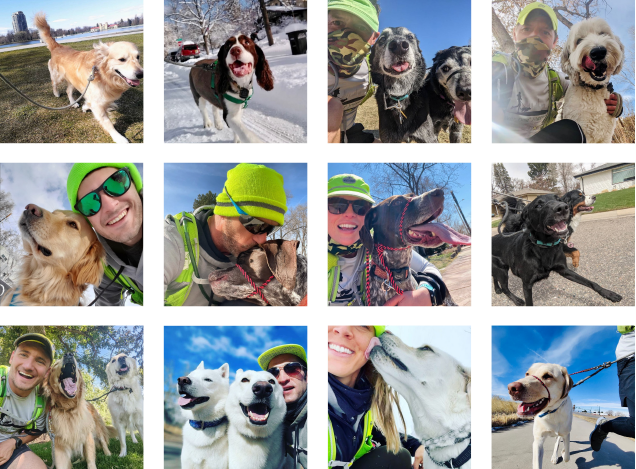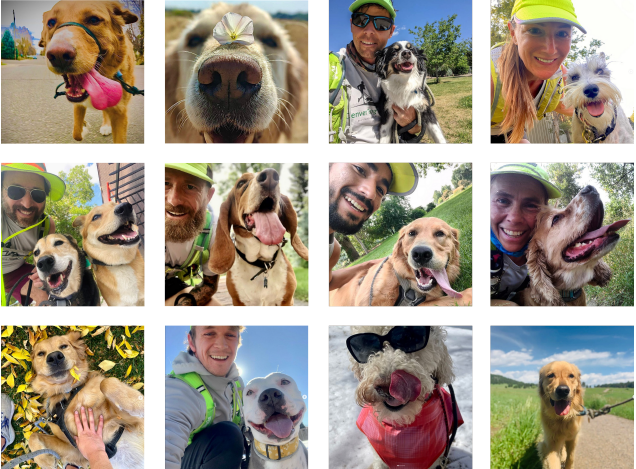
You've got a dog pacing by the door at 7 a.m., you've got a meeting in an hour, and a quick potty break isn't going to touch that nervous, high-drive energy. That's the moment when dog running services stop looking like a luxury and start looking like a practical fix, especially in Denver where weather, sidewalks, and trail access all change the game.
Professional dog running isn't a fancy walk with better branding. It's structured, on-leash exercise delivered by a handler who knows how to keep pace, read fatigue, and keep the dog safe while making the outing count as cardio. The market is clearly real, too, with the U.S. dog walking services industry projected at $1.3 billion in 2025 and 35,349 businesses operating in the sector, according to IBISWorld's industry overview. That scale matters because it tells you this isn't a niche indulgence, it's part of a larger pet-care economy.

What Dog Running Services Actually Are
A real dog running service is built around one simple idea, the dog needs purposeful aerobic work , not just a bathroom trip and a sniff around the block. The handler shows up, clips in, and delivers a controlled outing on leash that keeps the dog moving at a steady pace. That's different from casual walking because the whole point is to burn energy, not to linger.
The right kind of service solves a Denver problem
Denver owners usually ask the same three questions. Is this just a walker going faster? Is it safe for every dog? And where do trail hikes fit in? Those are the right questions, because the answer changes based on age, fitness, breed, and weather.
A good provider usually offers two broad formats. One is a neighborhood jog , which works well when the dog needs direct, efficient exercise on local streets or greenways. The other is a trail hike with more terrain variation, more sniffing, and a slower rhythm that still counts as real work. The difference is not cosmetic. It changes the dog's stress level, stamina use, and safety profile.
Practical rule: if the session doesn't change the dog's behavior at home, it probably wasn't enough exercise for that dog.
The market supports this kind of specialization. The U.S. pet-care economy has grown meaningfully, with the Census Bureau reporting that spending on pet care services doubled over the decade ending in 2017 and the Bureau of Labor Statistics finding pet care services revenue more than quadrupled from 2004 to 2021 , reaching $10.7 billion in that period, as summarized in the IBISWorld industry profile. The takeaway is simple, owners are paying for more than convenience now. They want exercise that fits the dog.
Benefits for Different Dog Types and Energy Levels
High-drive dogs usually need more than a longer leash and a faster human. They need structured movement that drains both physical energy and the mental pressure that builds when a dog is underworked. That's why dog running services make sense for many working breeds and adolescent dogs that are still figuring out how to live in a house without shredding it.
Who gets the biggest payoff
A Border Collie, Australian Shepherd, or Husky that's bouncing off the walls after a normal walk usually doesn't need “more attention.” It needs a real outlet. A steady run or uphill hike gives that dog a job, and a dog with a job is usually easier to live with. That's not a luxury, that's management.
For mid-energy family dogs, I'd be more selective. Some dogs do better with brisk walks, short jogs, or trail outings than with repeated hard running. A senior Lab on a gentle trail can come home loose and satisfied, while a frustrated adolescent cattle dog can turn into a demolition project if the exercise is too light. Matching the activity to the dog matters more than checking a box.
Use this test: if your dog is spent in under 20 minutes on normal walks, gets edgy indoors, and still has safe joints and heat tolerance, running may help. If heat, age, or injury are in play, it may be the wrong tool.
Who should be cautious or skip running
Puppies are not little adults. Their bodies are still developing, so hard running can be a bad bet before they're ready. Long-backed breeds and dogs with orthopedic risk need extra caution too, because the cost of pushing too hard can show up later as joint trouble or pain.
Heat sensitivity is another deal-breaker. Bulldogs, Pugs, and similar brachycephalic dogs aren't good candidates for aggressive aerobic work, especially in dry Colorado sun. The same goes for dogs coming off an injury or showing subtle mobility changes. If a dog has a recent strain, limps on stairs, or pants hard after mild activity, don't solve that with more mileage.
Hepper's pet-sitting data also points to the everyday nature of recurring care, with the average basic pet care visit lasting 29.6 minutes and drop-in care accounting for 57.25% of pet-sitting revenue in that market. That fits the reality of running and walking services: short, repeatable sessions are often the right scale. For more decision support, Denver owners can also look at Denver Dog's running leash guidance when they're trying to decide whether their gear and their dog are ready.
On-Leash Run Programs Versus Trail Hike Adventures
The choice between a neighborhood run and a trail hike comes down to what your dog needs, what your neighborhood can support, and how much management you want around weather and terrain. A run is efficient. A hike is more exploratory. Both can be the right answer, but they solve different problems.
Side-by-side comparison
| Criterion | On-Leash Run | Trail Hike |
|---|---|---|
| Pace | Faster, steady cardio | Slower, more varied movement |
| Terrain | Sidewalks, greenways, neighborhood loops | Front Range trails, dirt, elevation |
| Mental enrichment | Moderate | High, because of sniffing and exploration |
| Best fit | Athletic adolescents, working breeds, dogs with stamina | Senior dogs, reactive dogs, dogs that need controlled enrichment |
| Weather flexibility | Easier to shorten or reroute | More dependent on trail condition and season |
A neighborhood jog is the cleaner fit for dogs that need to blow off steam before you head to work. A trail hike is better when the dog needs more sensory variety and a lower-speed outing that still feels purposeful. If you want a broader context for what structured dog exercise can look like off-road, MaxiJournal's guide to biking with a dog is useful because it highlights the same basic issue, pace and control matter more than raw distance.
The better program is the one the dog can recover from. If the dog is young, athletic, and focused, jogging plus weekend hikes usually makes sense. If the dog is older, reactive, or easily overstimulated, I'd lean toward hikes or a mixed routine. Very young puppies should stay with short walks and controlled outings while joints finish developing.
Safety Standards and Handler Training That Actually Matter
You can separate a serious provider from a casual one. The job isn't just getting a dog tired. It's getting the dog home safe, calm, and intact. Denver Dog's public standards are a good reference point because they show what a structured service should care about, handler skill, vehicle safety, and route control.
What real training should look like
Experienced staff should be trained and retrained several times a year on canine handling, fitness, and welfare. That kind of cadence matters because dogs change with age, season, and stress, and handlers need current habits, not old instincts. If a provider can't tell you how often staff retrain, that's a red flag.
In-transit safety matters just as much. Denver Dog requires a seven-year clean driving record and uses advanced in-vehicle camera technology that tracks speeding, following distance, distraction, and drowsiness with real-time coaching. That's not fluff. A calmer, more focused driver means cleaner pickups, safer drop-offs, and less chaos for anxious dogs.
Route control and welfare controls
On-leash protocols should be strictly followed. So should water breaks, heat management, and route selection that matches the dog's condition that day. On Front Range trails, you also need a provider who thinks about rattlesnakes, slick rock, and sudden weather changes instead of treating the trail like a scenic shortcut.
A handler who talks clearly about heat, pacing, and emergency decisions is usually worth more than one who only talks about how fun the outing will be.
For owners comparing services, dog turf options from Modern Yard Landscapes can be a helpful reference if part of the decision is whether your dog also needs a safe home exercise zone. In practice, the question to ask any provider is straightforward, who controls the pace, who monitors the dog, and what happens when the weather turns?
How to Vet and Choose the Right Provider
A pretty website doesn't tell you much. A reliable dog running provider does. I'd vet them the same way I'd vet anyone handling my dog in traffic, heat, and motion, with direct questions and zero patience for vague answers.

The checklist I'd use
- Proof of commercial insurance. They should be able to explain coverage plainly, not dodge the question.
- Documented handler training. Ask how often staff retrain and what they cover.
- Written safety protocols. Heat, cancellations, emergencies, and route rules should be on paper.
- Dog-to-handler ratio. Focused work usually means 1:1 or 1:2, not a crowd.
- Client communication. You want route notes, photos, and honest feedback after the session.
- Reviews you can verify. Look for patterns, not just star ratings.
Denver Dog gives you a useful benchmark because it has delivered more than 135,000 sessions since 2010 and holds top Google ratings, which tells you consistency matters in this category. If a company can't match that kind of operational clarity, it's probably not ready for your dog. You can also compare any provider's promises with the realities of Denver Dog's local dog walking service details if you want a baseline for what organized care looks like.
The best move is to ask for a trial session before you commit. That matters even more for reactive dogs and seniors, because you need to see how the handler reads pace, leash pressure, and recovery, not just how they sound on the phone.
Denver Metro Routes, Trails, and Neighborhood Considerations
Denver isn't one giant service zone. It's a patchwork of street layouts, trail access, elevation changes, and weather quirks that affect how a dog should be exercised. If you live in Arvada, Denver, Englewood, Golden, Lakewood, Littleton, or Wheat Ridge , confirm coverage on the Denver Dog service area page before you plan anything regular.
Neighborhoods and trails don't ask for the same dog
Dense Denver and Lakewood blocks are usually better for on-leash jogs on sidewalks and greenways. Golden and foothill-adjacent areas open the door to trail outings, but they also demand more judgment around elevation, footing, and weather. Arvada and Wheat Ridge often sit in the middle, with suburban streets that can work well for efficient loops and nearby open-space options for dogs that are ready.
Englewood and Littleton tend to suit dogs that do well with quieter residential running and slower route building. That's useful if you've got a dog that doesn't need a trail adventure every time, just consistent movement and a calmer return home. If the dog isn't ready for elevation, don't force it onto a steeper trail just because it looks nicer.
Weather changes the session plan
Front Range weather changes the session, whether owners want it to or not. Summer heat pushes sessions earlier. Winter ice can make shaded trails a bad choice. Spring mud can turn a clean route into a mess that's hard on paws and cleanup. A good provider shifts timing and route selection instead of pretending every day is a normal day.
For owners looking to compare local trail logic, Denver Dog's trail guide is a practical reference point. The right route is the one your dog can finish safely, not the one that photographs well.
Typical Costs, Scheduling, and What to Expect Week to Week
Price should track the quality of the session, not just the clock. In the Denver market, professional dog running and hiking services are usually priced around session length, whether the outing is private or shared, and how much terrain or coordination is involved. A longer trail hike with a vetted handler, organized pickup and drop-off, and clear reporting is a different product from a bare-bones walk.

What a normal week usually looks like
Weekday morning runs are the common choice for owners who need to drain energy before work. Midday sessions help households with long shifts or awkward break schedules. Friday or weekend hikes are where many dogs get the deeper enrichment outing that keeps them calmer the rest of the week.
Convenient weekday hours matter here, because busy professionals need a service that fits around the workday instead of fighting it. If you're comparing schedules, check whether the provider can hold recurring slots, since repeat bookings usually get priority and make the routine much easier to maintain.
Budget around behavior, not just price
A high-energy dog usually needs a repeatable rhythm, not occasional rescue sessions. For most owners, three to five sessions per week is the range that starts changing home behavior in a noticeable way. Anything less may help, but it often won't solve the underlying energy problem.
For a local baseline on structured exercise services, you can also review Denver Dog's walking and running page before you compare package options. The point isn't to buy the cheapest visit, it's to buy the kind of visit that leaves the dog settled.
Booking Tips, Red Flags, and Your Next Step
Start with a meet-and-greet, then ask for a trial session. Confirm the route, the pace, and how updates get sent after the outing. Watch the first two weeks closely, because the key question is whether your dog is calmer at home, not whether the provider sounded confident on the phone.
Red flags are easy to spot once you know what to listen for. No written safety protocols, no documented handler training, vague answers about who drives the dog, pressure to buy a long package before a trial, and reviews you can't verify are all reasons to walk away. If a company won't answer directly, it's not ready for a dog that depends on steady handling.
Check coverage for your neighborhood, book a meet-and-greet, and start with one or two sessions a week so you can judge the change accurately. That's the cleanest way to tell whether dog running services are the right fit for your dog.
If you want structured exercise that fits Denver weather, neighborhood logistics, and real safety standards, Denver Dog offers on-leash running, walking, and hiking with handlers who know how to keep dogs moving without cutting corners. Visit Denver Dog to check service area coverage, ask about a meet-and-greet, and get a routine in place that helps your dog settle down at home.
The Run Down