There's no single universally best dog for hiking; the right choice depends on the trail, climate, handler experience, and the individual dog's fitness and temperament. A fit, well-trained Labrador Retriever is a strong all-around starting point, while Australian Shepherds, Vizslas, and other athletic breeds suit different hiking styles.
Your dog might cruise along a flat morning path, then struggle when the route climbs, the sun heats the pavement, or wildlife appears close to the trail. In Colorado, a good trail companion needs more than energy: elevation gain, changing weather, rocky ground, narrow paths, leash manners, and recovery all matter. A high-drive dog can be physically capable yet difficult to manage around hikers, other dogs, or wildlife.
The eight breeds below offer distinct strengths, from compact partners for moderate routes to powerful dogs suited to cooler, longer outings. None is ready for every hike by default. Match the route to the dog in front of you, and include mixed-breed companions in the search: health, body condition, coat, temperament, and training matter more than pedigree alone.
1. Australian Shepherd
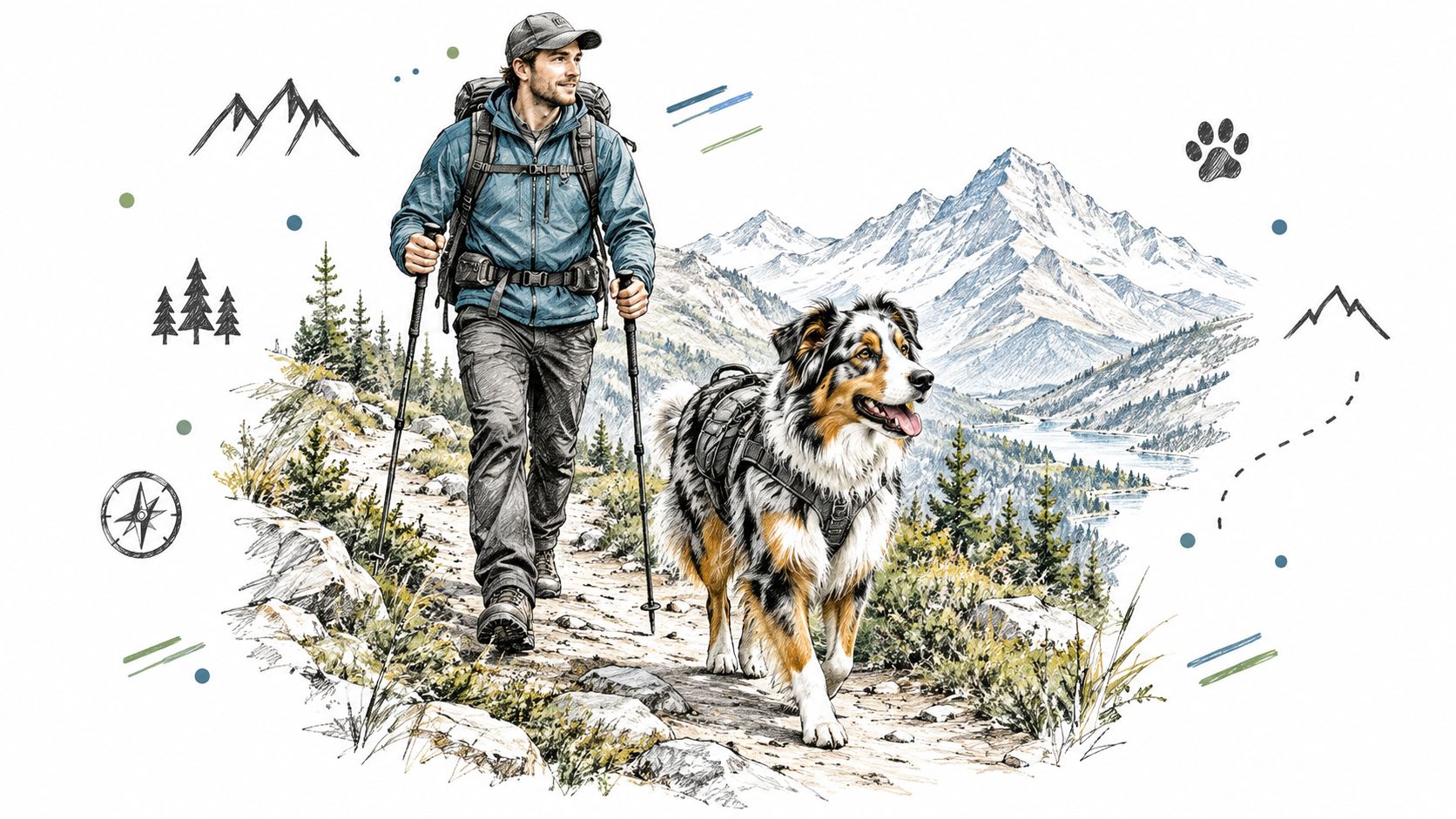
A narrow, busy Front Range trail can test an Australian Shepherd more than a long, open path. This medium-sized herding breed developed on American ranches, and its agility, stamina, and sure footing suit varied terrain. An Aussie is a strong match for an owner who enjoys training and can keep a responsive, high-drive dog settled around other hikers and wildlife.
Enthusiasm can hide fatigue. Build fitness on manageable local routes, then add distance and elevation gradually. Judge readiness by comfortable movement and recovery, not by a dog that keeps pushing. Bring water and a collapsible bowl, and stop before panting becomes unusual or the dog starts to lag. On warm days, choose shade over an exposed climb, and avoid hot pavement on the way to the trail.
Match the dog to the trail
Colorado state parks require dogs to stay under control on a leash no longer than 6 feet, with limited exceptions in designated areas. The Colorado Parks and Outdoor Recreation regulations make reliable leash skills especially important on narrow paths, where there may be little room to pass hikers or wildlife. Practice calm passing before taking an Aussie onto a crowded route.
Rough ground can irritate paws. Check them during the outing, then look through the coat for burrs afterward. Use these Front Range dog hiking safety tips to prepare for changing conditions and trail hazards.
Good fit: Choose an Aussie if you want an athletic partner and are ready to train for trail traffic, leash control, and wildlife encounters. If your dog struggles to settle, work on those skills before choosing a busy route. A healthy, energetic dog still needs conditioning and time to recover.
Denver Dog Hikers offers guided, on-leash trail adventures for owners in Arvada, Denver, Englewood, Golden, Lakewood, Littleton, and Wheat Ridge.
2. Labrador Retriever
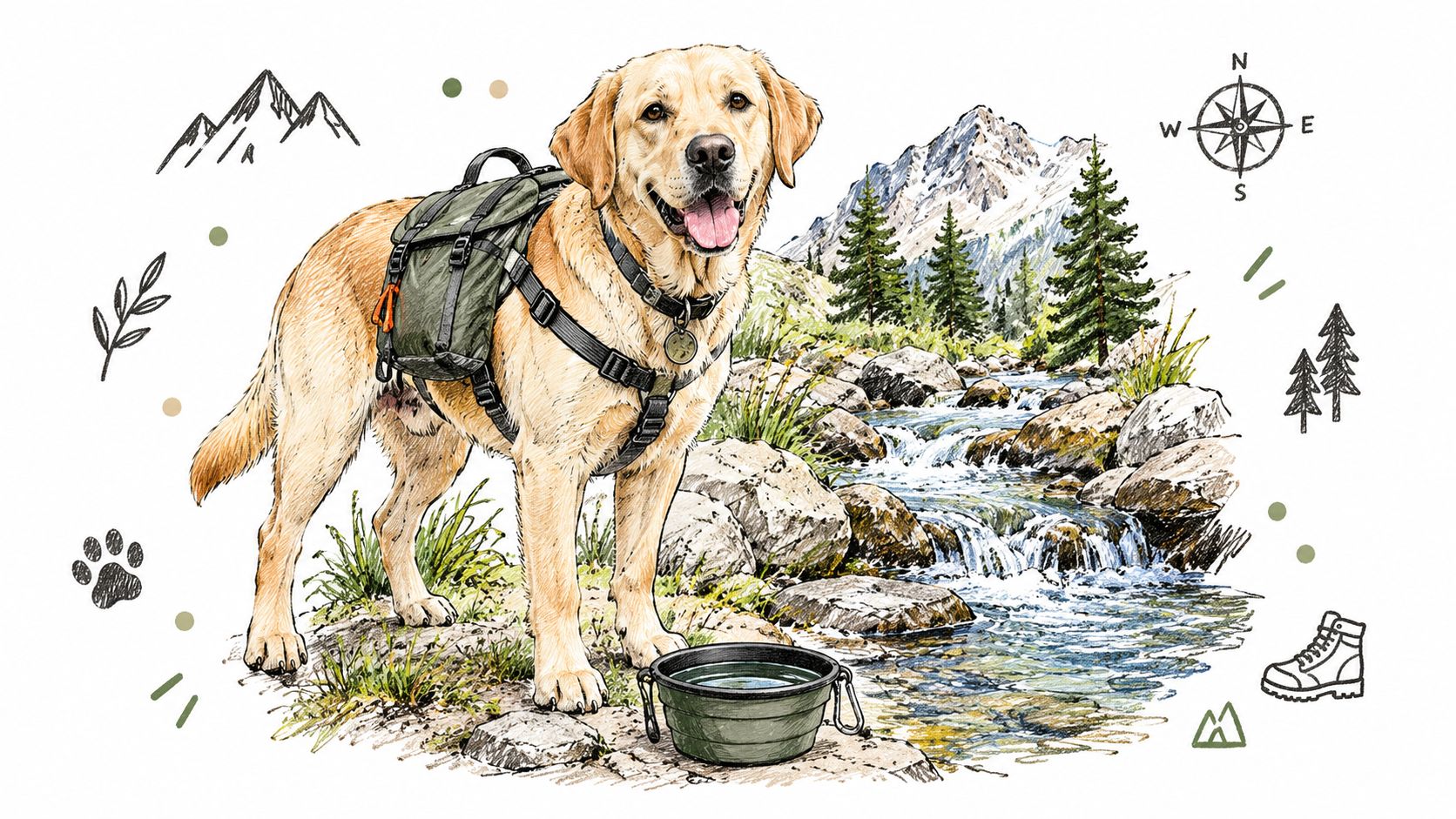
For a general-purpose hiking companion, the Labrador Retriever is a dependable benchmark. Its working background, trainability, and sociable temperament can make it a practical choice for families and people introducing a dog to trails. The breed's published adult size is approximately 55–80 pounds , with males commonly standing 22.5–24.5 inches at the shoulder, according to the breed comparison reference.
A Lab's friendly nature doesn't replace leash skills, and its sturdy build makes body condition worth monitoring. Keep your dog lean and build fitness with regular walks before attempting demanding terrain. Weight, age, orthopedic comfort, and heat tolerance all affect how well an individual Lab will handle a climb.
Plan breaks, not just mileage
On a warm outing, choose a cooler time of day and use shaded rest stops. Bring water, check paw pads for cuts or heat-related irritation, and turn back if your dog's gait or energy changes. A mountain stream may look inviting, but it doesn't remove the need to manage hydration and breaks.
A family's first trail day might be a short, familiar route where the dog can practice staying beside the handler around other hikers. Colorado state parks require dogs to remain under control on a leash no longer than 6 feet, subject to limited designated exceptions, so a Lab that pulls hard still needs training before a crowded trail. For age-based exercise planning, see this guide to Labrador exercise needs.
3. Vizsla
The Vizsla is a strong pick for an active owner who wants an athletic dog that naturally stays close. Bred as a Hungarian pointing dog, it has the energy for sustained outdoor activity and a short coat that suits warm weather better than a heavy winter coat. Its close attachment to family is useful on narrow trails, where a dog that checks in with its handler can be easier to guide.
That short coat has a trade-off: cold, windy mornings can be uncomfortable. Carry a dog jacket for early-season outings, and shift summer hikes to cooler hours. A Vizsla may have the engine for a long day, but fitness still builds gradually. Introduce unfamiliar surfaces and elevation in manageable steps rather than going straight from neighborhood walks to steep terrain.
Keep the outing calm at both ends
A trail day isn't only about the climb. The dog needs to start focused and recover afterward, rather than staying overstimulated after a demanding outing. A quiet rest period, water, and a check for paw soreness help you spot whether the route was appropriate.
For example, a Vizsla accustomed to flat paths might first tackle a moderate foothill walk, with the handler watching for lagging, unusual panting, or reluctance to continue. Keep the dog on a leash where wildlife or other trail users are nearby, and reward calm check-ins. The breed's closeness can help, but it doesn't replace reliable control.
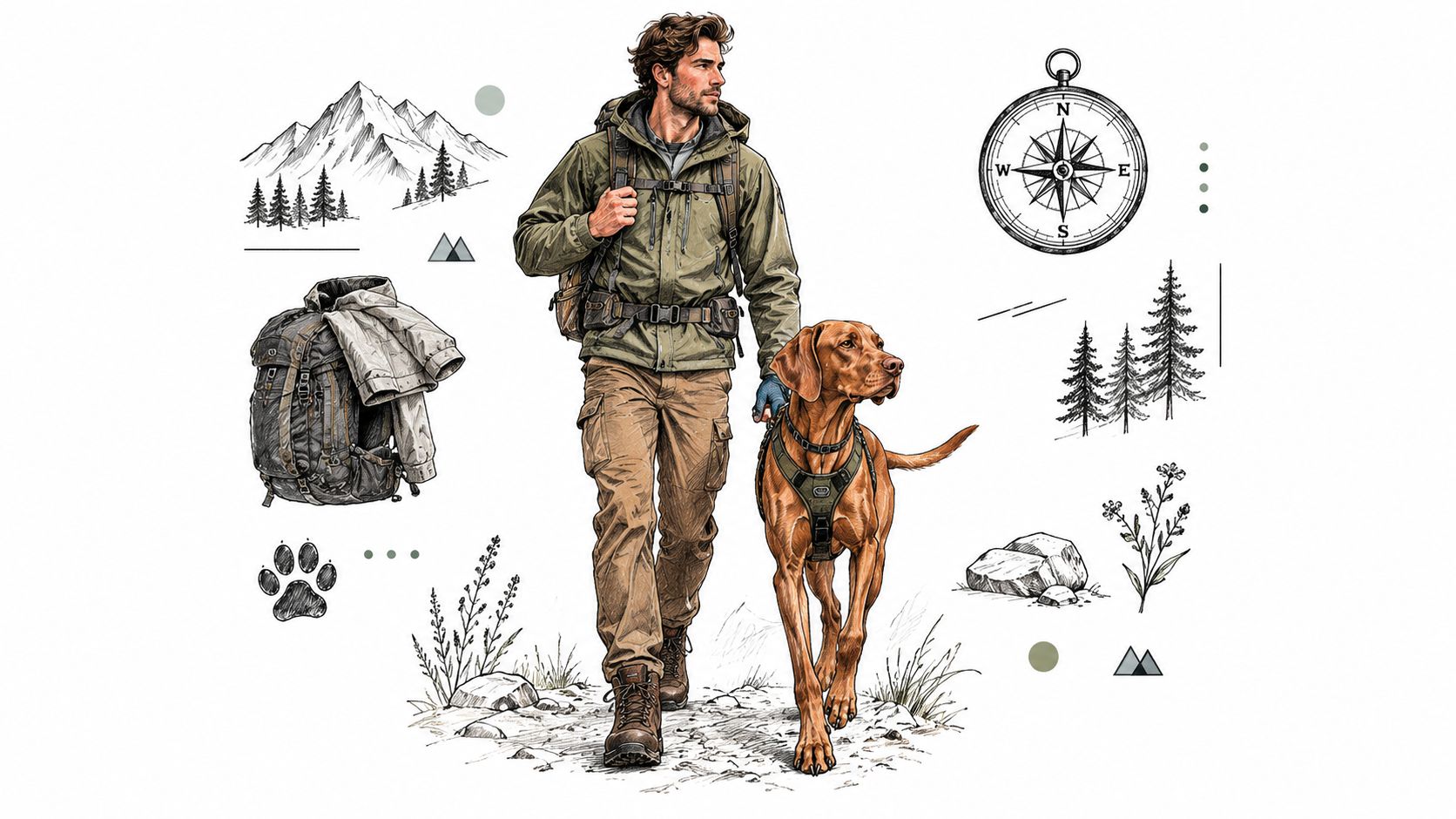
4. German Shorthaired Pointer
A German Shorthaired Pointer has the athleticism for demanding trail days, but it isn't a low-effort hiking choice. The breed's hunting background brings speed, stamina, and a strong interest in scent and movement. That combination can be excellent on a route where the dog has room to move under control, and challenging when wildlife or distractions appear.
An experienced handler should prioritize recall and leash skills before adding distance. Practice in quiet areas first, then introduce more distracting settings gradually. On a wooded trail, use a secure leash or long line only where local rules allow; Colorado state parks generally require a leash no longer than 6 feet. Don't give a dog extra freedom just because it's athletic.
Channel the drive
A GSP needs mental work as well as physical exercise. On non-hiking days, scent games and food puzzles can provide useful engagement without turning every outing into a harder workout. After a hike, inspect the paws and coat for burrs, debris, or signs of irritation.
A practical example is a short, shaded walk with planned sniff breaks for a dog still learning to pass wildlife calmly. If the dog fixates, pulls, or can't respond to the handler, choose a quieter route and continue training. Hiking readiness means the dog can safely share the trail, not merely cover ground quickly.
5. Border Collie
A Border Collie can be an exceptional trail partner for someone who likes clear communication and structured activity. Its herding background, focus, and athleticism suit varied terrain, but the breed's intelligence also means it needs a job and consistent guidance. Without that outlet, a hike may become an opportunity to chase movement or try to control other trail users.
Teach a dependable recall and “leave it” before taking the dog where wildlife may appear. On narrow or busy paths, keep the leash short enough to prevent herding behavior toward passing hikers or dogs. A small pack may suit a fit, healthy adult after conditioning, but it shouldn't be used to add a workload before the dog is ready.
A good trail job can be simple: check in with the handler, walk beside them during a pass, then resume sniffing when the path clears.
Rotate hikes with training games and scent work so physical exercise isn't the dog's only outlet. For example, a Border Collie might practice calm trail passing on a local walk, then work on a scent game at home on a recovery day. Watch for fixation, frantic behavior, or difficulty settling after the outing. Those signs call for better pacing and more deliberate rest, not automatically a longer hike.
6. Brittany
The Brittany offers a useful middle ground for hikers who want a lively sporting dog without a larger frame. This compact pointing and flushing breed has agility and energy for moderate hikes and trail running, while its manageable size can make it easier to guide on narrower paths. It still needs regular activity and thoughtful control around wildlife.
Start with familiar, shorter routes, then increase the challenge as the dog gains fitness and recovers comfortably. Keep it leashed around wildlife, since the breed's hunting instincts can pull attention toward birds and other movement. Scent games near the trailhead can give the dog a productive outlet before setting off.
Adjust for warm Front Range days
A Brittany's enthusiasm can outlast its comfort. Bring extra water, choose shade when possible, and avoid exposed routes during the hottest part of the day. Hot pavement can injure paw pads, so check the walking surface before your dog steps onto it.
A realistic first mountain outing might be a moderate path with room for breaks rather than a steep, rocky route. If the dog starts lagging, limping, or refusing to move normally, stop and reassess instead of encouraging it to push through. Moderate size doesn't guarantee easy handling, either. Practice leash manners and calm passes before taking a Brittany into busy trail traffic.
7. Siberian Husky
The Siberian Husky is built for endurance in cooler conditions, making it a natural candidate for snowy paths and chilly, high-elevation outings. The breed was developed by the Chukchi people of northeastern Siberia for pulling over long distances in harsh weather. On a cold day, that background can be an advantage; on a hot, exposed trail, the coat and weather sensitivity require a different plan.
Huskies are also independent and may have strong prey drive. Use a secure, well-fitted harness and leash, and practice recall in enclosed areas rather than relying on it around wildlife. A Husky that pulls steadily can be difficult to control on a steep, narrow path, so train loose-leash walking before taking on crowded routes.
Choose cool conditions and watch recovery
Schedule hikes for cool weather and carry water even when the temperature feels comfortable to you. Don't judge hydration or fatigue only by whether the dog continues forward. If your Husky's coordination, breathing, or interest in moving changes, stop and assess rather than pressing on.
For a first outing, choose a familiar, low-pressure trail and use the dog's recovery afterward to guide future plans. Check paws for abrasion or ice-related irritation, and give the dog time to rest between demanding days. The Husky's endurance reputation is not a reason to take a dog that lacks conditioning onto a long climb.
8. Weimaraner
The Weimaraner suits an owner who wants a close, athletic companion and can provide regular training alongside exercise. Bred in Germany as a hunting dog, it has stamina for long hikes and a strong bond with its family. Its size and strength matter on the trail: a sturdy harness and dependable leash handling are essential, especially around other hikers and animals.
Build focus through structured training rather than relying on distance to wear the dog out. A short trail session with practice passing people calmly can be more useful than a strenuous outing where the dog pulls from start to finish. On warm, exposed routes, bring water and consider a cooling vest. Check paws and gait after rocky sections.
Prepare for time apart
Weimaraners can become unsettled when left alone, so gradual alone-time training supports a healthier routine beyond the trail. Don't make a hike the only time the dog gets exercise or engagement. Balance outings with rest and training, and monitor whether the dog relaxes afterward.
For instance, an owner could pair a familiar walk with brief focus exercises, then build toward more challenging terrain only as the dog shows steady recovery. The goal is a dog that can move well, respond to the handler, and settle at home. Those habits make the Weimaraner a more practical companion than stamina alone would suggest.
Best Hiking Dogs: 8-Breed Comparison
| Breed | 📊 Hiking performance | 🔄 Care and training demand | ⚡ Trail requirements | ⭐ Key advantages | 💡 Ideal use cases |
|---|---|---|---|---|---|
| Australian Shepherd | Strong endurance; agile on varied terrain | High exercise and mental-work needs; manage herding behavior | Gradual conditioning, water, leash control | Smart, responsive, sure-footed | Long hikes with owners who enjoy training and structured activity |
| Labrador Retriever | Good stamina for moderate to long hikes; enjoys water | Moderate; monitor weight and scavenging | Frequent water and shade breaks in warm weather | Friendly, trainable, beginner-friendly | Family hikes and trails with water access |
| Vizsla | Excellent endurance for hiking and running | High energy; benefits from company and gradual trail exposure | Jacket in cold or wet weather; avoid summer heat | Athletic, affectionate, easy-care coat | Active owners seeking a close, energetic companion |
| German Shorthaired Pointer | Outstanding stamina across mixed terrain | Very high; needs consistent exercise and training | Secure leash or long line to manage prey drive | Versatile, focused, highly trainable | Long hikes, running, and swimming with experienced owners |
| Border Collie | Tireless and agile, including on scrambles | Very high physical and mental needs; manage herding behavior | Short leash on busy trails; reliable recall and “leave it” | Exceptionally responsive and compact | Active owners who can provide training and varied activities |
| Brittany | Strong for moderate hikes and trail running | High energy; channel hunting instincts and vocal behavior | Leash near wildlife; extra water and shade in heat | Manageable size, eager to learn | Active households wanting a compact sporting dog |
| Siberian Husky | Excellent endurance in cold and snowy conditions | High handling demands; independent and difficult to recall | Secure harness and leash; avoid warm-weather hikes | Cold-weather stamina and sociable temperament | Snowy, cool-weather trails with experienced handlers |
| Weimaraner | Strong endurance for long hikes and runs | High; needs companionship, training, and exercise | Sturdy leash and harness; warmth in cold conditions | Athletic, loyal, low-grooming coat | Long outdoor outings with experienced, active owners |
Build a Safe Dog-and-Trail Routine
Choose a hiking partner based on your actual routine, not a breed's reputation. A long-distance dog may be the wrong match for an owner who wants quiet neighborhood paths, while a compact mixed-breed dog could be ideal for regular moderate hikes. The best dog for hiking is the individual that stays healthy, responds to the handler, and recovers well from the outing you plan.
Before raising the difficulty, check how your dog handles short walks on familiar ground. Increase duration or elevation gradually, and watch recovery after each outing. There's no distance formula that fits every dog. Age, body condition, previous injuries, gait, coat, heat tolerance, and past exercise all change what a safe hike looks like.
Use this practical checklist before heading out:
- Condition gradually: Build regular walking fitness before attempting steep or extended routes.
- Protect paws and manage heat: Avoid hot pavement and rough ground that could injure paw pads. Choose cooler conditions for heat-sensitive dogs.
- Pack water and plan breaks: Carry enough water for the dog and make time to rest in shade when available.
- Keep leash control reliable: In Colorado state parks, dogs generally must remain under control on a leash no longer than 6 feet , with limited exceptions for designated areas under state park regulations. On National Park Service land, check rules for the specific destination. Some parks allow dogs on only certain trails, and some prohibit them from hiking trails altogether. The National Park Service's pet guidance also emphasizes keeping dogs leashed and away from wildlife.
- Manage wildlife encounters: Keep the dog on the designated trail and prevent chasing or close approaches. Watch for local hazards such as dangerous terrain, rough ground, and wildlife.
- Allow recovery: Look for limping, unusual panting, lagging, poor coordination, vomiting, or reluctance to move. Stop the outing and seek veterinary guidance if symptoms concern you, and schedule easier days after demanding hikes.
Mixed-breed dogs can excel on trails when their health, temperament, size, coat, fitness, and training suit the route. A veterinarian or qualified canine fitness professional can help assess a dog with health concerns, a history of injury, or uncertain exercise tolerance. Make the route fit the dog, and turn back when the dog's behavior or movement tells you the plan isn't working.
For structured, on-leash Front Range adventures, dog owners in Arvada, Denver, Englewood, Golden, Lakewood, Littleton, and Wheat Ridge can explore Denver Dog Hikers. If your plans include travel beyond Colorado, check local access rules first, including this guide to pet-friendly Texas state parks.
Denver Dog offers on-leash walks, runs, and guided hikes matched to a dog's energy level and temperament, including Front Range trail adventures. If your dog needs structured weekday exercise or a managed trail outing, visit Denver Dog to explore the available services.
The Run Down