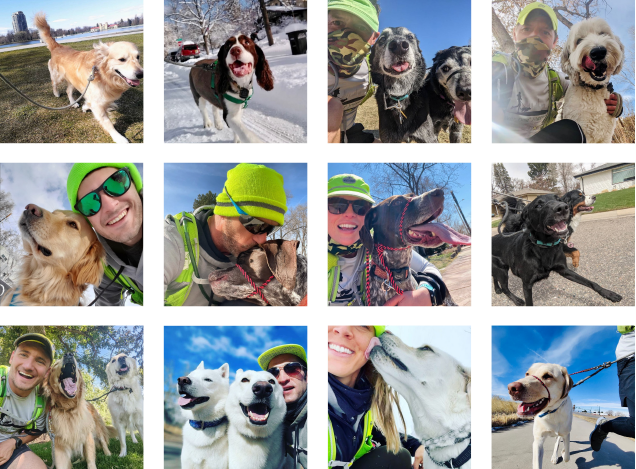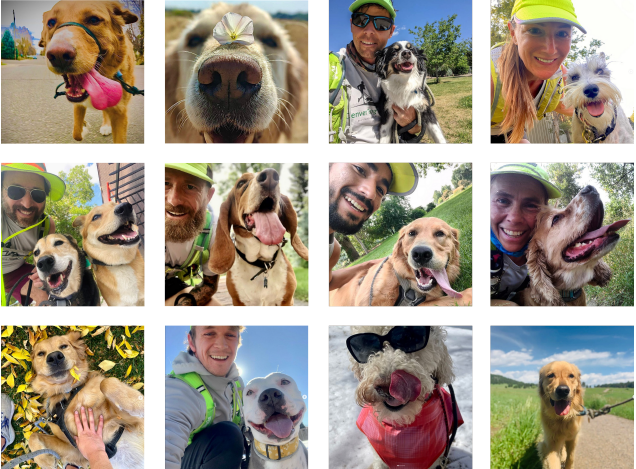
Your dog has probably done it already today. Paced from window to couch, circled the door, grabbed a toy, dropped it, then sighed and waited.
If you work a full day, that scene can sit in the back of your mind. You know your dog needs more than love, food, and a quick trip outside. You know the difference between a dog who got real exercise and a dog who only got a bathroom break. By the time you get home, that extra energy often shows up as barking, leash pulling, zoomies in the hallway, shredded paper, or a dog who seems restless even after dinner.
That's where many people start searching for an Arvada dog walker. What they usually need is something more specific. Not just someone to open the door and loop the block, but someone who can deliver structured movement, steady handling, and a routine that matches the dog in front of them.
Is Your Arvada Dog Getting the Exercise They Crave
A lot of busy pet parents in Arvada are dealing with the same pattern. The morning starts fast. You feed the dog, squeeze in a short outing, head to work, and hope that will hold them over. It often doesn't.
By midday, many dogs aren't just ready to pee. They're under-stimulated. Young sporting breeds, athletic mixes, and dogs with big social or sensory needs can struggle when their only weekday activity is a quick relief walk. They may still be “good dogs,” but they're carrying unused energy into the evening.
For many owners, the first instinct is to shop by price. That's understandable. For standard 30-minute private walks in Arvada, pet owners typically pay between $28 and $35 , according to local Arvada dog walker pricing guidance. That number matters, but it doesn't answer the more important question: what's happening during those 30 minutes?
Potty break or productive outing
A short walk can be enough for some dogs. Senior dogs, pups recovering from exertion, or naturally lower-energy companions may do fine with a calm stroll and sniff time.
Others need more structure. They benefit from:
- Purposeful movement that raises effort in a safe, controlled way
- Mental engagement through route changes, pace work, and handling cues
- Routine during the workday so they don't spend long stretches waiting for evening relief
Practical rule: If your dog still seems wound up after dinner, the issue may not be obedience. It may be unmet exercise needs.
One of the easiest ways to reframe your dog's routine is to look at activity fit, not just booking convenience. A useful place to start is this dog exercise calculator for finding your pup's ideal activity. It helps pet owners think in terms of breed tendencies, stamina, and temperament instead of assuming every dog needs the same kind of walk.
What owners usually notice first
When dogs get the right level of exercise, the changes are often practical, not dramatic. They settle more easily. They greet you with excitement but less frantic energy. They rest more soundly in the evening. Life at home feels smoother.
That's why the right Arvada dog walker isn't just solving a schedule problem. They're helping meet a physical and behavioral need that many dogs can't meet on their own.
Beyond the Block What Professional Dog Jogging and Hiking Involve
A conventional walk has one main job. Get the dog outside, keep things moving, and come home safely.
Structured exercise has a different job. It channels energy with intention. Pace, terrain, duration, and handling style all matter more. That's the dividing line between a basic outing and a program built around canine fitness.

What a structured session changes
A potty break usually follows the dog's immediate needs. Stop, sniff, eliminate, head back.
A jogging or hiking session asks more from the handler. They have to read effort level, monitor pacing, manage arousal, and make decisions about route and equipment. The goal isn't just to tire a dog out. The goal is to create a safe, repeatable outlet for physical and mental energy.
Here's the practical difference:
| Session type | Primary purpose | Best fit |
|---|---|---|
| Basic walk | Relief, light movement, routine check-in | Lower-energy dogs, seniors, easy maintenance days |
| Jogging session | Cardio outlet, pace work, neighborhood exercise | High-energy dogs who need to burn steam on-leash |
| Hiking session | Longer-form enrichment, terrain changes, sensory engagement | Dogs who thrive with exploration and sustained activity |
Jogging works best for dogs who need consistency
Some dogs don't need novelty as much as they need output. A brisk, structured run through familiar neighborhoods can do a lot for dogs who tend to explode with pent-up energy indoors.
Jogging tends to suit dogs who:
- Pull on ordinary walks: They often do better when the outing matches their natural pace.
- Need weekday structure: Midday cardio can make evenings far calmer.
- Like clear jobs: Many working and athletic breeds settle when movement has direction.
A good harness matters here. Poor fit can limit shoulder movement or create rubbing under effort. This guide on choosing a good dog harness for hiking is also useful for owners evaluating gear for jogging, because the same fit principles matter when a dog is moving with purpose.
Hiking suits dogs who need both movement and enrichment
Some dogs don't just need faster exercise. They need richer exercise. Trails offer scent variation, changing surfaces, elevation shifts, and more opportunities to engage the brain while the body works.
A dog who comes home physically tired but mentally frustrated often didn't get the right kind of outing.
Hiking is especially useful for dogs who get bored on repetitive neighborhood loops. It can also help dogs who do best when they have space, varied smells, and a steadier rhythm than a stop-and-go sidewalk route.
The important distinction is simple. Not every dog needs a harder workout. But many dogs need a more thoughtful one.
Our Unmatched Commitment to Safety and Trust
Exercise only helps when the handling is sound. For pet parents, that's the core issue beneath every booking decision. You're not just handing someone a leash. You're trusting them with your dog's body, stress level, routine, and, in some cases, transport.
That's why safety standards matter more than marketing language.

The local safety gap most owners don't hear enough about
There's a real blind spot in this market. Pets in Arvada face a "safety paradox" where owners seek high-energy exercise but local content focuses on pricing and duration, not handler driving safety , a gap described in this discussion of trusted dog walker safety standards. That same source notes mandatory seven-year clean driving records and in-vehicle camera monitoring for all staff as examples of concrete screening and oversight.
That issue matters most when a service includes transport to trails or exercise locations beyond the front door. Many owners ask about cost and availability first. Fewer ask who is driving, how they're screened, or what oversight exists once the dog is in the vehicle.
What trustworthy handling looks like in practice
Strong safety systems usually include layers, not slogans. Look for a provider who can explain how they approach:
-
Driver standards
If a dog is ever transported, vetting the person behind the wheel is part of pet care, not a separate issue. -
Handling consistency
Dogs do better when leash skills, cueing, and route choices are predictable. -
Updates and visibility
Owners shouldn't be left guessing what happened during the outing.
A lot of pet parents also like adding their own backup layer for peace of mind. If you've been thinking about gear that helps you monitor location or improve recovery if a dog ever slips containment, this guide to choosing a reliable dog tracker is a useful resource.
The safest exercise plan is one that matches the dog's energy without asking the handler to improvise under pressure.
Questions worth asking before you hire anyone
An experienced Arvada dog walker should be able to answer direct questions without dancing around them.
Ask things like:
- How do you screen people who handle or transport dogs?
- What do you do when a dog is overstimulated, hesitant, or reactive on a route?
- How do you decide whether a dog should walk, jog, or skip a harder outing that day?
- What kind of updates should I expect after a session?
The right answers won't sound flashy. They'll sound specific. That's usually a good sign.
How to Get Started with Denver Dog in Arvada
Starting with a professional exercise service should feel organized, not complicated. Good onboarding removes uncertainty for the owner and lowers stress for the dog.

One sign of reliability is long-term operating history. Since 2010 , Denver Dog has completed more than 135,000 running, walking, and hiking sessions , which speaks to a level of routine, repeatability, and trust built over time.
What the process usually looks like
Most successful starts follow a simple sequence.
-
Initial contact
Share your dog's age, temperament, energy level, and what isn't working right now. A dog who drags you down the sidewalk needs a different plan than a dog who freezes on walks or tires quickly. -
Service fit
The key question isn't “Do you offer walks?” It's “What type of exercise suits this dog?” That's where running, walking, or hiking can be matched more thoughtfully. -
Meet-and-greet or intake review Routines, gear, entry details, handling notes, and any quirks get clarified during this step, before the first active session.
For a direct next step, owners can use the Denver Dog getting started page to begin the intake process.
Where service coverage matters
Consistency gets easier when the same company can support families across the metro area. Denver Dog serves Arvada, Denver, Englewood, Golden, Lakewood, Littleton, and Wheat Ridge through its service area page. That's helpful for households that move, split care between homes, or want the same style of service across nearby communities.
If you run your own pet business and care about faster response times for leads, some owners also look at tools outside the walking world. For example, a virtual receptionist for dog groomers shows how service businesses can avoid missed inquiries and create a smoother first-contact experience. The same lesson applies here. Prompt, clear communication matters.
What a smooth first week feels like
By the end of the first week, owners usually want three things:
- Clarity: They know when service happens and what the dog did.
- Confidence: They feel their dog was handled by someone prepared.
- Results: The dog starts settling into a weekday rhythm.
A quick look at the process in action can help make that feel more concrete.
The best onboarding doesn't feel salesy. It feels calm, informed, and easy to repeat.
Hear from Happy Pups and Parents Across Metro Denver
Results show up in everyday life first. Dogs rest more soundly. Greetings become happier and less frantic. Owners stop worrying through the middle of the day.

The kinds of stories owners tend to tell
A pet parent in Arvada might say their young dog used to spend evenings ricocheting around the house, unable to settle after work. After switching from occasional relief walks to a more structured exercise routine, the dog still had personality and enthusiasm, but the edge came off. Dinner got quieter. Bedtime got easier.
In Wheat Ridge, another owner might describe a dog who pulled hard on neighborhood walks and seemed frustrated by short outings. Once the dog had a more purposeful weekday routine, the owner noticed that regular home walks became easier too. The dog wasn't trying to cram a full day of energy into one evening lap.
“The biggest change isn't that my dog comes home exhausted. It's that he comes home satisfied.”
That's the outcome commonly desired by clients.
What these experiences usually have in common
The strongest feedback tends to center on three things:
- A calmer home life after the dog gets an outlet that fits
- Peace of mind because the routine feels dependable
- Visible enthusiasm when the dog realizes it's time to go
People often start by looking for convenience. They stay because the dog's day gets better, and so does theirs.
Frequently Asked Questions About Our Arvada Dog Walking Services
What hours are available
Denver Dog operates exclusively on weekdays, Monday through Friday, from 8:00 AM to 2:00 PM , according to its weekday service schedule. That window is built around midday exercise needs for busy professionals.
What if my dog needs more than a quick walk
That's often the reason owners start looking for an Arvada dog walker in the first place. Some dogs do fine with a basic outing. Others need structured movement such as jogging or hiking, plus a handler who can adjust pace and environment to the dog's temperament.
Do you work with multi-dog households
Many active households need a plan that reflects each dog's energy and behavior. In practice, that often means evaluating whether the dogs should be exercised together or separately. Dogs from the same home don't always have the same pace, confidence, or focus outdoors.
What happens in bad weather
A professional service should make judgment calls based on footing, temperature, the dog's coat and condition, and the type of activity planned. Sometimes the right answer is a modified outing rather than pushing through with the original plan.
Why does safety screening matter so much
Because a dog's well-being depends on more than leash handling. If transport, trail access, or any vehicle time is part of the routine, the standards behind the service matter. Screening, oversight, and consistency are what turn exercise from a gamble into a dependable service.
Good dog care is rarely about doing the most. It's about doing the right amount, the right way, with the right handler.
If your dog needs more than a quick loop around the block, Denver Dog offers structured on-leash running, walking, and hiking built around safety, routine, and real canine exercise needs.
The Run Down