Your dog bounds out the door for a familiar Denver walk, trots up a trail, and seems completely fine. Then you notice a small change: your usual hiking partner lags behind for part of the route, pants harder after an easy stretch, or hesitates before jumping into the car. Nothing looks urgent, so you may blame a warm day, a busy week, or normal aging.
Those observations matter, but they don't tell the whole story. Dog health screening pairs what you see at home with veterinary examinations and diagnostic tests that can reveal hidden or developing disease. In one study of 122 apparently healthy older dogs , 20% had at least one disease at baseline , even though they appeared well. Over the following two years, new disorders still emerged, including neoplasia in 12% , azotemic chronic kidney disease in 8% , neurologic disease in 11% , and orthopedic disorders in 5% ( study of screened older dogs).
The goal isn't to turn every walk into a medical inspection. It's to create a sensible baseline, recognize meaningful changes, and know when a routine screen deserves a closer look.
Why Healthy Looking Dogs Still Need Health Screening
Milo is an older Labrador who still enjoys neighborhood walks and occasional trail outings. He eats normally, greets visitors, and carries a toy around the house. During a routine appointment, his owner expects little more than confirmation that everything looks fine.
The physical examination is reassuring, yet screening adds another layer of information. A blood result may warrant follow-up even without a dramatic symptom. That finding does not automatically mean serious disease. It gives the veterinarian a chance to compare the result with Milo's history, repeat testing when appropriate, and investigate before an urgent problem develops.
Dogs often adjust their behavior in ways owners may miss. A dog with an early problem might rest more between activities, drink from the bowl more often, or stop finishing a familiar hike while still eating and greeting people normally. These small changes can be easier to spot through structured walks and runs than during a busy day at home.
Practical rule: A normal-looking dog has a reassuring presentation, not a guarantee that every organ system is normal.
Screening serves two purposes: confirming that current health markers remain stable and looking for changes that appearance alone cannot reveal. Age and breed risk also change the questions a veterinarian asks. A review of senior and geriatric canine screening found different patterns across those life stages ( research on senior and geriatric canine screening). One appointment cannot predict every condition that may develop later.
Preventive care therefore works as an ongoing plan rather than a single checklist. The AAHA-AVMA canine preventive healthcare guidelines include annual heartworm testing, at least annual internal parasite testing, early disease screening, and genetic screening, selected according to the individual dog's needs.
Daily activity supplies useful context for those results. During a Denver Dog outing, a handler may notice a shorter stride, reluctance on an incline, or slower recovery after a familiar route. Recording that pattern and sharing it with the veterinarian can help connect an isolated lab result with what the dog does each day. For more context on why regular monitoring matters later in life, see this resource on why senior pet care matters.
Understanding Core Dog Health Screening Tests
Think of screening as a dashboard rather than a single pass-or-fail test. The physical exam is the dashboard view, bloodwork checks several warning lights, urinalysis adds information about filtration and concentration, and targeted tests investigate a particular risk.
Start with the routine exam
A wellness exam gives the veterinarian context for every later result. The clinician evaluates body condition, hydration, eyes, ears, mouth, skin, lymph nodes, heart sounds, breathing, abdomen, gait, and overall behavior. That hands-on information helps determine whether a basic panel is enough or whether the dog needs imaging, a cardiac workup, or another targeted test.
Bloodwork usually combines a complete blood count , or CBC, with a chemistry panel. The CBC evaluates hematocrit, red blood cells, white blood cells, the differential, cytology, and platelets. The chemistry panel can include total protein, albumin, globulin, ALP, ALT, glucose, BUN, bilirubin, creatinine, potassium, phosphorus, sodium, and calcium, according to AAHA life-stage guidance.
The CBC is like checking the traffic on a road. It can show whether cell populations or platelets look unusual. Chemistry is closer to checking the city's utilities, offering clues about metabolism and organ function. Running both creates a more useful picture than relying on one marker.
Add urine and parasite screening
Urinalysis helps interpret kidney-related blood results and can reveal changes in concentration, blood, protein, cells, or other signs that deserve veterinary attention. Guidance for apparently healthy dogs supports combining hematology, biochemistry, and urinalysis to establish an individual baseline ( Veterinary Ireland guidance on routine screening).
Fecal testing looks for worms and protozoa. Heartworm testing checks for heartworm antigen, while tick-borne screening may assess exposure to Lyme, Anaplasma, and Ehrlichia. A negative result doesn't rule out every infection, especially when testing occurs early, so timing and confirmatory testing matter.
Move to targeted testing when risk calls for it
Cardiac evaluation may involve listening to the heart, an electrocardiogram, Holter monitoring, echocardiography, or referral to a veterinary cardiologist. Imaging, including radiographs or ultrasound, can add structural information that bloodwork can't provide. Owners who want to understand the equipment and clinical role of ultrasound can consult this guide from Veterinary Practice Loans.
Genetic panels can help identify inherited risks, but they don't replace physical exams or routine diagnostics. Orthopedic imaging may be more relevant for a dog with persistent stiffness, a changed gait, or a breed-related joint concern. For practical mobility support alongside veterinary assessment, see this guide to joint health for dogs.

When and How Often to Screen by Age and Breed Risk
A puppy exploring a trail, a fit adult joining a run, and a senior dog taking a slower walk may all need different screening plans. Their bodies, exposures, and likely risks change with age and history. Screening works best when the schedule matches the dog in front of you, rather than a generic package.
Compare life stages
Puppies usually have frequent early veterinary visits for preventive care, development checks, parasite management, and vaccines. Healthy adult dogs commonly need at least annual wellness exams. Mature and senior dogs may benefit from shorter intervals, which can reveal gradual changes sooner.
AAHA guidance recommends annual heartworm screening for healthy dogs, fecal parasite testing 1 to 4 times per year according to lifestyle and preventive use, and repeated CBC, chemistry, and urinalysis testing as dogs mature ( AAHA canine life-stage toolkit). Under that guidance, senior testing is commonly repeated every 6 to 12 months .
| Life Stage | Exam Frequency | Core Screening Panel |
|---|---|---|
| Puppy | Frequent early visits | Preventive exam, fecal testing, and risk-based tests |
| Active adult | At least annual wellness exams | CBC and chemistry, with parasite and heartworm testing |
| Mature adult | Annual review, with more frequent testing when risk warrants | CBC, chemistry, urinalysis, and targeted tests |
| Senior | About every 6 months is often appropriate | Repeated bloodwork, urinalysis, parasite screening, and risk-based cardiac or imaging tests |
Daily activity adds useful context. During Denver Dog's structured runs and hikes, note whether an athletic dog tires sooner, needs longer recovery, changes gait, or shows reduced interest in the route. Those observations can help a veterinarian decide whether routine screening is enough or whether cardiac, orthopedic, or other targeted testing should happen sooner.
Breed risk changes the plan
Dobermans show why breed history can alter the schedule. The European Society of Veterinary Cardiology recommends screening for occult dilated cardiomyopathy beginning at 3 years of age , with both Holter monitoring and echocardiography, and continuing yearly for life . Its criteria describe fewer than 50 ventricular premature complexes in 24 hours as normal. More than 300 in 24 hours , or repeated recordings with 50 to 300 , supports a diagnosis of occult DCM. These criteria should be discussed with a veterinarian who can select and interpret the tests.
A one-time screen provides a starting point, not a lifetime prediction. Repeating an appropriate test helps show whether risk remains stable or changes over time.
Age labels can also be confusing because calendar age does not reflect every dog's maturity in the same way. This guide to how old your dog is in human years offers context for discussing life-stage planning with your veterinary team.

A short video can help owners see how life-stage care fits into a broader preventive routine.
How to Read Results and Track Your Dogs Baseline
A laboratory report can feel like a collection of red, green, and unfamiliar values. The most useful question usually isn't, “Is one number outside the reference range?” It's, “How does this result compare with my dog's previous results, examination, symptoms, medications, hydration, and normal pattern?”
Reference ranges describe values expected in a laboratory's comparison population. They aren't a personal target for every dog, and a flagged value doesn't diagnose a disease by itself. Your veterinarian interprets the result alongside the physical exam and decides whether monitoring, repeat testing, or further diagnostics makes sense.
Treat the first full panel as a starting map
A baseline collected while a dog appears healthy gives later results a point of comparison. A small shift that remains present over time may deserve more attention than a single isolated flag that disappears on repeat testing.
Kidney-related interpretation illustrates the point. BUN and creatinine can be considered with urinalysis and, when available, SDMA . No single marker tells the entire kidney story, so the veterinarian looks at the pattern, urine concentration, hydration, diet, medications, and clinical signs.
The same logic applies to the CBC. A change in red-cell measures, white-cell populations, or platelets may have different meanings depending on whether it is mild, persistent, accompanied by symptoms, or associated with other findings.
Remember what a negative test cannot promise
The 4DX test screens for heartworm antigen and exposure to Lyme, Anaplasma, and Ehrlichia, but it can be falsely negative early in infection and doesn't replace confirmatory testing ( 4DX testing limitations). Ask the clinic how the test fits the timing of exposure, preventive history, symptoms, and local risk.
Keep a simple record with the date, test names, values, medications, appetite, thirst, urination, stool, weight trend, exercise tolerance, and any change in gait or breathing. Bring the record to appointments and ask:
- What changed: Is this different from my dog's earlier baseline?
- What fits together: Do bloodwork, urine, examination, and behavior point in the same direction?
- What comes next: Should we repeat this, add another test, or monitor?
- What would change the plan: Which signs should prompt an earlier call?

Exercise Red Flags That Signal Its Time to Screen
A trail walk creates a natural, repeatable observation window. You know how your dog usually starts, settles into pace, handles hills, and recovers afterward. When the same route suddenly looks harder, that change can help you decide whether to watch closely, adjust exercise, or contact your veterinarian.
A single slow outing isn't automatically illness. Heat, excitement, poor sleep, surface conditions, and an unusually demanding route can change performance. A repeated or progressive change deserves more attention, especially when it appears alongside appetite, thirst, urination, breathing, pain, or behavior changes.
Match the clue to the question
- Stamina drop: A dog tires earlier on a familiar walk. Ask whether a wellness examination, CBC, chemistry, parasite testing, or cardiac assessment is appropriate.
- Gait change: A shortened stride, stiffness, or visible limp points toward an orthopedic and neurologic examination. Persistent lameness may warrant imaging.
- Reluctance to jump: Hesitation at the car or sofa can reflect pain, weakness, fear, or reduced mobility. Don't force the movement to test it.
- Pacing or restlessness: A dog that can't settle after a normal run may be uncomfortable or recovering abnormally. Record when it starts and how long it lasts.
- Unusual panting: Heavy panting after light effort, especially with weakness, coughing, collapse, or abnormal gum color, needs prompt veterinary guidance.
- Change in pace: Lagging behind or repeatedly stopping on an ordinary route may signal reduced comfort, stamina, or motivation.
A structured walk doesn't diagnose disease. It gives you a consistent setting in which change becomes easier to notice.
Denver owners can make observations more useful by noting the route type, weather, pace, surface, rest breaks, and recovery behavior. A runner who consistently sees the same dog may notice that the dog now avoids hills or shifts weight before the owner recognizes a problem. That observation should be shared, not treated as a diagnosis.
Reduce intensity and seek veterinary advice promptly for collapse, severe breathing difficulty, sudden weakness, severe pain, or an inability to use a limb. For less urgent soreness or stiffness, this Denver guide to dog muscle soreness and recovery can help you think through what to monitor while arranging appropriate care.

What Dog Health Screening Costs and How to Plan
Clinics don't price “screening” as one universal item because the work can include different services. A basic preventive visit differs from a visit with CBC, chemistry, urinalysis, fecal testing, heartworm testing, imaging, cardiac monitoring, or genetic analysis.
The main cost drivers are the number and type of tests, whether samples are processed in-house or sent to a laboratory, the dog's age and risk profile, the need for specialist interpretation, and whether a follow-up test is needed. A senior dog with a new exercise change may require a different plan from a healthy young adult with no concerns.
Build the plan in layers
Start by asking the clinic for an itemized estimate. It should identify the examination, each laboratory panel, sample collection, imaging, interpretation, and any recommended recheck. This makes a bundled wellness plan easier to compare with à la carte testing.
If money is limited, tell the veterinarian before testing begins. The conversation can prioritize the highest-value information for the dog's current age, symptoms, preventive history, and risk. A minimum panel may establish a useful baseline, while more extensive testing may make more sense when a dog is older, has a changing result, or has a condition that requires closer monitoring.
Don't assume the cheapest single appointment is the least expensive long-term approach. Early clarification can prevent repeated appointments caused by an incomplete initial picture, but testing still needs to be medically relevant rather than expanded without a reason.
For help thinking through wellness plans, exclusions, and insurance decisions, review this pet insurance versus care plan review. The best choice depends on your dog's needs, your clinic's services, and the type of financial protection you want.
How Denver Dog Supports Early Detection and Vet Collaboration
Veterinary screening and daily exercise answer different questions. A clinic can measure blood cells, organ-related markers, urine characteristics, parasite exposure, and cardiac function. A consistent walk, run, or hike shows how a dog moves through space, responds to effort, and behaves during recovery.
That makes structured activity a useful observation layer , not a substitute for veterinary care. Experienced handlers can notice a dog who starts lagging, favors one side, avoids a familiar incline, struggles to settle, or pants differently from usual. The responsible next step is to document the change and tell the owner, who can decide with a veterinarian whether screening or rest is appropriate.
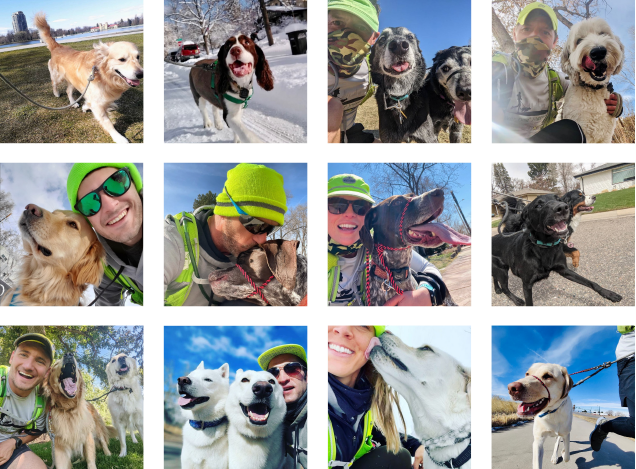
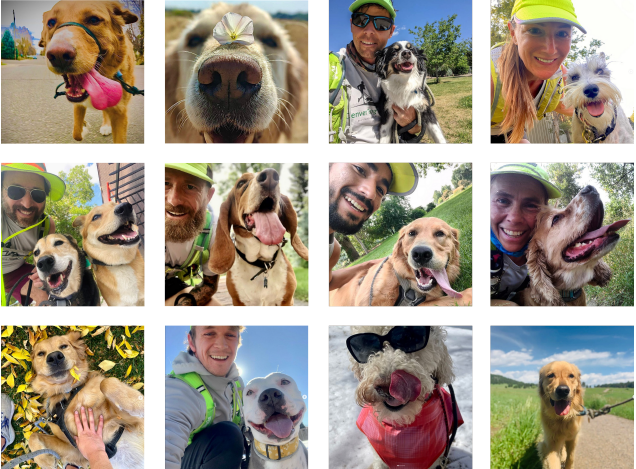
Denver Dog provides on-leash dog walking, running, and hiking through its Denver Dog Joggers and Denver Dog Hikers programs. Its onboarding includes a pre-screening questionnaire and an in-person baseline evaluation, which can help establish how a dog handles structured activity before regular sessions begin. Staff receive recurring training in canine handling, fitness, and welfare, supporting consistent observation during weekday outings.
The service area includes Arvada, Denver, Englewood, Golden, Lakewood, Littleton, and Wheat Ridge. Owners can use those regular sessions to maintain a simple activity log, share meaningful changes with their veterinarian, and adjust exercise when a dog's comfort or stamina shifts.
The practical partnership is straightforward:
- Establish a veterinary baseline appropriate for age and risk.
- Keep activity consistent enough that changes are easier to recognize.
- Record specific observations , rather than relying on memory.
- Share persistent changes promptly with the owner and veterinary team.
- Follow the medical plan , including rest, rechecks, or referral when advised.
Denver Dog offers structured on-leash walks, runs, and hikes for dogs that need reliable weekday activity and careful observation. Visit Denver Dog to explore service options and pair consistent exercise with a thoughtful, life-stage dog health screening plan.
The Run Down