When the temperature plummets, keeping our dogs safe and warm becomes a serious responsibility. It's about more than just a cute sweater; it’s about a thoughtful strategy that starts inside your home and follows them whenever they step a paw outside.
The essentials boil down to a few key actions: providing well-insulated bedding , making sure your dog stays dry, using a properly fitted coat (especially for vulnerable breeds), limiting time outdoors in a deep freeze, and protecting their paws from ice and salt. Get these basics right, and you’ve built a solid foundation for a safe and happy winter for your dog.
Your Comprehensive Guide to Winter Dog Safety
As a dog owner, you already know that your furry friend's needs change with the seasons. But understanding how to keep them genuinely warm and comfortable in the winter can feel overwhelming. This guide is here to cut through the noise with practical, real-world advice to help your dog not just survive, but thrive when it’s cold.
We’ll cover everything from turning their bed into a cozy sanctuary to picking the right gear for those frosty morning walks. A little proactive thinking is always the best defense against winter's bite.
Assessing Your Dog’s Needs
First things first: not all dogs are created equal when it comes to handling the cold. Every dog has a different tolerance level, and it’s up to us to figure out what our specific dog needs.
- Breed and Coat: This is the most obvious one. A Siberian Husky is practically laughing at the snow, thanks to its thick double coat. A short-haired Vizsla or a Greyhound? Not so much. Dogs with thin, single coats or very little body fat are going to need our help with an extra layer.
- Age and Health: Just like people, puppies and senior dogs have a harder time regulating their body temperature. The cold can also be brutal for dogs with conditions like arthritis, making their joints extra stiff and painful.
- Size and Body Fat: Small dogs get cold fast. Their tiny bodies have more surface area compared to their volume, which means they lose heat much more quickly than a big dog. A little extra body fat can offer some insulation, but it’s definitely not a replacement for proper shelter and a good coat.
Understanding these individual factors is the key to creating a winter care plan that actually works for your dog. This way, you won't be under-protecting a shivering pup or, just as importantly, over-bundling a dog who's naturally built to handle the chill. Let your dog's specific needs be your guide.
Thinking about your dog's warmth is a lot like thinking about our own. Many of the core ideas in guides on how to stay warm in winter apply here, too. The goal is always to trap heat and keep that core body temperature stable, whether you have two legs or four.
Does Your Dog Really Need a Winter Coat?
Not every dog starts shivering the moment a frost settles. A Siberian Husky, with its incredible double coat, might happily nap in a snowdrift, while a lean, thin-coated Greyhound will feel the bite of the cold almost instantly. The real question of whether to get your dog a coat isn't just about the temperature on your weather app; it's about knowing your specific dog and their tolerance for the cold.
A dog's first line of defense is its natural insulation—its fur and body fat. Breeds with thick, double coats are built for this stuff. But dogs with short, single-layer coats have surprisingly little protection against a Denver winter. Their breed, age, and overall health are the big three factors that determine how well they can regulate their own body temperature.
This flowchart can give you a quick visual reference to help you make the right call for your pup.
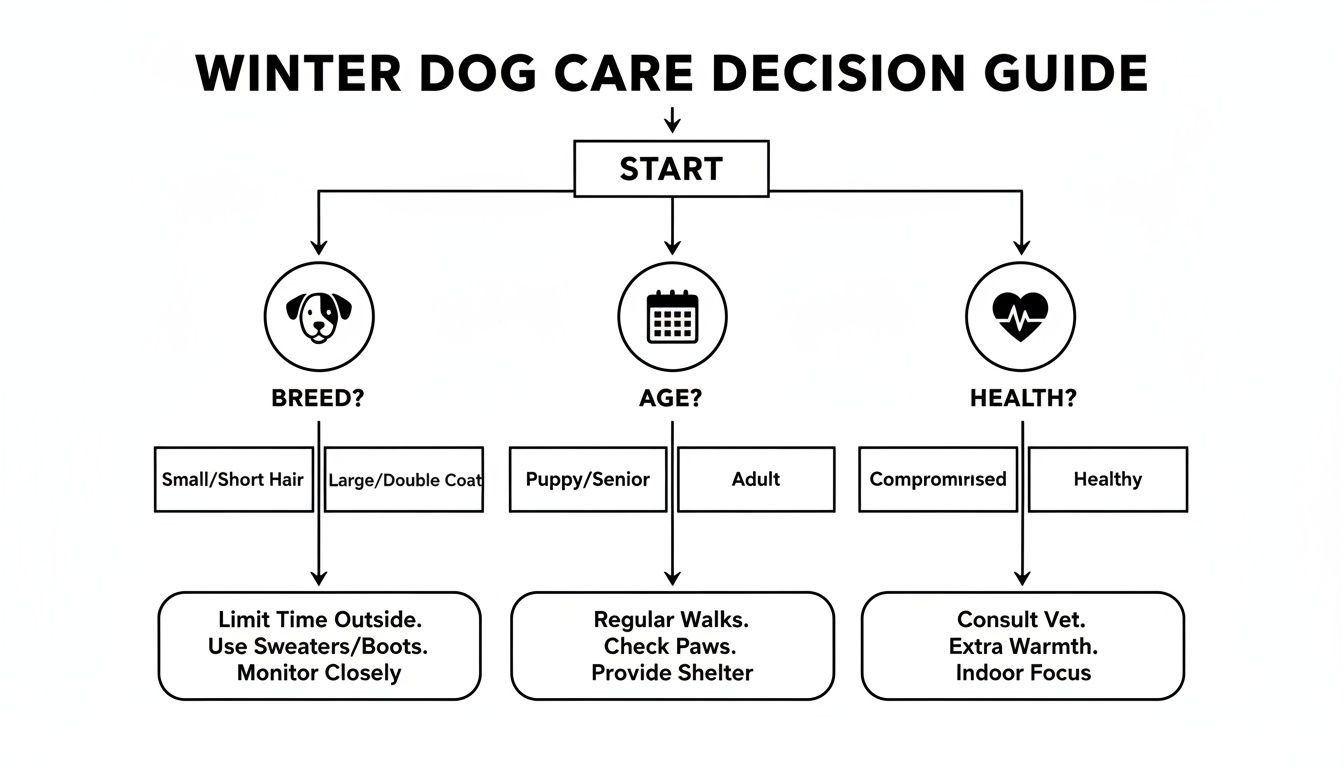
By thinking through your dog's specific profile—their breed, age, and health—you can get a much clearer picture of what they need to stay comfortable.
Age and Health Considerations
Puppies and senior dogs are always the most vulnerable to the cold. Young pups simply haven’t developed the ability to regulate their body temperature yet. Older dogs, on the other hand, often have a slower metabolism and less muscle mass, making it much harder to generate and retain heat.
The cold is especially tough on dogs with chronic health conditions.
For a senior dog with arthritis, cold weather isn't just uncomfortable—it's painful. The chill can cause joint fluid to thicken and tissues to contract, leading to increased stiffness and discomfort. An orthopedic bed and a warm coat can make a world of difference for their mobility and quality of life.
Assessing Individual Risk Factors
Beyond the obvious, a few other things come into play. A dog’s size and body composition matter a great deal; smaller breeds and lean dogs lose body heat much faster than their larger, stockier friends. Even their activity level makes a difference.
Knowing these variables is key to responsible winter care. It informs every decision, from how long you stay at the dog park to whether you need to invest in a quality winter jacket. Unfortunately, ignoring these individual needs can have devastating consequences. Tragic cases have shown what can happen when dogs are left exposed to freezing conditions, which is why it's so important to read more about these cold-weather risks and understand why our dogs belong inside with us.
Ultimately, your dog’s behavior is your best guide. If you see shivering, a sudden reluctance to go outside, or anxious behavior, they're telling you they’re too cold. Pay attention to these cues and their personal risk factors, and you'll be able to make smart choices that keep them safe and cozy all winter long.
Creating a Cozy Indoor Haven
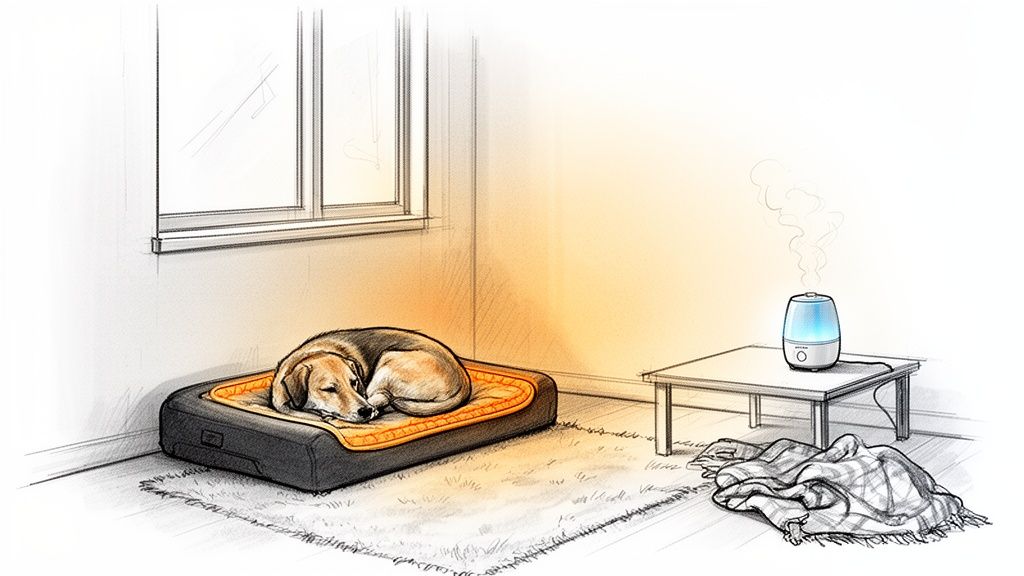
When the temperature drops, your dog's first line of defense is a warm, comfortable home. But creating a true winter sanctuary means more than just turning up the heat. A few thoughtful adjustments to their indoor environment can make all the difference in how they handle the season, keeping them safe and genuinely cozy.
The heart of any warm spot is a good bed. A dog bed sitting directly on a cold floor—think tile, concrete, or hardwood—will literally pull warmth away from their body. Simply elevating the bed a few inches off the ground can stop this heat loss in its tracks.
When you're setting up a safe space, looking into proper dog kennel size recommendations can also be a huge help. You want a crate or kennel that's snug enough to hold their body heat without being restrictive.
Choosing the Right Winter Bedding
Winter can be especially rough on senior dogs or any pup with joint pain. The cold has a nasty habit of aggravating arthritis, leading to stiffness and discomfort. For these dogs, an orthopedic bed is non-negotiable. It’s designed to cushion joints and provide critical support for aching bodies.
For other dogs, here are a few great options to consider for the colder months:
- Self-Warming Beds: These are brilliant. They use a special insulating material that reflects your dog's own body heat back at them, creating a naturally toasty spot without any cords or electricity.
- Heated Pads: If your dog gets chilled easily, a pet-safe, low-voltage heating pad tucked under their regular bedding provides gentle, consistent warmth.
- Extra Blankets: Don't underestimate the power of a few soft fleece blankets! They're perfect for dogs who love to burrow and are super easy to wash.
A common mistake is putting blankets in an outdoor doghouse where they can get damp and freeze, but for indoor use, they are perfect. A warm, supportive bed is one of the most effective ways to keep your dog comfortable all winter long.
Battling Drafts and Dry Air
Even in a well-heated house, a sneaky draft can create a seriously uncomfortable spot for your dog. A cold stream of air from under a door or a leaky window can quickly chill a resting pet. A great trick is to lie down on the floor where your dog usually sleeps—you'll feel any drafts right away. Use draft stoppers or simple weather stripping to seal up those gaps.
Finally, let's talk about the air itself. Winter air is incredibly dry, which often leads to itchy, flaky skin for our dogs. Running a humidifier in the room where your dog spends the most time adds much-needed moisture back into the air. This simple step can prevent the discomfort of dry skin and even soothe respiratory irritation, making their indoor haven truly comfortable from nose to tail.
Choosing Practical Winter Gear for Your Dog
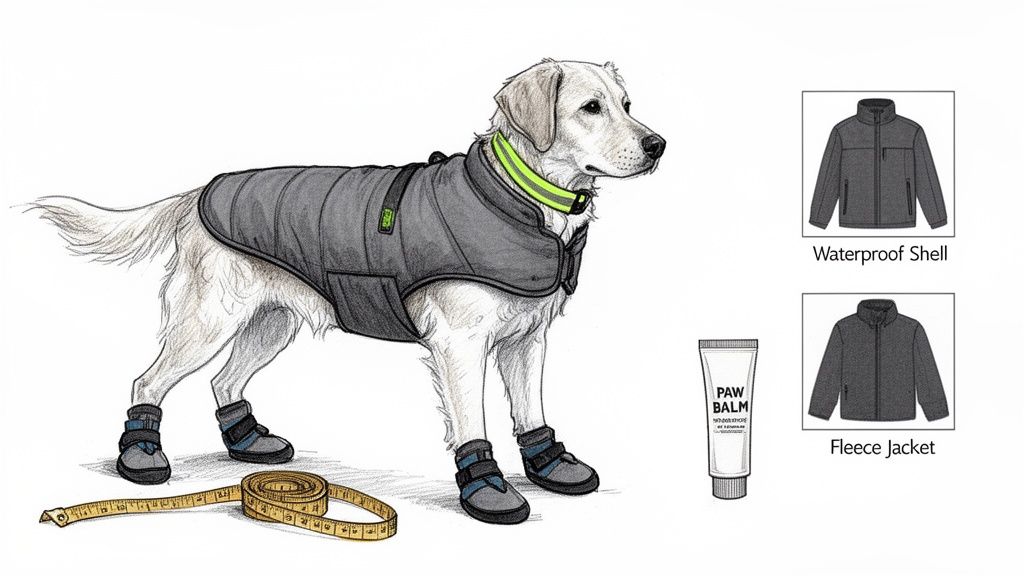
Walking into a pet store and seeing a wall of winter gear can be pretty overwhelming. But the right coat or a solid pair of booties isn't just about fashion; it's about making winter adventures safe and enjoyable. The goal is to find practical protection that keeps them comfortable without getting in the way of a good romp in the snow.
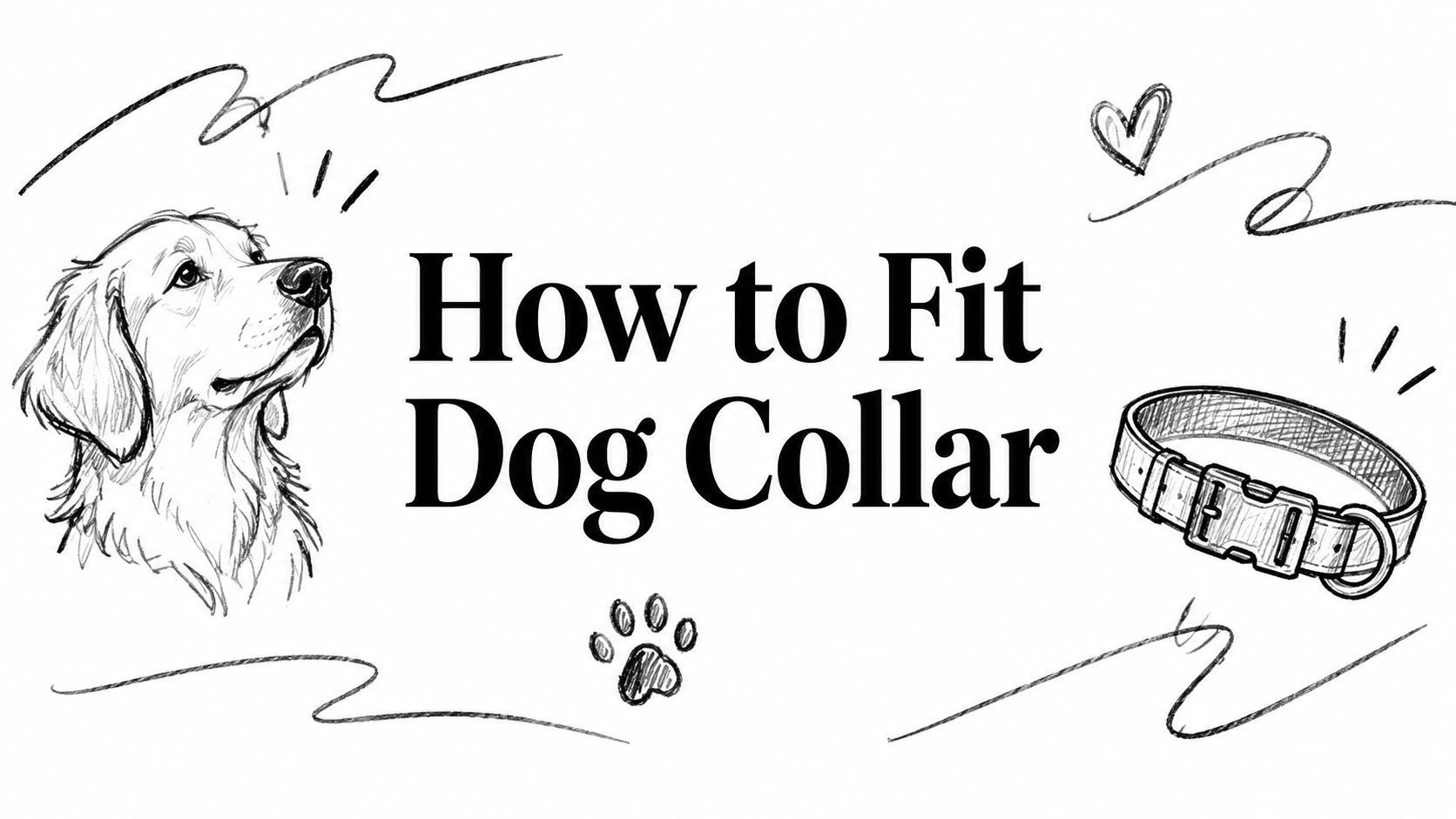
A proper fit is everything. A jacket that’s too snug will chafe and restrict their movement, but one that’s too loose is basically useless for trapping body heat. Before you even start browsing, grab a soft measuring tape and get your dog's key dimensions: length (base of the neck to the base of the tail), chest girth (the widest part of their ribcage), and neck .
Selecting the Right Dog Coat
Let's be honest, not all dog coats are made the same. The best one for your pup really hinges on their breed, the Denver weather that day, and what you’re planning to do.
- Waterproof Shells: These are your best friend for wet, heavy snow or that dreaded freezing rain. They create a crucial barrier that keeps their undercoat from getting soaked, which is a fast track to a dangerous chill. Many of the best ones come with a soft fleece lining for extra warmth.
- Insulated Fleece Jackets: For those crisp, cold, but dry days, a simple fleece jacket is often the perfect layer. They’re lightweight, cozy, and provide great insulation without the bulk of a heavy-duty parka. Think of it as the ideal choice for a short-haired dog on a quick neighborhood walk.
If you want the most bang for your buck, look for a coat that combines both: a waterproof outer layer with a removable insulated liner. It gives you the flexibility to adapt to whatever the Colorado skies throw at you.
Pro Tip: Always check the fit around the legs and belly. A great coat covers the core and chest but won't interfere with their ability to run, jump, or do their business.
Protecting Paws with Booties and Balms
Ah, dog booties. They can be a battle, but they offer critical protection from two major winter hazards: chemical ice melts and jagged, frozen ground. The salt and de-icing chemicals spread on sidewalks can cause painful chemical burns on their sensitive paw pads.
Getting your dog used to booties requires a little patience and a lot of treats. Start indoors for just a minute or two at a time, showering them with praise. Slowly work your way up until they’re comfortable trotting around in them.
If your dog puts up a fight and absolutely refuses to wear them, paw balm is a fantastic alternative. When you slather it on before a walk, it forms a protective wax barrier. Just be sure to wipe their paws with a warm, damp cloth when you get back home to remove any salt residue.
A Practical Guide to Dog Winter Gear
Feeling lost in the options? This table breaks down the different types of winter gear to help you find the best fit for your dog's specific needs and activities.
| Gear Type | Ideal For | Key Features to Consider |
|---|---|---|
| Waterproof Shells | Wet snow, freezing rain, slushy conditions. | Taped seams, adjustable straps, good belly coverage, harness port. |
| Insulated Fleece Jackets | Cold, dry days; short-haired breeds; layering. | Soft, non-pilling fleece; easy on/off design; machine washable. |
| Dog Booties | Icy sidewalks, deep snow, rocky/frozen trails. | Flexible sole, secure Velcro straps, water-resistant material. |
| Paw Balm | Dogs who won't wear booties; protection from salt/ice. | All-natural ingredients (like beeswax); moisturizing properties. |
| Reflective Vests/Collars | Early morning or evening walks; low-light conditions. | Bright colors, wide reflective strips for maximum visibility. |
Ultimately, the best gear is the gear your dog will actually wear comfortably. A little trial and error might be needed, but their safety is worth it.
Don't forget that even with the best gear, visibility is key. With shorter days and darker evenings, outfitting your dog with reflective gear is a simple but vital safety measure. A reflective collar, leash, or vest helps them stay visible to drivers and cyclists.
And when you're geared up and ready to hit the trails, check out our guide to some incredible paw-approved winter hikes near Denver for an unforgettable adventure.
Exercising Your Dog Safely in the Cold
Just because the temperature drops doesn't mean your dog's exercise routine needs to go into hibernation. Staying active is vital for their mental and physical well-being all year round. The trick is to be smart about it and adjust your approach to keep them safe from the winter chill.
Before you even think about grabbing the leash, take a moment to check the actual conditions outside. Pay close attention to the wind chill —it can make a 30-degree day feel more like 10, which is a huge difference for your pup. A good rule I always follow is this: if it's too cold for me to stand outside comfortably, it's definitely too cold for my dog, especially for smaller breeds, seniors, or those with short, thin coats.
It's natural to want to stay inside when it's freezing. Research confirms this, showing that 48.2% of owners are less likely to exercise their dogs in cold weather, a number that jumps to 64.0% when it’s icy. While understandable, this drop in activity can lead to boredom and extra winter weight. It just means we need a better plan.
Rethink Your Outdoor Routine
When winter hits, long, meandering walks are off the table. The name of the game is shorter, more frequent outings. This approach gives your dog the exercise they crave without risking dangerous overexposure to the cold.
Instead of one long 45-minute trek, try breaking it up into two or three brisk 15-minute walks. This keeps them moving and their core temperature up, significantly lowering the risk of frostbite on their paws, ears, and tail tip.
Watch your dog's body language like a hawk. Shivering, lifting paws off the cold ground, whining, or suddenly slowing down are all huge red flags. If you see any of these signs, cut the walk short and get them inside immediately.
Bring the Fun Indoors
Some days are just too brutal for outdoor play. When a blizzard hits or the temperature plummets into the single digits, it's time to turn your living room into a playground. A mentally tired dog is a happy dog.
Here are a few go-to indoor games that work wonders:
- Scent Games: Hide some high-value treats or a favorite toy around the house and let them sniff it out. This taps into their natural instincts and is incredibly engaging.
- Tug-of-War: A good old-fashioned game of tug is a fantastic way to burn off energy and strengthen their neck and core muscles.
- Puzzle Toys: Fill a puzzle toy with their kibble or treats. It’s a brilliant way to challenge their brain and make mealtime more exciting.
These are just a few ideas to get you started. For a deeper dive into winter activities, check out our guide on how to exercise a dog in winter safely.
Don't Forget Post-Walk Paw Care
This is non-negotiable. After every single walk, you need to clean your dog’s paws. Winter sidewalks are a minefield of salt and chemical de-icers that can cause nasty chemical burns and painful cracking on their paw pads.
I keep a shallow pan of warm water and a towel right by the door. As soon as we get inside, I gently dip and wipe each paw, making sure to clean between their toes where ice balls and chemical residue love to hide. This simple two-minute ritual prevents a world of hurt and stops them from licking off and ingesting those toxic chemicals.
Spotting the Early Signs of Cold Stress
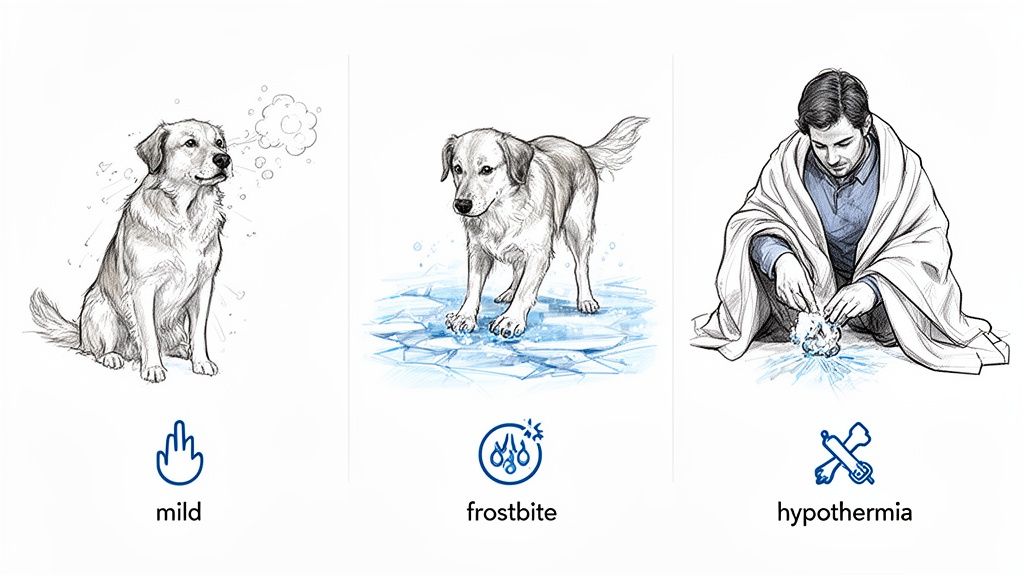
Keeping your dog safe in the winter goes beyond just buying them a cute coat. It’s about learning to read their signals and knowing when they’ve had enough. Dogs can't just tell us, "Hey, I'm freezing!" Instead, they show us. It's our job to pay attention and act before a simple chill turns into a real emergency.
The first clues are usually subtle changes in their behavior. You might notice your dog getting a bit anxious or starting to whine. A classic sign is when they start lifting their paws off the cold pavement or snow—that's a pretty clear message that their feet are uncomfortably cold. And, of course, there's shivering. Shivering is their body's automatic response to generate heat, and it means they're already losing the battle against the cold.
When Is It an Emergency?
You have to know the difference between a dog that’s just a little cold and one that’s in serious trouble. Recognizing the signs early is everything. It allows you to step in before things escalate into dangerous conditions like frostbite or hypothermia.
- Mild Cold Stress: This is your initial warning. Look for shivering, wanting to turn back home on a walk, or lifting their paws. The fix is simple: head indoors to a warm, dry spot right away.
- Frostbite: This is when tissue actually freezes. It’s most common on the parts of the body with the least protection, like their paws, ears, and the tip of their tail. The skin might look pale or grayish and feel strangely hard or brittle.
- Hypothermia: This is a severe drop in core body temperature, and it is a life-threatening emergency. Signs include intense shivering that might suddenly stop, followed by confusion, stumbling, lethargy, and shallow breathing.
If you even suspect your dog has frostbite or hypothermia, your first move should be calling your vet or the nearest emergency animal hospital. Getting them professional help is non-negotiable.
First Aid for Cold-Related Problems
When you see your dog is too cold, you need to act fast. If it’s just a case of shivering, getting them inside and wrapping them in a dry, warm blanket is often all it takes. But for more serious issues, your quick response is critical while you arrange for veterinary care.
What to Do for Frostbite:
- Get your dog into a warm room immediately.
- Use towels soaked in lukewarm water to warm the area slowly . Never use hot water, as it can cause more damage.
- Do not rub or massage the frostbitten area. This can destroy the frozen tissue.
- After warming, gently pat the area dry and wrap it loosely in a clean blanket.
It’s a powerful reminder that even breeds built for the cold have their limits. In places like Greenland, changing climate patterns have put even traditional sled dogs at risk, a situation that highlights a much larger global issue. You can read about the challenges facing these working dogs to understand the broader context. By learning to spot these early warnings in our own dogs, we can prevent a preventable tragedy.
We’ve walked through the big stuff, but there are always a few lingering questions that come up when the temperature really starts to drop. Let's tackle a couple of the most common ones I hear from fellow Denver dog owners.
Can My Dog Get Dehydrated in the Winter?
It sounds counterintuitive, but yes, absolutely . Dehydration is just as much a risk in the biting cold as it is on a hot summer day.
Think about it: every time your dog pants, they lose moisture. That dry, cold winter air actually pulls moisture from their respiratory system with every breath. It's easy to forget about water bowls when they aren't lapping up water after a hot run, but keeping fresh, unfrozen water available is non-negotiable.
Are "Pet-Safe" Ice Melts Actually Safe?
This is a tricky one. While products labeled “pet-safe” are certainly a better choice than traditional rock salt (which contains sodium chloride and can be toxic), they aren't completely harmless.
These safer alternatives can still cause irritation to your dog’s paw pads. The best defense is a good offense. After every single walk, make it a habit to wipe your dog's paws with a damp cloth to remove any residue.
Just like you’d learn how to keep an outdoor dog cool and safe in summer, mastering these winter-specific details is crucial for your dog’s well-being.
The Run Down