Bringing a new dog home is an incredibly rewarding experience, but it also comes with a steep learning curve. The initial months are pivotal for building a strong bond, establishing predictable routines, and setting the foundation for a lifetime of happy companionship. For many, navigating the responsibilities of exercise, training, health, and enrichment can feel overwhelming amidst a busy schedule.
This guide is designed to cut through the noise. We've compiled 10 specific, actionable tips for new dog owners to help you focus your energy where it matters most. Whether you're figuring out leash manners, preventing separation anxiety, or ensuring your high-energy pup gets enough stimulation, these insights provide a clear roadmap.
We'll cover the practical essentials you need to raise a confident, well-behaved, and healthy dog. For busy professionals in Denver, we’ll also highlight how local services like Denver Dog can provide crucial support, ensuring your new family member thrives even when you're at work. This comprehensive list offers the practical steps needed to make your first year together a resounding success and build a partnership that lasts. Let's dive into the strategies that will help you start strong.
1. Establish a Consistent Exercise Routine from Day One
One of the most impactful tips for new dog owners is to establish a predictable daily exercise schedule immediately. A consistent routine helps your dog understand when to expect activity and when to be calm, which is crucial for managing energy levels and preventing destructive behaviors like chewing or excessive barking. This structure builds a strong foundation for good habits, reduces anxiety, and strengthens the bond between you and your new companion.
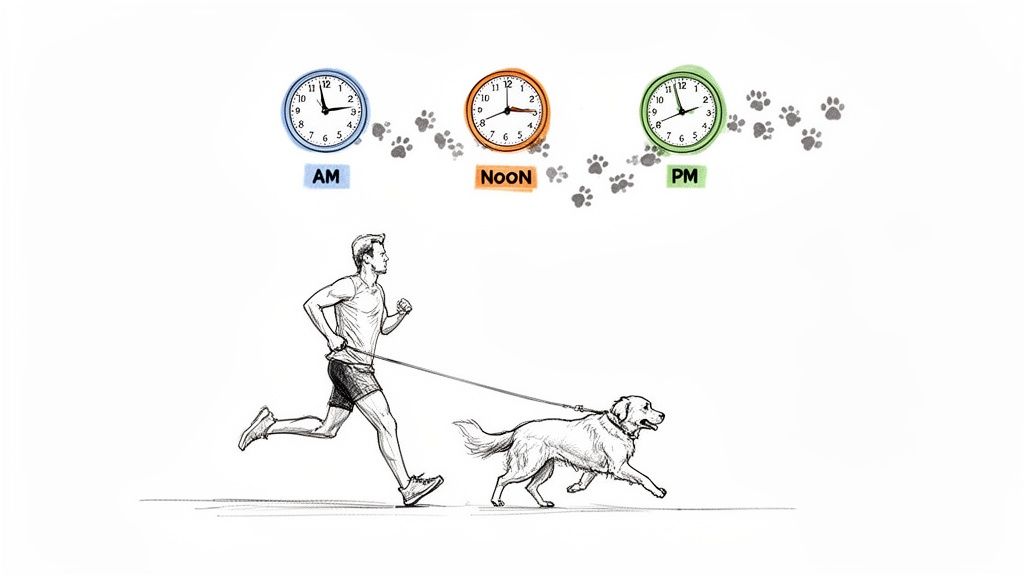
This predictability is beneficial for all dogs, from energetic puppies developing leash skills to senior dogs who thrive on gentle, regular walks to maintain joint health. For busy Denver professionals, maintaining this consistency can be a challenge. Services like Denver Dog Joggers offer a reliable solution, ensuring high-energy breeds get the vigorous exercise they need even when your work schedule is demanding.
How to Implement a Consistent Routine
- Set Consistent Times: Aim for walks or runs at the same times each day, such as early morning, midday, and evening.
- Start Appropriately: Begin with shorter, manageable sessions, especially for puppies or newly adopted dogs. Gradually increase the duration and intensity as their stamina improves.
- Vary the Activity: Keep exercise engaging by mixing activities. Alternate between structured walks, vigorous runs, and enriching hikes on local Denver trails to provide both physical and mental stimulation.
- Adjust for Your Dog: Tailor the intensity and type of exercise to your dog's specific breed, age, and health condition. A Border Collie's needs will differ vastly from a Basset Hound's.
2. Invest in Proper Leash Training and Walking Techniques
Teaching your dog to walk politely on a leash is fundamental to both safety and enjoyment for every new dog owner. Proper leash training prevents pulling, lunging, and escaping, transforming walks from a stressful struggle into a pleasant bonding activity. This skill is especially critical for high-energy breeds in a busy urban environment like Denver, as a well-behaved dog is easier and safer to manage around traffic, cyclists, and other pets.
A strong foundation in leash manners ensures you can confidently take your dog anywhere. For instance, a Labrador owner working with the experienced team at Denver Dog can learn professional handling techniques that make every personal walk calmer and more controlled. Investing in this training pays dividends, turning a dog that constantly pulls into a reliable companion within weeks. It also helps you understand their cues and body language on walks for a safer experience.
How to Implement Proper Leash Training
- Use the Right Gear: Start with a no-pull harness, especially for dogs over 40 pounds, to gently discourage pulling without causing neck strain.
- Practice the 'Stop-and-Wait' Method: The moment your dog pulls, stop walking completely. Only resume when the leash is slack. This teaches them that pulling gets them nowhere.
- Reward the Right Position: Use high-value treats to reward your dog for walking calmly beside you, reinforcing that this is the desired behavior.
- Keep Training Sessions Short: Begin with brief, focused sessions of 10-15 minutes to keep your dog engaged and prevent frustration.
- Be Patient and Consistent: Leash manners take time to develop. Consistency from every person who walks the dog is key to success.
3. Choose Age and Breed-Appropriate Exercise Intensity
A critical tip for new dog owners is understanding that exercise is not one-size-fits-all. Different dog breeds and life stages have vastly different needs. High-energy working breeds require intense daily activity to stay balanced, while toy breeds thrive on lighter, shorter exercise sessions. Tailoring the activity to your dog's specific requirements is essential for preventing injury, obesity, and behavioral issues stemming from unspent energy.
This customized approach ensures your dog gets precisely what they need to thrive. For instance, a young Border Collie benefits immensely from structured runs that satisfy its working drive, preventing destructive behaviors at home. Conversely, a Dachshund needs moderate, consistent walks to maintain a healthy weight without straining its vulnerable spine. A senior Labrador can maintain fitness and mobility through low-impact hikes that don't stress its aging joints. This thoughtful approach to exercise is a cornerstone of responsible dog ownership.
How to Implement Breed-Specific Exercise
- Research Your Breed: Start by researching the typical energy requirements and exercise recommendations for your dog’s breed.
- Consult Your Vet: Always discuss appropriate exercise plans with your veterinarian, especially for growing puppies whose joints are still developing. For example, high-impact activities like jumping should often be avoided until they are 12-18 months old.
- Adjust for Age: Puppies need short, frequent play sessions, while adult dogs need more structured and intense workouts. Senior dogs benefit from gentle, consistent movement. You can learn more about Labrador exercise requirements by age to see how needs evolve.
- Monitor Your Dog: Watch for signs of overexertion, such as excessive panting, limping, or a reluctance to continue. Adjust the intensity based on your individual dog's fitness and response.
4. Schedule Regular Veterinary Checkups and Preventive Care
Establishing a strong relationship with a trusted veterinarian is one of the most crucial tips for new dog owners. Regular checkups are fundamental to a long, healthy life, as they allow for early detection of potential health issues, ensure vaccinations are current, and create a vital baseline health record for your dog. This proactive approach is always more effective and less costly than treating advanced illnesses that could have been prevented.
Scheduling an initial visit within the first week of bringing your new dog home is essential. This first appointment allows a veterinarian to perform a thorough physical exam, confirm the health status provided by a breeder or shelter, and establish a preventive care plan. For instance, an early checkup might identify the beginnings of hip dysplasia in a large breed puppy, enabling a proactive management plan that protects their joints for years to come.
How to Implement a Proactive Health Plan
- Schedule Promptly: Book that first veterinarian appointment as soon as you know your dog's arrival date. This prevents delays in crucial early-life care.
- Discuss Lifestyle: Be prepared to discuss your dog's diet, exercise routine, and environment. This helps your vet offer tailored advice on everything from nutrition to parasite control; comprehensive resources on battling flea infestation can be especially helpful for new owners.
- Follow a Schedule: Work with your vet to create a schedule for vaccinations, deworming, and annual wellness exams. Senior dogs, typically over age seven, may require more frequent visits.
- Keep Records: Maintain a file with all your dog's health records, including vaccination dates, medications, and any diagnosed conditions.
5. Provide Mental Stimulation and Enrichment Activities
Physical exercise is only half the equation for a well-behaved dog. Providing consistent mental stimulation is one of the most vital tips for new dog owners, as it prevents boredom, reduces anxiety, and channels a dog's natural instincts into positive outlets. Enrichment activities engage your dog's brain, encouraging problem-solving skills and building confidence, which can significantly decrease destructive behaviors like chewing or nuisance barking.
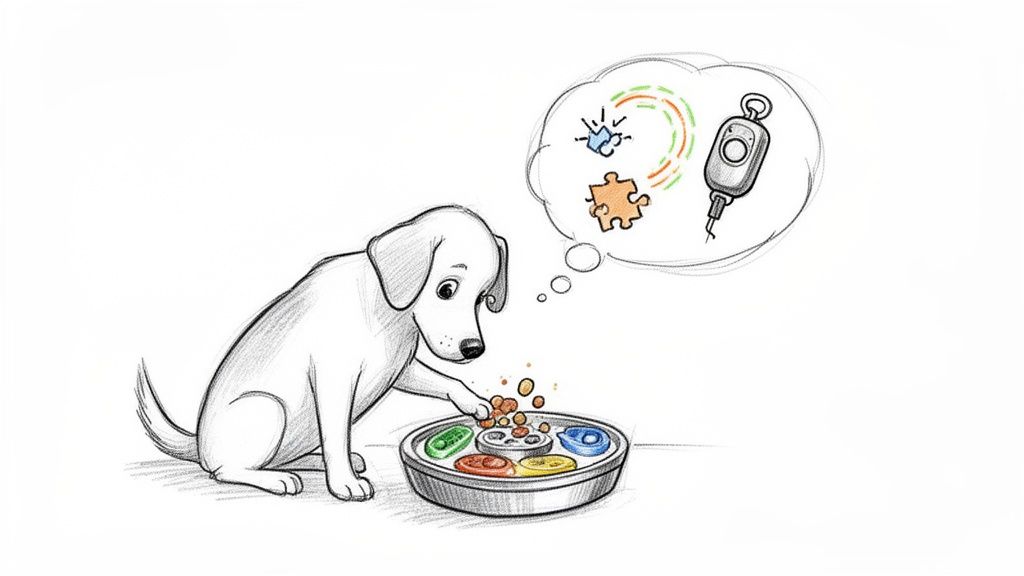
A tired dog is a good dog, but a mentally fulfilled dog is even better. Engaging their minds is crucial for breeds bred for intelligence and work, such as Border Collies or German Shepherds. For Denver professionals with demanding schedules, services offering varied enrichment are invaluable. For example, a structured trail adventure with Denver Dog Hikers provides far more than just exercise; it offers complex environmental scent work and novel terrain that deeply satisfies a dog's instinct to explore.
How to Implement Mental Enrichment
- Make Mealtime a Game: Swap the food bowl for a puzzle feeder or snuffle mat. This turns a five-minute meal into a 15-minute problem-solving session.
- Introduce Scent Work: Hide high-value treats around a room and encourage your dog to "find it." This simple nose work game is incredibly stimulating and easy to set up.
- Rotate Toys: Keep a stash of toys and rotate them every few days to maintain novelty and prevent your dog from getting bored with the same old options.
- Vary Your Walking Routes: Don't stick to the same path every day. Exploring new streets, parks, or trails provides your dog with a wealth of new smells and sights to process.
6. Establish Clear Boundaries, Rules, and Positive Reinforcement Training
One of the most foundational tips for new dog owners is establishing clear structure through consistent rules and positive reinforcement. Dogs are not born understanding human expectations; they thrive in an environment where the rules are predictable and learning is a positive experience. This approach builds confidence, prevents confusion, and nurtures a relationship based on trust rather than fear or intimidation.
Using positive reinforcement means rewarding desired behaviors with things your dog loves, like treats, praise, or toys. This method is scientifically proven to be more effective and humane than punishment-based techniques. It teaches your dog what you want them to do, rather than just punishing what you don't. A dog trained with positive reinforcement is more likely to be enthusiastic about learning and less likely to develop anxiety or aggression.
How to Implement Positive Reinforcement and Boundaries
- Decide on House Rules Early: Before your dog comes home, agree on rules with everyone in the household. Is the dog allowed on furniture? Where will they sleep? Consistency from every person is key.
- Reward the Good: Immediately reward behaviors you like. If your dog sits politely instead of jumping, give them a high-value treat. Timing is crucial for them to make the connection.
- Redirect Unwanted Behavior: Instead of scolding your dog for chewing on a shoe, redirect their attention to an appropriate chew toy and praise them when they engage with it.
- Keep Training Sessions Short: Dogs, especially puppies, have short attention spans. Keep formal training sessions to just 5-10 minutes, multiple times a day, to maximize focus and retention.
- Avoid Aversive Methods: Never use physical punishment, choke chains, or intimidation. These methods can create fear, break your bond, and often worsen behavioral problems.
7. Create a Safe Home Environment and Manage Escape Risks
One of the most vital tips for new dog owners is dog-proofing your home to prevent injuries, toxic exposures, and escapes. A secure environment allows your new companion to explore and settle in safely, significantly reducing stress for both of you. By identifying and removing potential hazards and securing boundaries, you create a sanctuary where your dog can thrive without constant supervision or risk.
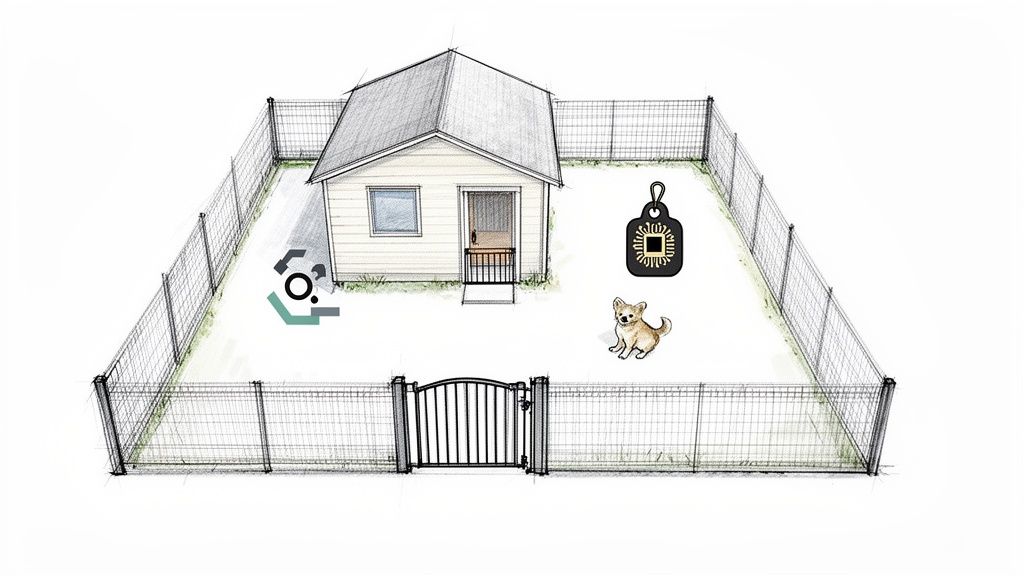
This proactive approach is crucial from the moment your dog arrives. For instance, ensuring your yard has secure, high fencing allows for safe off-leash play, a key component of the enrichment offered during professional hiking sessions. Beyond establishing a safe home environment, it's also important to be aware of resources on safe pet travel items if you ever need to transport your dog, ensuring their comfort and security on the go.
How to Implement a Safe Home Environment
- Secure All Boundaries: Regularly inspect fences for gaps or weaknesses and make immediate repairs. Consider adding a double gate or an "airlock" system at entry points to prevent door-dashing.
- Remove Potential Toxins: Securely store all cleaning supplies, medications, and human foods toxic to dogs (like chocolate, grapes, and onions). Check that your house and yard plants are non-toxic.
- Use Redundancy for Safety: Ensure your dog is microchipped immediately and that your contact information is always current with the registry. A collar with updated ID tags provides a critical second layer of protection.
- Establish Safe Zones: Use baby gates to block access to unsafe areas, like workshops or kitchens during cooking. Provide a designated "safe space" such as a crate or a quiet room where your dog can retreat when feeling overwhelmed.
8. Prioritize Early Socialization and Exposure Experiences
One of the most crucial tips for new dog owners is to prioritize early socialization. This process involves safely exposing your puppy to various sights, sounds, people, and other animals during their critical learning period (typically 3 to 16 weeks). Proper socialization helps your dog build a foundation of confidence, preventing fear, anxiety, and aggression later in life. A well-socialized dog grows into a well-adjusted adult comfortable in a wide range of situations.
This early exposure is about creating positive associations with the world. A puppy safely introduced to city noises, different types of people, and friendly dogs is more likely to navigate Denver's bustling parks and patios with ease. Conversely, a lack of positive exposure can lead to a lifetime of behavioral challenges. The goal is to teach your dog that new things are safe and even enjoyable, not scary or threatening.
How to Implement Early Socialization
- Start Safely: Begin in a controlled environment. Invite vaccinated, friendly adult dogs and diverse, respectful visitors to your home.
- Create Positive Associations: Use high-value treats and praise during every new experience, whether it's hearing a vacuum cleaner or walking on a different surface like grass or pavement.
- Go Beyond Dogs: Socialization isn't just about other dogs. Expose your puppy to people of all ages and appearances, car rides, strollers, bicycles, and common objects like umbrellas and hats.
- Never Force Interactions: Let your puppy approach new things at their own pace. Forcing them into a situation they find scary can create a negative association that is difficult to undo. Quality over quantity is key.
9. Manage Separation Anxiety and Build Independence Skills
One of the most important tips for new dog owners is to proactively teach your dog how to be comfortable alone. As social animals, dogs can develop separation anxiety when left by themselves, leading to destructive behaviors, excessive barking, and house soiling. By building independence skills from the start, you can prevent this distress and foster a confident, well-adjusted companion who understands that your departures are not permanent.
This approach is vital for creating a calm household and a secure dog. For instance, a puppy that learns to love its crate from day one sees it as a safe den, not a punishment. For busy Denver professionals, ensuring your dog has positive experiences while you're away is key. Services like Denver Dog offer structured midday walks, breaking up the day and reinforcing the idea that being separated from you can be a positive, engaging experience. This consistency helps prevent the onset of anxiety.
How to Build Your Dog’s Independence
- Make the Crate a Sanctuary: Introduce crate training immediately with positive reinforcement. Feed meals and offer special high-value toys only inside the crate to build a strong positive association.
- Practice Short, Calm Departures: Start by leaving for just a few minutes at a time. Return calmly without making a big fuss to teach your dog that your comings and goings are normal, low-key events.
- Exercise Before You Leave: A well-exercised dog is more likely to rest and relax while you are away. A brisk walk or run can make a significant difference in their ability to settle down.
- Provide Mental Stimulation: Leave your dog with a puzzle toy or a frozen Kong to keep their mind occupied after you leave. This redirects their focus from your absence to a rewarding task. Learn more about preventing separation anxiety in dogs with these practical steps.
10. Understand Nutrition, Weight Management, and Feeding Protocols
Proper nutrition is the cornerstone of your dog's overall health, directly impacting everything from their energy levels and coat quality to their joint health and lifespan. For new dog owners, mastering feeding protocols is a critical skill. Understanding appropriate food types, portion control, and weight management can prevent obesity, one of the most common and damaging health issues in dogs. This proactive approach ensures your active companion is properly fueled for a long, healthy life.
The nutritional needs of a high-energy dog participating in regular runs are vastly different from those of a more sedentary companion. For instance, a dog running several times a week with a service like Denver Dog Joggers requires a calorie-dense, high-protein diet to support muscle repair and energy output. Failing to adjust their food can lead to weight loss and poor performance, highlighting why a tailored nutritional strategy is essential.
How to Implement Proper Feeding Protocols
- Choose High-Quality Food: Select a food that meets AAFCO (Association of American Feed Control Officials) standards and is appropriate for your dog's life stage, size, and activity level.
- Practice Portion Control: Use a measuring cup or scale to provide precise portions. Avoid "free-feeding" where food is left out all day, as this is a primary cause of obesity.
- Adjust for Activity: On days your dog has a vigorous run or a long hike, they may need slightly more calories. On rest days, they will need less. Monitor their body condition to make adjustments.
- Maintain a Schedule: Feed adult dogs once or twice a day at consistent times to establish a predictable routine, which aids digestion and house training. Puppies require more frequent meals, typically three to four times a day.
- Monitor Body Condition: You should be able to feel your dog's ribs easily without a thick layer of fat, and they should have a visible waist when viewed from above. Your veterinarian can show you how to assess this.
10-Point Comparison: New Dog Owner Tips
| Strategy | 🔄 Implementation Complexity | ⚡ Resource Requirements | 📊 Expected Outcomes | Ideal Use Cases | ⭐ Key Advantages + 💡 Quick Tip |
|---|---|---|---|---|---|
| Establish a Consistent Exercise Routine from Day One | Moderate — habit-building and schedule adherence | High time commitment; can outsource to weekday services | Predictable energy levels; fewer behavioral issues | Puppies, high-energy breeds, busy professionals | ⭐⭐⭐⭐ Strengthens bond & prevents destructive behavior. 💡 Start short, keep consistent times |
| Invest in Proper Leash Training and Walking Techniques | Moderate — repeated practice and patience | Low–medium: harnesses, short training sessions, or pro trainer | Safer walks; reduced pulling and handler injury | All owners; essential for high-energy or strong breeds | ⭐⭐⭐⭐ Enables safer outings and control. 💡 Use no-pull harness; short, frequent sessions |
| Choose Age- and Breed-Appropriate Exercise Intensity | Moderate — research + vet guidance | Medium: vet consults, tailored sessions or pro handlers | Fewer injuries; optimized fitness and behavior | Puppies, seniors, working breeds, mixed-breed assessment | ⭐⭐⭐⭐ Prevents overexertion and targets wellness. 💡 Consult vet; monitor for overexertion |
| Schedule Regular Veterinary Checkups and Preventive Care | Low–Moderate — appointment logistics and records | High: ongoing veterinary costs and time | Early detection; disease prevention; baseline health | New owners, all life stages, breeds with genetic risks | ⭐⭐⭐⭐⭐ Crucial for long-term health. 💡 Schedule first visit within first week |
| Provide Mental Stimulation and Enrichment Activities | Moderate — planning and rotating activities | Medium: toys, training time, occasional classes | Reduced boredom; less destructive behavior; cognitive engagement | Intelligent or high-drive breeds; indoor dogs | ⭐⭐⭐⭐ Tiring mentally as well as physically. 💡 Rotate toys and use puzzle feeders |
| Establish Clear Boundaries, Rules, and Positive Reinforcement Training | Moderate — requires consistency across household | Low–medium: time, treats, possibly trainer | Better manners; reduced anxiety and fear-based behaviors | Multi-person households; puppies; reactivity issues | ⭐⭐⭐⭐ Humane, effective learning method. 💡 Decide rules in advance; short training sessions |
| Create a Safe Home Environment and Manage Escape Risks | Moderate — home modifications and regular checks | High: fencing, microchip, maintenance supplies | Fewer accidents; lower escape/loss risk; reduced emergency vet visits | Homes with yards, escape-prone dogs, renters (adaptations) | ⭐⭐⭐⭐ Prevents costly incidents and loss. 💡 Microchip + ID tags; inspect fences monthly |
| Prioritize Early Socialization and Exposure Experiences | High — time-sensitive, carefully controlled exposures | Medium: puppy classes, supervised outings, pro guidance | Confident, adaptable adults; reduced reactivity and fear | Puppies (3–16 weeks); dogs destined for public or service roles | ⭐⭐⭐⭐⭐ Critical for lifelong behavior. 💡 Ensure exposures are positive and controlled |
| Manage Separation Anxiety and Build Independence Skills | High — gradual desensitization and consistency | Medium: crate, enrichment toys, pro services, possible vet support | Reduced destructive behavior and excessive vocalization; improved independence | Dogs showing anxiety; owners away long hours | ⭐⭐⭐ Helps independence but may take months. 💡 Start crate training early; practice short departures |
| Understand Nutrition, Weight Management, and Feeding Protocols | Moderate — monitoring, adjustments, possible vet nutrition | Medium–High: quality food cost, scales, vet consults | Improved energy, weight control, longer lifespan, joint health | All dogs; especially active, growing, or overweight dogs | ⭐⭐⭐⭐ Foundational to overall health. 💡 Measure portions and adjust for activity level |
Building a Lasting Bond Through Consistent Care
The journey of welcoming a new dog into your life is an adventure filled with exciting firsts, learning curves, and immense rewards. As you move forward from this guide, remember that the foundation of a healthy, happy relationship with your canine companion is built on a framework of consistency, patience, and proactive care. The collection of tips for new dog owners we've explored isn't just a checklist to be completed; it's a holistic approach to integrating a new member into your family and ensuring they thrive.
From establishing a predictable daily routine for exercise and feeding to investing time in positive reinforcement training, every action you take reinforces your bond and builds trust. The effort you put into leash manners, recall training, and early socialization today will prevent behavioral challenges tomorrow and create a well-adjusted, confident adult dog.
Key Takeaways for Lasting Success
As you navigate the early days and months, keep these core principles at the forefront of your mind:
- Consistency is Your Superpower: Dogs are creatures of habit. Consistent schedules for walks, meals, and potty breaks create a sense of security and help them understand what is expected of them. This predictability reduces anxiety and accelerates learning.
- Proactive Health is Non-Negotiable: Don't wait for problems to arise. Regular vet checkups, consistent preventive care, and a keen eye on their nutrition and weight are the cornerstones of a long and healthy life. You are your dog's primary health advocate.
- A Tired Dog is a Happy Dog (But a Fulfilled Dog is Even Happier): Physical exercise is critical, but it's only half the equation. Mental stimulation through puzzle toys, training games, and enrichment activities prevents boredom, channels destructive energy, and strengthens their cognitive abilities.
Embracing these concepts means you're doing more than just meeting your dog's basic needs. You are actively cultivating a partnership built on mutual respect and understanding. Every training session, every structured walk, and every quiet moment of connection deepens the incredible bond you share. The journey won't always be perfect, but celebrating the small victories and learning from the challenges is part of the beautiful process of growing together.
This comprehensive approach, covering everything from safety protocols to mental enrichment, provides the essential tools for a successful start. By mastering these foundational tips for new dog owners , you are setting the stage for a lifetime of companionship, loyalty, and unconditional love.
For busy Denver professionals, maintaining this level of consistency can be a challenge. Denver Dog provides the perfect solution, offering expert-led dog runs, adventure hikes, and reliable walks to ensure your new companion gets the structured exercise and enrichment they need to flourish. Explore our services at Denver Dog and let us become a trusted partner in your dog's care.
The Run Down