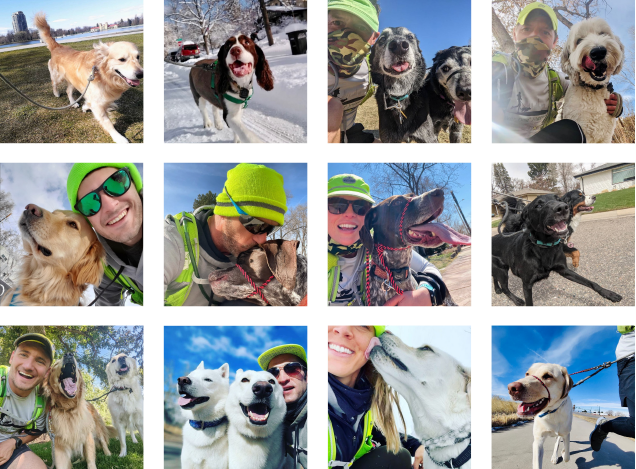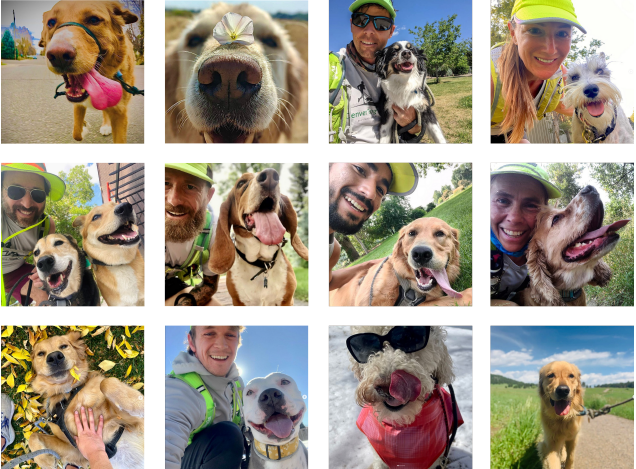
Getting ready for a new puppy is about more than just a shopping trip. It's about thoughtfully creating a safe, calm, and structured world for them to step into. When you do the prep work upfront, you’re setting the stage for a much smoother transition, minimizing stress for both of you from the moment they cross the threshold.
Your Pre-Puppy Home Setup Guide
Bringing a puppy home is pure joy, but that excitement can quickly unravel without a good plan. The very first thing to do is get down on your hands and knees and see your home from a puppy’s perspective. Seriously, crawl around. You’ll be shocked at what you find.
Suddenly, you’ll notice the tempting electrical cords behind the TV, the cleaning supplies under the sink, and all the tiny things on the floor that could easily become a choking hazard. This "puppy-proofing" deep dive is your first and best defense against a preventable emergency.

Creating a Safe and Designated Puppy Zone
Every puppy needs a "home base"—a secure spot where they can learn to be alone and you can relax knowing they're safe. This isn’t a time-out corner; it's their personal sanctuary. A kitchen or laundry room often works great because of the easy-to-clean floors, especially when sectioned off with a baby gate.
Inside this zone, place their crate. The goal is to make the crate their cozy den, never a place of punishment. Pad it with a soft bed, add a safe chew toy, and let it become their retreat. This little den is an invaluable tool for potty training and teaching your puppy how to settle down.
As you prepare, think about your furniture, too. A few well-placed pet friendly couch covers can save you a ton of stress by protecting your sofas from the inevitable muddy paws, shedding, and little accidents.
Gathering the Right Supplies
Walking into a pet store can feel overwhelming, with endless aisles of gadgets and gizmos. Instead of grabbing everything in sight, focus on quality essentials that will truly support your puppy’s health and training from day one.
Here’s a shopping list to get you started on the essentials.
Essential New Puppy Shopping List
| Category | Essential Items | Pro-Tips and Considerations |
|---|---|---|
| Feeding | High-quality puppy food, Sturdy food & water bowls | Choose food for your puppy's expected adult size. Stainless steel or ceramic bowls are best, as they are durable and easy to clean. |
| Housing | Crate (appropriately sized), Comfortable bedding | The crate should be just big enough for them to stand up and turn around in. A divider can help it "grow" with them. |
| Potty Training | Puppy pads, Enzymatic cleaner | Even if you plan to train outdoors, pads are useful for the first few weeks. Enzymatic cleaners completely eliminate odors to prevent re-marking. |
| Toys | Chew toys (e.g., Kong), Puzzle toys, Soft toys | Get a variety of textures. Durable rubber toys are perfect for teething, while puzzle toys provide crucial mental stimulation. |
| Walking & ID | Collar or harness, Leash, ID tags | A harness is often better for small breeds to protect their delicate necks. Get tags engraved with your phone number before you bring them home. |
| Grooming | Puppy shampoo, Soft brush, Nail clippers | Start gentle grooming sessions early and keep them short and positive to build a good association. |
This checklist covers the foundational items you'll need to create a safe and enriching environment right from the start.
Remember, the goal of your home setup is to prevent bad habits before they start. By managing the environment, you make it easy for your puppy to make good choices, setting a foundation for a well-behaved companion.
Establishing Your Support System
One of the most overlooked aspects of new puppy preparation is building your "village." You're going to need help, whether it's for an emergency, a night out, or just some emotional support when the "puppy blues" hit (and they are very real).
Line up these key people before your puppy comes home:
- A Trusted Veterinarian: Don't wait for an issue. Find a vet you like and schedule a "welcome" visit within the first week to get a health baseline and a vaccination plan.
- A Backup Caregiver: Have a friend, family member, or professional pet sitter on speed dial for those times you can't be there. Do a meet-and-greet in advance.
- A Professional Trainer or Service: Especially in an active city like Denver, having a pro on your team is a game-changer. Researching puppy classes or structured exercise programs now means you'll know exactly who to call when you need it.
Setting up your home is the first chapter of your story together. For more strategies on navigating early puppyhood, check out our guide on the 10 essential tips for new dog owners in 2026. This prep work builds a predictable, safe world where your puppy can relax and let their personality shine.
The First 24 Hours: Your New Life Begins
That car ride home is the first page in your new story together, and it really does set the tone. Think about it from their perspective: your puppy has just left behind their mom, their siblings, and the only world they've ever known. It’s a lot to take in, and frankly, it can be terrifying. Your number one job during these first 24 hours is to be a calm, reassuring presence.
This isn't the time to start cramming in obedience commands or planning a puppy party with the whole neighborhood. The real goal is to make this transition as smooth and gentle as you can. All that new puppy preparation you did? This is where it pays off, turning what could be a super stressful day into the first step of building a deep, trusting bond.
From Car to Curb: The Arrival
Before you even turn the key, get your puppy secured. A travel crate or a dedicated puppy car seat in the back is non-negotiable—a loose puppy is a huge safety risk. If you were able to get a blanket with the scent of their mom or littermates, tuck it inside the crate. It works wonders. Then, just drive smoothly and talk to them in a low, soothing voice.
The second your car is in park, head straight for the designated potty spot. Don’t even think about a grand tour of the house yet. Leash them up and walk directly to that patch of grass. After being cooped up in the car, they'll almost certainly need to go. When they do, give them some quiet but happy praise and a really tasty treat. Just like that, you've successfully completed potty training lesson number one.
Here's something to keep in mind: you've brought home a baby animal who has no idea what's going on. Lead with empathy. When you feel a flash of frustration, take a breath and remember they don't know the rules yet. The patience you show right now builds the foundation for everything to come.
A Safe Space and the First Meal
Once you're inside, take your puppy straight to their new "den"—that safe zone you set up with their crate, bed, and water. At first, keep their world small by using baby gates or closing doors. A whole house can be incredibly overwhelming. Just sit on the floor and let them come to you, sniff around, and take it all in on their own terms.
When it's time for their first meal, it's best to stick with the same food they were eating before they came to you. A sudden diet change on top of all the other newness is a recipe for an upset stomach.
- Serve a small portion. Stress can zap their appetite, so don't be surprised if they don't eat much.
- Keep it quiet. Feed them in their safe space, away from the hustle and bustle of the household.
- Don't hover. Give them some privacy to check out their food and eat without feeling watched.
This low-key, structured approach quickly teaches them that this new place is safe and it’s where good things happen.
Getting Through the First Night
The first night is often the hardest. Your puppy will probably cry or whine in their crate—it’s completely normal. They’re not trying to be difficult; they're calling out for the family they just lost.
For the first week or so, put their crate right next to your bed. Just being able to see, smell, and hear you is a massive comfort. If the whining starts, you can quietly say their name or stick your fingers through the crate door. This lets them know they aren't alone while still reinforcing that the crate is their sleeping space.
Getting these early routines right is so important. A record 4.2 million cats and dogs found new homes in 2026, with many adopted by busy professionals right here in Denver. You can explore more pet adoption statistics and trends to see just how many people are navigating this same journey.
Making Sense of the First Month: Building Your Puppy's Routine
Once you’ve survived the blur of that first day and night, the next four weeks are all about creating a predictable world for your puppy. This is where the real work—and the real bonding—begins. Puppies thrive on predictability; it’s what helps them feel safe, understand the rules, and learn what you expect from them. A solid routine is the bedrock of a calm, confident dog.
Think of it as teaching them the rhythm of your home. When meals, potty breaks, naps, and playtime happen on a consistent schedule, you’re not just managing a puppy—you’re building a foundation of trust and security.
This timeline gives you a snapshot of how those very first moments start to shape the bigger picture.

As you can see, the routine starts the second they get in the car. Every step—from the first successful potty break to settling into the crate—is a building block for the days and weeks to come.
The Four Pillars of a Solid Puppy Routine
A good puppy schedule really boils down to balancing four critical activities. The goal is to create a daily flow that meets all your puppy's needs proactively, not after the fact when you're cleaning up a mess or dealing with a furry terror.
- Feeding: Consistency is key. Most puppies under six months do best with three meals a day.
- Potty Breaks: This is the big one. Young puppies need to go out constantly —first thing in the morning, last thing at night, after every nap, after every play session, and after every meal.
- Sleep: Just like toddlers, puppies need a staggering amount of sleep, often 18-20 hours a day . Enforced naps in their crate are an absolute game-changer.
- Play & Training: Keep it short and sweet. Quick, fun sessions of play and training build your bond and tire them out in a healthy way.
One of the biggest mistakes new owners make is waiting for the puppy to signal a need. A successful routine is proactive. You take them out before they even think about having an accident and put them down for a nap before they turn into an overtired, bitey monster.
A Flexible Framework for Your Day
Don't get hung up on a rigid, minute-by-minute schedule. Life happens! Instead, think in terms of a repeating cycle: potty, eat, play, potty, nap, repeat. This simple framework provides the structure your puppy craves while still giving you the flexibility you need.
Here’s what a morning might look like with a 10-week-old puppy:
- 7:00 AM - Wake Up & Potty: Before you do anything else, carry your puppy straight outside to their spot. No stopping for a cuddle, no checking your phone.
- 7:15 AM - Breakfast: Feed them in their crate or a designated spot to build a positive association.
- 7:30 AM - Potty Break #2: Food gets things moving, so another trip outside immediately after they finish eating is a must.
- 7:45 AM - Play & Train: A short, 10-15 minute session is perfect. Toss a toy, practice "sit," or just have some fun together.
- 8:00 AM - Potty Break #3: After the excitement of play, it’s time for one more trip out.
- 8:15 AM - Nap Time: Guide your puppy into their crate with a special chew toy. Now they can nap, and you can get ready for your day.
This entire cycle just repeats itself. By sticking to this pattern, you’re doing more than just preventing accidents—you’re teaching your puppy how to settle, a skill that will pay off for years to come.
The Power of the Crate and Enforced Naps
Your puppy’s crate is your single best tool for building a routine. When you introduce it as a happy, safe space, it becomes their personal den—a place where they can learn to relax and be comfortable on their own.
It's also essential for enforcing naps. You'll quickly learn to recognize the "witching hour," when your puppy suddenly becomes a hyperactive, nipping land shark. This isn't bad behavior; it's a clear sign they are exhausted and can't self-regulate. Guiding them into their crate for some quiet time helps them get the rest they desperately need and saves your sanity.
For the high-energy breeds we see all over Denver, teaching this "off switch" is absolutely critical. If your work schedule makes those crucial midday outings tough, our Denver Dog jogger and hiker programs can be a lifesaver. We provide the structured exercise and mental engagement your puppy needs to burn off energy, reinforcing the great routine you're building at home and making nap time even more welcome.
Beginning Foundational Training and Socialization
Those first few months with your new puppy? They're more than just a blur of adorable moments and sleepy cuddles. They represent a critical window of learning that will genuinely shape the dog they become for life. Between eight and sixteen weeks , your puppy’s brain is a little sponge, soaking up everything about the world around them. This is your golden opportunity to build a confident, well-behaved companion.
Think of this early training less as "obedience" and more as building a strong, trusting partnership. The secret is positive reinforcement. By using treats, praise, and toys to reward your puppy for making good choices, you're teaching them that learning with you is the best game ever. This approach creates a dog who wants to listen, not one who's afraid of messing up.

Starting with Simple Cues
Forget about trying to teach complex tricks right away. For now, it’s all about short, fun training sessions that build basic life skills. A puppy’s attention span is short, so keep your sessions to just a few minutes each, but try to do them several times throughout the day.
Start with the real-deal essentials:
- Sit: This is more than a trick; it’s a building block for impulse control. You can easily lure your puppy into a sit by holding a tasty treat over their head and moving it just a bit backward. The second their rear end hits the floor, say an excited "Yes!" and give them the treat.
- Come: This one can literally be a lifesaver. Your goal is to make "come" the best word your puppy has ever heard. Always use a happy, encouraging tone and reward them with something fantastic—like tiny pieces of chicken or their absolute favorite toy—when they run to you. A crucial rule: never, ever call them to "come" for something they don't like, such as a bath or getting their nails trimmed. You'll poison the cue.
The big picture here is simple: make amazing things happen every time your puppy chooses to engage with you. Each positive interaction stacks on the last, strengthening your bond and making all future training that much easier.
Understanding Safe Socialization
Socialization is probably one of the most misunderstood parts of new puppy preparation . It's not about throwing your puppy into a dog park and hoping for the best. Real socialization is the careful process of creating positive, happy associations with new sights, sounds, people, and places in a controlled, safe way.
The whole point is to teach your puppy that the world is a fun, interesting place, not something to be feared. This builds resilience and helps prevent fear-based behavioral problems down the road. Believe me, the experiences your pup has during this time will stick with them forever.
How to Socialize a Young Puppy Safely
Before your puppy has all their shots, you have to get creative to keep them safe.
- Take Them on "Carries": You can still have field trips! Just make sure their paws don’t touch public ground. Carry them through a pet-friendly store like Home Depot, sit on a bench in a quiet park to watch the world go by, or visit a friend's (clean and safe) home.
- Introduce New Surfaces: In your own home and yard, let them walk on different textures. Think carpet, tile, cool grass, and even a crinkly tarp or some bubble wrap laid on the floor.
- Play Gentle Sounds: While they're eating or playing, play recordings of things like traffic, thunderstorms, or a vacuum cleaner at a super low volume. As they get comfortable, you can gradually turn it up over several days.
- Arrange Smart Playdates: Find a friend with a calm, gentle adult dog that you know is fully vaccinated and good with puppies. A short, supervised one-on-one playdate is far better than a chaotic group setting.
Knowing how to spot a happy puppy versus a stressed one is key. If you want to get better at this, you can learn how to read dog body language to make sure every new experience stays positive.
Introducing the Collar and Leash
Let's be honest, walking politely on a leash is a completely unnatural skill for a dog to learn. The best way to succeed is to start the process indoors, long before you even think about your first real walk.
First, let your puppy wear a lightweight collar or harness for just a few minutes at a time while you're supervising. Make it a party! Give them treats and play with them so they associate the gear with fun.
Once they don't seem to notice it, clip on a light leash and just let them drag it around for a minute or two (again, supervised!). Then, you can pick up the end and simply follow them around the house, keeping the leash totally loose. Use a happy voice and treats to encourage them to move with you. These early, no-pressure sessions inside make the eventual transition to outdoor walks feel natural and fun.
Adapting Your Puppy to a Denver Lifestyle
Bringing a new puppy home in Denver is an incredible experience. You're not just getting a new best friend; you're getting a ticket to a world of outdoor adventure. But our city's active culture comes with some unique challenges, and it's our job as owners to get our pups ready for them. Adapting a young dog to the high altitude, busy patios, and endless trails requires a smart, mindful approach.
It's no secret we love our dogs. There are nearly 900 million dogs worldwide, and about 500 million of them are pets. That massive number means a lot of new owners are navigating puppyhood, especially in an energetic city like ours. Here in Denver, with so many high-energy breeds, a simple walk around the block often just doesn't cut it. For more on this, you can check out some fascinating global dog ownership trends on wildearth.com.
High Altitude and Safe Exercise
Denver's 5,280-foot elevation is a serious factor, especially for a growing puppy. Just like people who are new to town, dogs need time to get used to the thinner air. Jumping into strenuous exercise too soon can lead to altitude sickness and put a dangerous amount of stress on their developing joints and bones.
For the first several weeks, keep exercise light and low-impact. Think gentle walks around the neighborhood, not charging up a mountain trail. This slow introduction lets their little cardiovascular systems adjust safely.
A great rule of thumb to follow is the five-minute rule: for every month of your puppy's age, they can have five minutes of structured exercise, twice a day. So a four-month-old pup is good with about 20 minutes of dedicated walking or training, morning and evening. That's plenty.
Your puppy’s safety and long-term joint health are everything. Be patient now and prioritize a slow, steady adjustment to Denver's altitude. It's the key to a lifetime of healthy adventures together.
Once your vet has given the all-clear after vaccinations, you can start exploring some of the amazing, puppy-appropriate spots around town.
- Cherry Creek State Park: The paths here are flat and wide, making it a perfect spot for a puppy’s first taste of a "real" hike.
- Washington Park: With paved loops and huge grassy areas, it’s an ideal place for on-leash training and seeing other people and dogs from a safe distance.
- Clear Creek Trail in Golden: This is a mostly flat, beautiful walk along the water that offers tons of new smells and sounds for a curious pup.
Navigating Denver’s Dog-Friendly Scene
Denver is packed with dog-friendly breweries and patios, but "dog-friendly" doesn't mean "dog free-for-all." Our goal is to make sure our puppy is a welcome guest, not a tiny chaos agent. Before you even think about hitting a busy patio, practice the "settle" command on a mat at home. Once they've got that down, try it in a quiet public space, like on a park bench.
When you're ready to venture out, come prepared. Always bring a water bowl and a favorite chew toy to keep them busy. Most importantly, keep them on a short leash, tucked right by your side. This stops them from tripping servers, wandering off, or getting into the face of another dog without a proper introduction. A calm, well-behaved puppy is one that gets invited back.
Let's be real—for many of us working full-time, giving a puppy consistent, structured exercise during the week is tough. This is especially true for those high-energy breeds that need a job to do. This is where professional help can be a game-changer, filling in the gaps to ensure your pup gets the mental and physical work they need to grow into a calm, confident city dog. If you're weighing your options, take a look at our guide to dog walking services in Denver to see how an expert can help build that solid foundation.
Your New Puppy Questions Answered
So, you’ve done all the research and brought your puppy home. Now the real fun—and the real questions—begin. It’s totally normal to feel a surge of joy one minute and a wave of "what have I gotten myself into?" the next. Don't worry, we've been there.
The goal isn't just to get through puppyhood; it's to build a foundation for a great life together. Let's tackle some of the biggest questions that pop up when you're in the thick of it with a new four-legged family member.
When Is It Safe to Start Socializing My New Puppy?
You can, and absolutely should, start socializing your puppy the day they come home. The key here is controlled, positive exposure , not a free-for-all at the dog park. The most critical learning window for a puppy is between 3 and 16 weeks , and you don’t want that time to slip by.
Think of it as a carefully curated tour of the world, not a wild party.
- Take them on "carry dates." Pop your pup in a carrier or hold them while you walk through a pet-friendly hardware store. They get to see new people, hear strange noises, and smell new things, all from a safe vantage point.
- Arrange a playdate with a trusted adult dog. Do you have a friend with a calm, patient, and fully vaccinated dog? A supervised one-on-one in a clean backyard is a fantastic way for your pup to learn good doggy manners.
- Make your home an adventure. Lay down a crinkly tarp for them to walk on. Run the vacuum in another room while giving them a high-value treat. These little experiences build a brave, resilient dog who isn't spooked by the unfamiliar.
This approach teaches them the world is interesting, not terrifying, which is crucial for preventing fear and anxiety issues later on.
How Do I Stop My Puppy from Biting and Nipping?
First, let's get one thing straight: nipping is 100% normal. It's how puppies explore, play, and learn. Your job isn't to punish the behavior but to teach them bite inhibition —basically, how to be gentle with those sharp little teeth.
When your puppy’s teeth touch your skin, let out a sharp, high-pitched "Ouch!" This mimics the yelp a littermate would make, and it’s a universal signal for "hey, that was too much!" Immediately pull your hand away and ignore them for a few seconds.
Then, redirect their attention to something they are allowed to chew, like a favorite toy. Once they latch onto the toy, praise them like they just won the lottery. Consistency from everyone in the household is non-negotiable for this to work.
This isn't aggression—it's your puppy trying to communicate and figure out the rules of the game. They aren't trying to hurt you. Responding with patience and clear guidance is far more effective than getting frustrated.
How Much Exercise Does My Puppy Really Need?
It's probably less than you think. A great rule of thumb is five minutes of structured exercise for every month of their age , once or twice a day. So, for a three-month-old pup, that's about 15 minutes of a focused walk or training session in the morning and again in the evening. That's it.
Pushing a young puppy too hard with long runs or repetitive, high-impact games can damage their still-developing joints and growth plates.
Remember, mental exercise can be even more tiring than physical exercise.
- Puzzle toys are a lifesaver for engaging their brain.
- Short training sessions (5 minutes max) teaching "sit" or "stay" burn a ton of mental fuel.
- "Sniffy walks" are fantastic. Letting them just follow their nose and explore all the smells in a safe area is incredibly enriching for them.
As you get ready for this new chapter, looking into the costs and schedules for puppy shots is a must for both their health and your budget. Once your vet gives the all-clear for more activity, you can start gradually building up their stamina, setting them up for a lifetime of healthy adventures.
At Denver Dog , we get that puppies in an active city have energy to burn. Once your vet gives you the go-ahead, our jogger and hiker programs offer safe, structured exercise tailored to a growing pup. We'll support your training goals and give them a positive outlet for all that puppy energy. Learn more about how we can help your puppy thrive.
The Run Down