You've got a dog staring at the door, the weather is good, and a water day sounds perfect. Then the second-guessing starts. Can dogs go there? Does the reservoir allow them near the shoreline? Is a long line okay, or does it need to be a standard leash? Around Denver, that confusion is normal because our version of a beach day usually means a reservoir, a lakeside trail, or a managed shoreline rather than a classic ocean beach.
That's why it helps to think less about “dog-friendly beach” as a vibe and more as a set of operating rules. If you understand why leash rules exist, you make better decisions on the ground. You also avoid the mistakes that get dogs and owners unwelcome attention fast.
What Is an On-Leash Dog Beach Anyway
An on-leash dog beach isn't one specific type of place. It's a shared public area where dogs are allowed near sand, shoreline, or water access, but only under direct physical control. In practice, that usually means the space works more like a public park with special water access than a free-run dog zone.
For Denver owners, that distinction matters. Most local water outings happen at reservoirs, state park shorelines, or multi-use trails where dogs, kids, cyclists, anglers, paddlers, and wildlife all use the same corridor. The leash rule isn't there to spoil the fun. It's there to keep traffic predictable.

Managed access is the real model
A lot of owners assume the question is simple: dogs allowed or not allowed. Real-world rules are usually more layered than that. A major U.S. example is Virginia Beach dog-friendly beach access, where dogs must stay on a leash in public areas, and access to sandy beaches in the Resort Area during peak season is limited to before 10 a.m. and after 6 p.m. .
That's the key idea. An on-leash dog beach is a managed access model . Rules can change by location, season, and time of day.
Practical rule: Don't ask only “Can I bring my dog?” Ask “Where exactly can my dog be, and at what times?”
Why owners get tripped up
The problem usually isn't unwillingness. It's assumptions. Owners see water, open space, and a few other dogs and think the area works like an off-leash field. But entry paths, picnic areas, swim beaches, and habitat zones often have different expectations packed into a small footprint.
That's why the best dog handlers treat every shoreline like a controlled environment. Before you clip the leash on and head out, check the current rules for the exact park or reservoir, then plan your timing around the busiest use periods. Early mornings and lower-traffic windows usually make for the smoothest outing anyway.
Mastering Leash Laws and Beach Etiquette
A good beach dog isn't the dog who loves water most. It's the dog who can stay composed around noise, movement, and temptation. That's what leash etiquette is really about.
The clearest example is leash length. On many regulated dog beaches, a 6-foot leash is the standard, and Outer Banks beach pet guidance explains why that shorter length matters. It improves handler reaction time and reduces unpredictable side-to-side movement in crowded areas. If you've ever managed a dog near a narrow boat ramp, a busy trail junction, or a family setting up chairs near the water, you know how important that is.

What works on busy shorelines
At local reservoirs and lakes, the dogs that do best usually have a few common habits:
- They enter calmly. The transition from parking lot to shoreline is often the hardest part.
- They stay close on corners and choke points. Docks, trail bends, and narrow beach entries aren't the place for extra leash.
- They can disengage. Another dog shaking off, a paddleboard launching, or kids splashing shouldn't pull your dog across the path.
- They recover quickly. Excitement is fine. Dragging the handler into the water isn't.
If your dog struggles with leash pressure, practice before your beach day. A neighborhood walk with planned stops, turns, and settle moments goes a long way. For owners working on that foundation, this guide on how long it takes to leash train a dog gives a realistic view of the process.
Etiquette that keeps dogs welcome
Beach etiquette isn't fancy. It's just disciplined.
- Clean up immediately. Sand, gravel, and shoreline grass don't hide waste for long, and nobody wants to step around it.
- Give space by default. Not every leashed dog wants a greeting.
- Keep barking short. A couple alert barks happen. Repeated barking changes the whole tone of a shared area.
- Don't let your dog rush picnics, coolers, strollers, or anglers. That's where conflicts start.
A leash is only half the job. The other half is reading the environment before your dog does.
Environmental rules aren't optional
Some of the most important leash expectations have nothing to do with manners. They protect habitat. Massachusetts coastal guidance for bringing your dog to the beach advises owners to keep dogs leashed and away from shorebirds such as Piping Plovers , maintain at least 150 feet from large animals , stay out of dune areas, and use designated walkways.
Even though Denver owners aren't usually dealing with ocean dunes, the principle carries over cleanly. Stay on established access paths. Don't let your dog cut across sensitive shoreline edges. Don't treat every patch of reeds, grass, or muddy bank like a play area. Controlled access protects wildlife, reduces erosion, and keeps parks from tightening dog rules later.
Your Essential Dog Beach Packing Checklist
A smooth outing starts in the car, not at the shoreline. Most dog beach problems come from being underprepared. The dog gets thirsty, the leash setup is wrong, there's no towel, and now the whole trip feels chaotic.
A packing system fixes that. Keep a dedicated bin or bag by the door so you're not rebuilding your kit every time.

The non-negotiables
| Item | Purpose |
|---|---|
| Fresh Water & Bowl | Helps keep your dog hydrated and discourages drinking from the lake or shoreline puddles |
| Proper Leash & Collar or Harness | Gives you reliable control in parking lots, trail entries, and crowded shoreline areas |
| Waste Bags | Lets you clean up immediately and keep public spaces sanitary |
| Dog-Specific First Aid Kit | Useful for minor paw scrapes, small cuts, or unexpected irritations |
| Absorbent Towels | Helps with drying off, cleaning muddy paws, and saving your car seats |
| Sun Protection | Useful for dogs with light fur, exposed skin, or long periods in open sun |
One extra resource I like for warm-weather outings is this roundup of essential dog gear for adventurers. It's a practical way to think through portable hydration and travel-friendly setup.
Pack for control, not just convenience
Bring the leash you'll need for the setting. For a regulated shoreline, a standard leash is usually the safest choice near entries, parking lots, and other visitors. If the park allows more room in open areas, you can decide whether a longer setup makes sense, but don't start the day with extra line where people cluster.
Fresh water matters more than many owners realize. Dogs that are excited, hot, or swim-happy may gulp lake water if you don't offer frequent drink breaks. If your dog loves charging into the water, it's also worth reviewing these Denver dog water safety basics before your next outing.
This short video is a helpful visual refresher before you pack:
What experienced owners add
A better kit usually includes a few things people forget:
- A mat or blanket for breaks. Some dogs settle better if they have a defined dry spot.
- A floating toy with high visibility. Skip tiny toys that disappear in chop or shoreline weeds.
- A spare collar or backup clip lead. Wet gear fails more often than people think.
- Proof of vaccination and identification tags. If something goes sideways, you want your basics covered.
One final note matters anywhere dogs and wildlife overlap. As noted in coastal habitat guidance, dogs should stay controlled around birds and other animals. That same mindset applies around local shoreline habitat too. Responsible space management starts with what you pack and how you use it.
Finding On-Leash Water Fun Near Denver
In Denver, a “beach day” usually means a reservoir day. That's not a downgrade. It just means you need to think like a local and read the site rules closely before you load the dog into the car.
The biggest issue isn't usually access. It's rule complexity . One guide to dog-friendly beaches near New York points out that the question isn't just whether dogs are allowed, but when a leashed dog can go and what part of the area is allowed. That same logic fits Denver-area water spots almost perfectly.
Reservoirs need a zone-by-zone mindset
Take places like Chatfield State Park or Cherry Creek State Park. Many owners know these parks have dog recreation options, but they miss an important distinction. A designated dog area does not mean the whole park works the same way.
Outside any specifically marked off-leash section, assume normal on-leash expectations apply unless the current park rules say otherwise. That includes parking areas, shared trails, picnic zones, and shoreline approaches. If your plan is “we'll just walk around and see,” you're setting yourself up for confusion.
Here's the better approach:
- Check the current park page before leaving home.
- Identify whether you're visiting a designated dog area or a general recreation shoreline.
- Look for shoreline restrictions, swim beach exclusions, and trail-specific leash expectations.
- Choose a lower-traffic time so your dog can succeed.
Some dogs struggle at the water itself. They do much better on the trail leading to it, where the pace is steadier and the rules are clearer.
Good local options don't have to be literal beaches
For many Denver dogs, the sweet spot is a trail with water views rather than a packed swim shoreline. Areas near Golden and Lakewood often offer the best mix of movement, sniffing, and controlled exposure to water. River-adjacent paths, reservoir loops, and wide multi-use trails can deliver the same mental reset as a beach trip without the congestion of a small shoreline access point.
That's especially true for dogs who get overstimulated by splashing, kids running, or tight quarters. A steady walk beside water often produces better behavior than trying to hold it together in a crowded launch area.
Match the outing to the dog
A few examples from real-world handling:
- The social dog may do well at a busy shoreline, but only if greetings stay controlled.
- The athletic dog often prefers a longer reservoir loop with short water breaks.
- The cautious dog usually needs distance from the main crowd and a predictable path.
- The adolescent dog may need a training outing, not a relaxation outing.
If you want more local ideas before choosing your next spot, this list of dog swimming spots around Denver is a useful starting point.
Great Alternatives When a Beach Is Not an Option
Some weeks, a reservoir trip just isn't realistic. Work runs long. The weather turns. The trailhead parking situation sounds miserable. That doesn't mean your dog has to settle for a boring day.
An on-leash hike, neighborhood power walk, or structured run can do a lot of the same heavy lifting. You still get movement, novelty, scent exposure, and handler focus. For many dogs, that combination is more productive than an overstimulating shoreline.
Why trails and runs often work better
A controlled hike gives you rhythm. The dog learns to move forward, check in, pass people cleanly, and settle into the job. That's a big deal for high-energy dogs who don't need chaos. They need purpose.
Neighborhood runs help in a different way. They burn energy efficiently and build routine. If you've got a dog who gets antsy by late afternoon, a consistent weekday outing can improve the whole household mood.

Good substitutes for busy Denver owners
If your schedule is the main bottleneck, it helps to think in categories:
- Trail enrichment days work well for dogs who need decompression and terrain changes.
- Jogging sessions fit dogs who crave a stronger physical outlet.
- Structured walks are ideal for dogs still building leash skills or confidence in public.
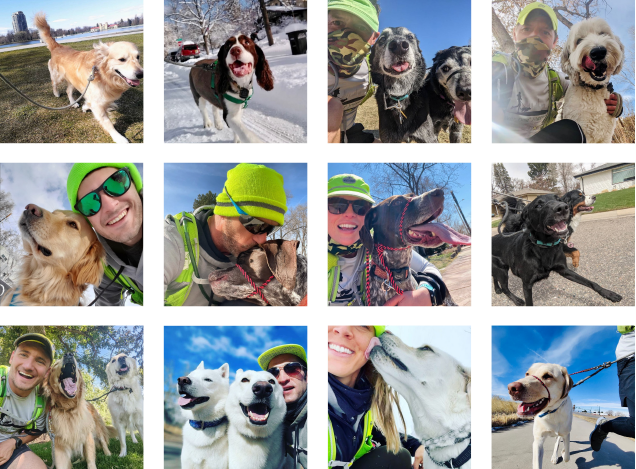
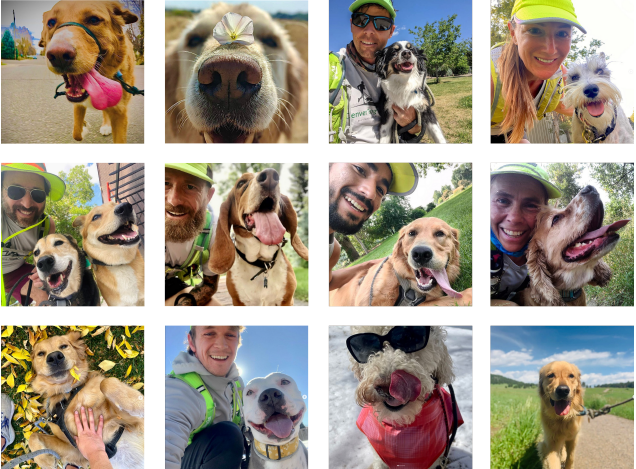
For pet parents in Arvada, Denver, Englewood, Golden, Lakewood, Littleton, and Wheat Ridge , having a reliable weekday option can be the difference between a dog who's underworked and one who's content. If you want to compare local options for regular outings, Denver Dog lists its service areas for dog walking, running, and hiking.
The strongest routine is the one you can sustain. A great beach day every once in a while is fun. Consistent on-leash adventure is what changes behavior over time.
Give Your Dog the Adventure They Deserve
The best on-leash dog beach day isn't the one with the most dramatic photos. It's the one where your dog stays safe, other people feel comfortable, and you leave the area cleaner and calmer than you found it. That's what keeps dogs welcome in public spaces.
Around Denver, that usually means being flexible. Sometimes the right call is a reservoir shoreline. Sometimes it's a creekside trail, a morning loop near the foothills, or a steady on-leash outing that meets your dog where they are that day. Good handling is about matching the environment to the dog in front of you.
I also think owners do better when they stay connected to the bigger reason behind all this. Dogs need adventure, but they also need structure. Stories of resilience and second chances can be a good reminder of that bond. If you want a warm, dog-centered read, take a look at the Miracle Rescue Dog.
A little planning goes a long way. Pack properly. Read the local rules. Keep the leash short where it matters. Give wildlife and other visitors room. Then let your dog enjoy the day.
If you want your dog to get safe, structured adventure during the week, Denver Dog offers professional on-leash running, walking, and hiking built for busy Denver-area owners. It's a smart way to give your dog consistent exercise, trail time, and handling you can trust.
The Run Down