It’s a sight that stops every dog owner in their tracks: your perfectly happy dog is suddenly holding up a paw or hobbling around. When your dog starts limping, it's their way of telling you something hurts.
The first step is figuring out if you're dealing with a sudden problem or something that's been brewing for a while. Think of it like this: a sudden limp is like a "flat tire"—an immediate issue like a thorn in the paw. A gradual limp is more like a slow "engine knock"—a chronic problem like arthritis that gets worse over time.
Why Is My Dog Suddenly Limping?
A limp that appears out of nowhere usually points to a specific injury. Your dog was likely fine one minute, and the next, they're favoring a leg after a game of fetch or an awkward leap off the couch. These are what we call acute injuries , and they happen all the time.
In fact, one study found that over 21% of dogs had an injury at the time they were surveyed, often from just their everyday activities. You can get into the nitty-gritty of those numbers in the full research paper on dog injury patterns.
Common Culprits Behind a Sudden Limp
More often than not, a sudden limp comes down to one of these common issues:
- Paw Injuries: This is the most frequent cause. Take a close look for foreign objects like thorns or glass, a torn or broken nail, or even a burn from walking on hot pavement.
- Sprains and Strains: Just like us, dogs can pull a muscle (a strain) or twist a joint and damage a ligament (a sprain). It often happens during enthusiastic play.
- Insect Bites or Stings: A single bee sting, especially on a sensitive paw pad, can be surprisingly painful and cause a lot of swelling and a very dramatic limp.
On the flip side, you have the gradual limp. This is the kind you might barely notice at first. Maybe your dog seems a little stiff getting up in the morning or lags behind on walks. This type of limp often signals a chronic condition that's slowly progressing.
Key Takeaway: A dog's limp is a clear signal of pain or discomfort. Whether it appears suddenly after an activity or develops gradually over weeks, it's your dog's way of saying something is wrong and needs attention.
Conducting a Safe Home Assessment

It’s a heart-stopping moment: you see your dog suddenly favoring a leg. The natural impulse is to rush in and start poking around, but a calm, methodical approach will keep you both safe and give your vet much better clues to work with. Before you even think about touching the sore limb, just watch.
Think of it as your first piece of detective work. Have your dog walk across a room and observe them from a couple of different angles. A classic sign of a front-leg issue is a head bob—the head goes up when they put weight on the sore leg. For a back-leg problem, you might see their hip on the affected side hike up. This simple observation is often the most reliable way to pinpoint which leg is the problem.
Once you’ve identified the leg, you can move on to a gentle hands-on check, but only if your dog is relaxed and okay with being handled. It's so important to remember that even the sweetest dog can nip or bite when they're in pain. If you aren't confident in your dog's signals, take a moment to learn how to read dog body language for everyone's safety.
The Gentle Hands-On Check
My rule of thumb is to always start at the paw and work your way up. This bottom-up approach ensures you methodically check for the most common culprits without missing anything.
- Examine the Paw Pads: Gently lift the paw and get a good look at the pads. You’re searching for cuts, scrapes, or anything embedded, like a shard of glass, a pesky thorn, or a burr. Also, check for blisters, which are common after walks on hot pavement.
- Inspect the Toes and Nails: Carefully spread their toes apart. Look for swelling, redness, or any foreign objects hiding in between. Pay close attention to the nails—a cracked, split, or broken nail is incredibly painful and a very frequent cause of limping.
- Feel the Leg and Joints: If the paw looks clear, slowly and gently run your hands up the entire leg. Feel for any unusual heat, swelling, or lumps that shouldn't be there.
- Check Range of Motion: Very gently, try to flex and extend each joint. For a front leg, that’s the wrist (carpus), elbow, and shoulder. For a back leg, it's the ankle (hock), knee, and hip. Keep your eyes on your dog’s face the entire time for their reaction.
CRITICAL SAFETY NOTE: This is the most important part. If your dog pulls away, yelps, growls, or shows any sign of pain at any point, stop immediately. Your job is to gather information, not to diagnose the issue or make it worse.
Doing this systematic check gives you incredibly valuable information for your veterinarian. Being able to say, "She's limping on her front left leg. Her paw looks fine, but she flinched when I touched her elbow," is infinitely more helpful than just, "She's limping." It gives your vet a running start on figuring out what's wrong and what to do next.
Sudden Limping From Sprains and Paw Injuries

It’s a story every dog owner knows: one minute your dog is tearing around the yard, and the next they’re suddenly holding up a paw. When a limp shows up that fast, it's usually because of a simple misstep, just like an athlete twisting an ankle on the court.
These are typically a sprain (a ligament issue) or a strain (a muscle or tendon problem). A sprain is what happens when the ligaments in a joint get stretched too far or even torn—think of a clumsy landing after a jump off the bed. A strain affects the muscles or their connecting tendons, often from going a little too hard during a game of fetch.
Both are definitely painful and are very common limping dog causes , but the good news is they usually get better with some rest and a little help from your vet.
Interestingly, it's not always a leg issue. A condition called limber tail, or acute caudal myopathy, can cause so much pain at the base of the tail that it looks like a problem with the back legs. It's more common than you'd think, especially for active dogs. One study found that working dogs are 5.1 times more susceptible , and that swimming increases the risk by 4.7 times . This is great to know for dog owners in places like Denver, where weekend hikes and lake days are a way of life. You can check out the full study for more insights on limber tail risk factors.
The Paw Is a Common Trouble Spot
While a sprained leg is a real possibility, the most frequent culprit behind a sudden limp is right there at the end of the leg: the paw. A dog’s paws take a beating every single day, so it’s no surprise they’re ground zero for small but painful injuries.
Before you panic, take a moment to gently and thoroughly inspect their paw pads and the spaces between their toes. You might just find the problem right away.
Be on the lookout for these usual suspects:
- Foreign Objects: It’s amazing what can get stuck in there. Thorns, tiny pebbles, shards of glass, or sticky burrs can easily become embedded and cause instant pain.
- Broken or Torn Nails: A nail snagged on a rug or root can crack or break off completely. It's surprisingly painful and often bleeds quite a bit.
- Cuts and Scrapes: Sharp rocks, rough terrain, or even broken litter on the sidewalk can easily slice into those sensitive paw pads.
- Insect Stings or Bites: A bee sting or spider bite on the paw can cause immediate swelling and a very dramatic, obvious limp.
- Cracked or Burned Pads: Hot summer pavement can cause nasty burns, while frozen, salt-covered sidewalks in winter can lead to dry, cracked, and painful pads.
First Aid Tip: If you find a minor cut, you can gently clean it with warm water and a mild, pet-safe antiseptic. However, if there's significant bleeding, an embedded object, or if your dog is in severe pain, your best and safest move is always to contact your veterinarian immediately.
Gradual Limping From Arthritis and Chronic Conditions
Not every limp starts with a yelp or a sudden injury. Sometimes, a limp sneaks up on you and your dog, starting so subtly you might question if you even saw it. This slow, gradual limp often points toward a chronic condition like arthritis, developing over months or even years.
It might begin as a little stiffness when your dog gets up from a nap. Over time, that stiffness can become a more obvious limp that comes and goes, especially in older dogs or breeds known for joint problems.
Think of a healthy joint as a perfectly oiled door hinge—it just swings smoothly and silently. But in a dog with osteoarthritis (OA) , that hinge has started to rust. The protective cartilage cushioning the bones wears down, and the joint's natural lubricating fluid thins out. This creates painful bone-on-bone friction with every single step.
This is a massive issue for our canine friends. Musculoskeletal diseases, with osteoarthritis being a major one, affect an estimated 200,000 dogs in the U.S. every year. These conditions cause inflammation and physically change the joint's structure, leading to pain and trouble moving that can seriously impact a dog's life, especially for larger or senior pets. If you're interested in the science behind how vets analyze these changes, you can dive deeper into research on canine gait analysis.
Spotting the Signs of Chronic Joint Pain
Because the change is so slow, you really have to be a bit of a detective to spot the early signs of chronic joint pain. The limp itself might be faint at first and often seems worse after a long rest, like first thing in the morning or after a long car ride.
Keep an eye out for these tell-tale behaviors:
- Stiffness After Rest: Does your dog look creaky or hobble for the first few steps after waking up?
- Reluctance to Move: Is there a new hesitation to jump on the bed, climb stairs, or hop into the car?
- Changes in Activity: Are walks getting shorter? Is your dog less excited about a game of fetch?
- Worsening in Cold Weather: Just like in people, joint pain in dogs often feels worse when it's cold or damp outside.
Other Common Chronic Conditions
While osteoarthritis is the most common reason for a chronic limp, it's not the only one. Hip dysplasia , for instance, is a genetic condition where the hip’s ball and socket don’t fit correctly, causing looseness that eventually leads to arthritis. You might also hear your vet mention Degenerative Joint Disease (DJD) , which is a catch-all term for the slow breakdown of any joint.
Key Insight: Managing chronic joint pain is all about improving your dog's quality of life. The goal isn't always a "cure" but to manage pain, slow the disease's progression, and keep your dog happy and mobile for as long as possible.
Keeping your dog at a healthy weight is one of the most important things you can do—extra pounds mean extra stress on sore joints. You can get a better handle on this by reading our complete guide to calorie content in dog food.
Gentle, low-impact exercise like swimming or leashed walks also works wonders by keeping supporting muscles strong without over-taxing the joints. For at-home comfort, simple things like applying gentle warmth can help soothe achy joints. You can get an idea of what works by learning about finding the best heating pad for arthritis pain relief.
Knowing When to See a Vet
It’s one of the most common and nerve-wracking questions for any dog owner: is this limp a “wait-and-see” or a “go-now” situation? To make this easier, I like to think of it in terms of a traffic light. Green means you can safely monitor at home, Yellow is your cue to schedule a vet visit, and Red means head to an emergency clinic immediately.
A very slight, occasional limp after a big day at the park might be a "Green Light." This usually just calls for a day or two of rest. But if that limp doesn't improve after 24 hours , or if it seems to be getting worse, you’ve moved into "Yellow Light" territory. It's time to call your regular vet and get it checked out, especially for those nagging limps that could signal a chronic problem.
For the slower, more gradual limps, the picture can be a bit fuzzier. This is where you have to play detective, and this chart can help guide your thinking.

As you can see, observing when the limp happens is key. If your dog is consistently stiff after resting or suddenly hesitant to jump onto the couch, those are strong clues that a developing condition like arthritis might be the culprit.
To help you decide on the right course of action, here’s a quick-reference table that breaks down the different levels of urgency.
Limping Severity Guide: When to Call the Vet
| Urgency Level | Signs to Watch For | Recommended Action |
|---|---|---|
| LOW | A very mild limp that appears after heavy exercise. The dog is still willing to put weight on the leg and shows no signs of pain. | Rest your dog for 24-48 hours . No running, jumping, or rough play. If there's no improvement, call your vet. |
| MEDIUM | A persistent limp that lasts more than a day. The dog is still using the leg but is clearly uncomfortable. May be accompanied by mild swelling or licking the area. | Schedule a non-emergency appointment with your regular veterinarian within the next day or two. |
| HIGH | Unable to put any weight on the leg (non-weight-bearing), obvious fracture or dislocation, severe swelling, or crying out in pain. | This is an emergency. Go to your nearest veterinary emergency clinic immediately . |
Remember, this is just a guide. Your intuition as a pet owner is invaluable, so if you feel something is seriously wrong, don't hesitate to seek professional advice.
Red Flags That Signal an Emergency
Some symptoms are non-negotiable "Red Lights." These are clear signs of a serious problem that require you to bypass the wait-and-see approach and get to an emergency vet right away to manage severe pain and prevent permanent damage.
Head to an emergency vet immediately if your dog shows any of these signs:
- Severe Pain: Constant whining, crying out, yelping when touched, or showing aggression.
- Inability to Bear Weight: The dog is completely holding the leg up and refusing to put it down for any reason.
- Obvious Fracture: You can see a bone at a strange angle, or the limb is dangling unnaturally.
- Significant Swelling: The leg, paw, or joint is dramatically swollen, feels hot to the touch, or looks bruised and discolored.
- Accompanying Symptoms: The limp is happening along with other alarming issues, like uncontrollable shaking, extreme lethargy, vomiting, difficulty breathing, or a high fever.
CRITICAL INSIGHT: When you see these red flags, trust your gut and go. Time is critical. Waiting can lead to much worse outcomes, prolong your dog’s suffering, and often result in more invasive and expensive treatments down the line. Your veterinarian is always your best partner in these moments.
Preventing Injuries and Promoting Joint Health
Knowing what to do when your dog starts limping is one thing, but preventing that limp in the first place? That’s the real goal. Proactive care is always the best medicine, especially for keeping our active, happy dogs on all four feet. A few smart adjustments to their daily life can make a huge difference for their joint health down the road.
The single biggest factor here is keeping them at a healthy weight . Think about it this way: every extra pound is like a weighted vest your dog is forced to wear 24/7. That constant, extra load puts a massive amount of stress on their joints, accelerating wear and tear and making them far more vulnerable to injuries and chronic issues like arthritis.
Building Strength and Resilience
Of course, it's not just about weight. The kind of exercise your dog gets is just as important. It’s easy to fall into the "weekend warrior" trap, where a dog gets very little activity during the week and then goes all-out on a Saturday hike. This is a recipe for strains and sprains.
Consistent, moderate exercise is a much safer and more effective path to building a strong, resilient dog.
- Always Warm Up: Before a run or a game of fetch, a brisk 5-minute walk is crucial. It gets blood flowing to the muscles and prepares their joints for the work ahead, dramatically reducing the risk of a tear or strain.
- Don't Forget the Cool-Down: After you're done, a slow 5-minute walk lets their heart rate come down gradually. This simple step helps prevent muscles from getting sore and stiff later.
- Focus on Structured Exercise: Activities like controlled, on-leash running or hiking are fantastic. They build muscle and stamina evenly, avoiding the kind of sudden, jerky movements that often lead to a trip to the vet.
An experienced handler, or even just a mindful owner, learns to spot the subtle signs of fatigue. Noticing when your dog starts to lag, pant excessively, or show minor changes in their gait allows you to end the activity before they push themselves to the point of injury.
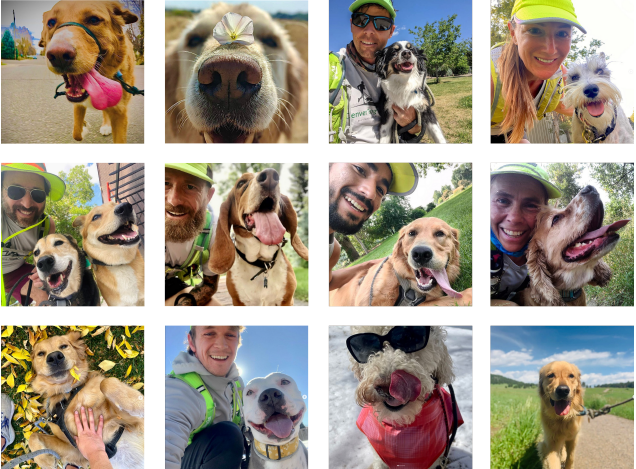
This is exactly the kind of structured, safe activity that professional services like Denver Dog are built around. For busy owners, it's a great way to know your dog is getting the consistent, expert-led exercise they need to build a strong body.
If you run with your own dog, having the right equipment is non-negotiable. A good harness makes all the difference. To learn more, check out our guide on finding the best running harness for dogs. At the end of the day, a proactive approach to your dog's fitness is your best defense against most common limps.
Your Top Questions About Dog Limping, Answered
Even after learning about the common causes of limping, you probably still have some practical questions. Let's tackle a few of the most frequent ones we hear from concerned dog owners.
Can I Give My Dog Human Pain Medication?
That’s a hard no . Please, never give your dog human pain relievers like ibuprofen ( Advil ) or naproxen ( Aleve ). While they work for us, these medications are toxic to dogs and can cause catastrophic damage to their kidneys, liver, and stomach lining.
Always call your veterinarian first. They are the only ones who can prescribe dog-specific anti-inflammatory medications that are both safe and effective for your pup's unique situation.
My Dog Only Limps Sometimes. Should I Still Be Concerned?
Yes, absolutely. It's easy to dismiss a limp that comes and goes, but think of it as your dog's way of telling you something is wrong, even if the pain isn't constant.
This on-again, off-again limping is often one of the earliest signs of arthritis, which might only act up after a long hike or during a cold snap. It could also point to a nagging soft tissue injury that only hurts when the leg moves in a specific way.
Pro Tip: Start a simple log in your phone's notes app. Jot down when the limping happens, how long it lasts, and what your dog was doing right before. This kind of detailed timeline is gold for your veterinarian.
How Can I Tell if the Limp Is in the Paw or Higher Up?
Your dog’s behavior is the first clue. If they are constantly licking or chewing at their foot, you can be pretty sure the problem is in the paw. If a gentle look at their paw pads and between their toes doesn't reveal a cut, splinter, or swelling, the issue is likely higher up the leg.
A vet will figure this out by performing a hands-on exam, carefully flexing and extending each joint—from the toes all the way up to the shoulder or hip—to see what elicits a pain response. It's best to avoid trying this yourself, as you could accidentally make the injury worse.
Of course, preventing injuries in the first place is ideal. A secure yard is crucial for preventing escapes and unsupervised romps that can lead to trouble. Investing in proper fencing for dogs is one of the best ways to create a safe home base.
Keeping your dog active and healthy is a balancing act between safe exercise and watchful care. For busy Denver owners who want their dogs to get consistent, structured activity, Denver Dog provides professional on-leash running, walking, and hiking services. Let us help your pup stay fit and happy! Learn more and book a session today at https://www.denverdog.co.
The Run Down