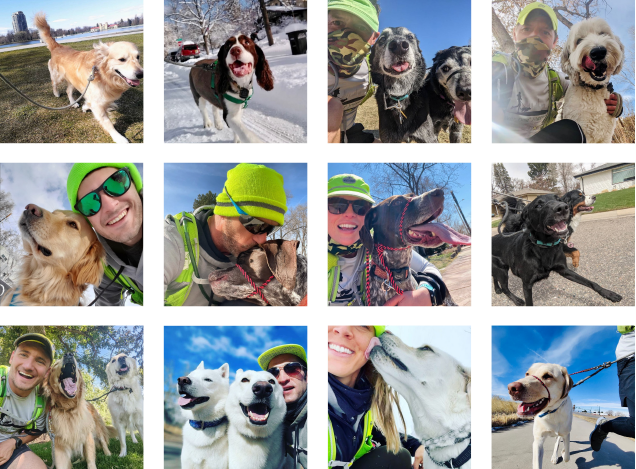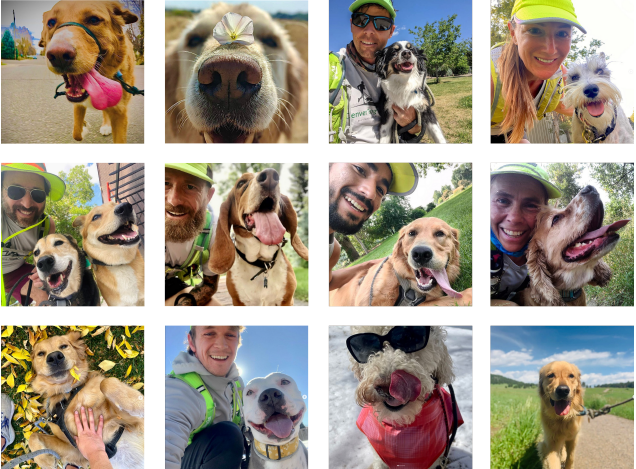
If you're scanning South Denver listings with a dog leash in one hand and your work calendar in the other, the 80237 zip code probably keeps popping up. It draws people who want a practical mix of city access, modern housing, and enough nearby outdoor options to keep daily life from feeling boxed in.
That balance matters more than it sounds. A neighborhood can look great on a map, then fall apart in real life if the commute is frustrating, the housing stock doesn't fit your budget, or your dog has nowhere realistic to burn energy on a weekday. In 80237, the details matter. This part of Denver works well for many professionals, but it works best when you understand how urban density, housing patterns, and pet routines all interact.
Welcome to 80237 An Introduction to Hampden South
A common South Denver scenario goes like this. You want to stay close to work, you don't want a long daily drive, and you need a neighborhood where grabbing coffee, groceries, or a quick walk with your dog doesn't feel like a major production. At the same time, you don't want to live somewhere that feels all pavement and parking lots.
That's where the 80237 zip code enters the conversation. It sits largely within Hampden South , a part of Denver that many movers notice because it feels connected without feeling fully downtown. You get an urban setup, access to major roads and business areas, and a residential rhythm that appeals to people building busy weekday routines.
For dog owners, 80237 is interesting for a simple reason. It offers enough nearby green corridors and neighborhood streets to support regular on-leash exercise, but it also asks you to be realistic. This isn't a wide-open suburb where every outing is effortless. It rewards planning.
The best neighborhoods for active dog owners aren't always the ones with the biggest yards. They're the ones where a weekday routine is actually sustainable.
That makes Hampden South a strong fit for people who want structure. If you have a young adult dog, a newly adopted dog, or a high-energy breed that needs consistency, the area can work well when you match your expectations to the environment.
A few things tend to shape the experience most:
- Work proximity: Many residents choose this area because getting to business districts is manageable.
- Housing mix: You'll find both rentals and owner-occupied homes, which gives the area a flexible feel.
- Pet routine reality: Daily dog exercise here is less about spontaneous off-leash time and more about dependable walks, runs, and planned outings.
The 80237 Community A Snapshot of Demographics and Housing
You feel this section of Denver before you fully measure it. A morning dog walk in 80237 often means passing apartment entries, condo buildings, parked cars, and a steady stream of residents starting the workday. That everyday pattern lines up with the 80237 demographic and housing profile from Colorado Demographics, which reports about 23,384 residents , a median age of 35.5 , median household income of $86,723 , 62.7% of residents with a college degree , a median home value of $587,400 , a median rent of $1,845 , and a 56% renter share .
Taken together, those numbers describe a neighborhood built around busy adult routines. For a dog owner, that matters more than it may seem at first. In a place with many working professionals and many renters, pet life often runs on schedule. Morning walks need to be efficient. Midday breaks may require planning. Shared spaces need good manners because plenty of other dogs are using them too.

What the resident profile feels like on the ground
A median age in the mid-30s usually feels steady and active. You are likely to see residents commuting, working from home, squeezing in errands, and fitting dog walks into lunch breaks or early evenings. The pace is organized. It is less about lingering all afternoon outside and more about making daily routines work.
That helps explain why 80237 can suit an active pet owner who likes structure. If your dog does best with predictable exercise, familiar walking loops, and a consistent weekday rhythm, the area often supports that well.
The college-education rate also hints at something practical. Many residents expect services to be reliable and close by. That can be useful if you need a vet, groomer, pet supply run, or occasional help from local dog walking services in Denver when your workday runs long.
Housing costs and what they signal
The housing mix shapes pet ownership just as much as the price point does. With home values at the higher end for many buyers and a renter share above half, 80237 gives movers a real mix of condos, apartments, townhome-style communities, and owner-occupied homes.
Here is what those numbers usually mean in daily life:
| Housing factor | What it suggests for movers with dogs |
|---|---|
| Median home value of $587,400 | Buyers may get access to South Denver without heading far into the suburbs, but private yard space is not guaranteed. |
| Median rent of $1,845 | Renters should budget carefully and read breed, weight, deposit, and pet-rent rules line by line. |
| 56% renter share | Expect more shared walls, shared outdoor areas, and more dogs on similar walk schedules. |
A renter-heavy area works a bit like a well-used trailhead. Plenty of people can use it successfully, but timing and etiquette matter. In practical terms, that means elevator access, relief-area quality, hallway noise, and sidewalk crowding can shape your dog's day as much as square footage does.
Practical rule: Before signing a lease in 80237, ask where the nearest relief area is, how late-night walks usually work, and whether your first and last walk of the day will feel easy or frustrating.
Why this matters for pet owners
Housing in 80237 rewards realistic planning. A stylish unit can still wear you down if every potty break starts with stairs, busy parking-lot crossings, or a long walk to the nearest patch of grass.
For active dog owners, the best fit is often the home that makes repetition easy. You want a building or block that supports four short walks on a weekday just as well as one long outing on Saturday. In a denser area like 80237, that kind of setup matters more than flashy finishes.
Choose the home with the better routine, not just the better living room.
Daily Life Schools Safety and Local Services
Living in 80237 tends to feel efficient. You can handle a lot of your weekly life without leaving the broader area for long. That includes grocery runs, quick retail stops, school drop-offs, and trips toward the Denver Tech Center side of town.
Belleview-area shopping and nearby commercial pockets give residents useful everyday convenience. That's one reason the neighborhood appeals to people with packed schedules. If your week is built around work blocks and short windows of free time, ease matters.

How to evaluate the area for everyday living
If you're deciding whether 80237 fits your household, focus on your real weekday pattern rather than your ideal one.
-
Map your errand loop
Look at where you'd buy groceries, pick up basics, grab coffee, and handle a pharmacy run. In this area, convenience is one of the strongest quality-of-life features. -
Check school and childcare logistics early
Families should review nearby school options and childcare availability before they commit to a move. The neighborhood can work well logistically, but small differences in pickup routes can shape your entire day. -
Walk the block at two different times
Try one visit during business hours and another in the evening. A street that feels quiet at one hour can feel much busier later. -
Test the dog routine in person
Bring your dog if possible, or at least walk the route you'd likely use. Look for shade, sidewalk width, traffic patterns, and how many other dogs are out.
If you're comparing options for weekday help, this guide to dog walking services in Denver is a useful starting point for understanding what types of support fit busy urban schedules.
Schools and family rhythm
80237 often appeals more obviously to professionals than to large households, but that doesn't mean families can't do well here. It means you should pay close attention to daily flow. Where will kids play after school? Is there a straightforward route between home, school, and errands? Can your dog get exercise before the evening rush starts?
Those questions matter because convenience is part of safety. A simpler routine usually means fewer rushed decisions.
The local service gap pet owners should know
One overlooked issue in 80237 is that public-facing information about human services is easier to find than equivalent guidance for pet welfare resources . According to community resource information from Rocky Mountain Human Services, there is a notable gap in accessible information on pet welfare resources in 80237, including concerns around emergency veterinary access or specialized care in a dense urban setting.
That doesn't mean care isn't available. It means new residents shouldn't assume pet logistics will sort themselves out.
A smart first-week checklist includes:
- Choose a primary veterinarian: Don't wait until your dog has a problem.
- Identify an urgent care option: Save the address and phone number before you need them.
- Ask your building about pet incidents: Elevator accidents, reactive-dog encounters, and noise complaints are easier to manage when rules are clear.
If you're moving with a dog, treat vet planning the same way you'd treat renter's insurance or utility setup. It belongs on the pre-move list.
Exploring the Outdoors Parks Trails and Pet-Friendly Amenities
The best part of 80237 for many dog owners is that outdoor life is still very doable. You may not get expansive private space, but you do get access to neighborhood paths, green pockets, and bigger trail connections that can support a strong routine.
Southmoor-area green space gives residents a place for regular leashed walks, decompression loops, and shorter weekday outings. For longer sessions, many locals look toward larger path systems that make it easier to cover distance without constantly stopping at every corner.

What works well for active dogs here
For an easygoing dog, 80237 can feel straightforward. A couple of leashed walks, some sniff-heavy time, and a weekend outing may be enough. For a young shepherd mix, sporting breed, or dog adjusting to apartment life, the equation changes.
Urban dog exercise works best when you rotate environments:
- Neighborhood loops help with consistency and leash skills.
- Park paths give dogs more room to settle into a steady pace.
- Longer destination walks or hikes add novelty and more complete physical effort.
If you want ideas beyond the immediate neighborhood, this guide to dog walking trails near Denver offers useful inspiration for planning outings that fit different energy levels.
Why density changes the pet experience
The core challenge is simple. According to 80237 zip code data from Simplemaps, the area has a population density of 6,455 people per square mile . In practice, that density limits easy off-leash options and increases the need for structured, safe exercise for dogs, especially when owners are busy during the workday.
That point is easy to underestimate until you live it.
A dense neighborhood changes dog exercise in a few ways:
| Urban condition | What it means for your dog |
|---|---|
| More people sharing space | Your dog may encounter frequent distractions on each walk. |
| Less casual open room | Fetch and free running aren't always realistic nearby. |
| Busy professional schedules | Dogs often need weekday exercise that doesn't depend on owner flexibility. |
This is why some dogs do fine with a compact urban setup while others start showing frustration. You may notice pulling, restlessness in the evening, trouble settling after work, or more barking at hallway noises. Often, the dog isn't "bad." The routine is just too small for the dog's energy.
A high-energy dog in a dense neighborhood usually needs a plan, not just good intentions.
Choosing pet-friendly amenities that actually help
Not every pet-friendly apartment or nearby park solves the issue. Focus less on labels and more on function.
Look for amenities and neighborhood features that support these basics:
- Predictable walking routes: Sidewalks and paths where you can build a repeatable routine.
- Room for controlled movement: Places where your dog can walk forward steadily instead of stopping every few yards.
- Low-stress transitions: Easy entry and exit from your building if your dog is excitable or reactive.
- Backup options for weather or workdays: A plan for days when you can't do the longer outing yourself.
The best mindset for 80237 dog owners
Think of 80237 as a neighborhood that rewards intentional pet ownership. It suits owners who like a routine, pay attention to leash handling, and understand that "pet-friendly" doesn't always mean "effortless for active dogs."
For many people, that's a good trade. You get urban convenience, access to South Denver, and enough outdoor infrastructure to keep a dog happy if you stay consistent.
Your Commute Transportation and Getting Around Denver
Transportation is one of the biggest reasons people choose 80237. The area gives residents solid access to major roads and a relatively practical launch point for moving around the metro, especially if work pulls you toward South Denver or nearby business districts.
For drivers, the appeal is straightforward. You can connect into larger commuter routes without feeling as removed as some farther-out suburbs. That's a major plus if your week includes office time, client visits, or frequent cross-town trips.
Driving versus transit
Driving usually gives the most direct control over your day, especially if you're juggling errands before or after work. It's also easier when your routine includes pet pickups, vet visits, or transporting a dog crate, food, or gear.
Public transit can still be a strong option for residents who want a less car-dependent routine. Stations in the broader area, including Southmoor and Belleview access points, make rail commuting worth checking if your destination lines up well.
Here's a simple comparison:
| Option | Best for | Tradeoff |
|---|---|---|
| Driving | Flexible work schedules, errands, pet logistics | Traffic and parking can shape the experience |
| Light rail | Commuters with a consistent route | Less flexible if your day includes multiple stops |
| Walking plus short drives | Nearby errands and neighborhood routines | Not ideal for every work destination |
What new residents should test before move-in
Commute planning works better when you test the details yourself. Don't rely only on map estimates.
Try this:
- Do one weekday morning drive to your likely work destination.
- Ride the train once if transit is part of your plan.
- Check your dog schedule against commute reality. A manageable commute on paper may still feel tight if your dog needs a full morning walk first.
Pet ownership changes how you think about transportation
Commuting isn't only about getting yourself to work. If you live in 80237 with a dog, your transportation setup also affects vet trips, grooming appointments, supply runs, and access to longer recreation outings beyond the immediate neighborhood.
Some neighborhoods are easy for commuters but awkward for dog owners. 80237 tends to work best when both systems fit together.
That usually means asking practical questions. Is your parking setup easy after a grocery run and an evening walk? Can you get your dog into and out of the building without a stressful street crossing? Will your daily route leave enough time for exercise before dinner?
Those details often decide whether a neighborhood feels smooth or exhausting.
Practical Tips for New Residents and Final Thoughts
Moving to 80237 gets easier when you handle the first week with a checklist instead of improvising everything. This area rewards people who set up routines quickly. Once the basics are in place, daily life tends to feel much more manageable.

Your first practical wins
Start with the things that affect your day immediately.
- Utilities and internet first: Schedule setup before move-in day if possible. In a work-from-home or hybrid household, internet delays can throw off your whole week.
- Learn one grocery route: Pick a default store and one backup. Decision fatigue is real when you're unpacking.
- Do two short dog walks before one long adventure: Dogs often need a few days to settle into new smells, elevators, stairs, or street noise.
If you'll own rather than rent, it's also smart to think ahead about maintenance and resale. For homeowners who want ideas on projects that can increase home value before selling, that guide offers useful, practical context.
Local habits that make the area easier
The residents who seem most comfortable in 80237 usually do a few small things well. They batch errands. They use quieter walking windows when possible. They don't wait until a stressful moment to find pet care, a vet, or a backup routine.
That same logic helps with neighborhood discovery. Instead of trying to "master" the whole area in a weekend, choose a few anchor places first:
- a regular coffee stop
- a default walking route
- a nearby park path
- one weekend outing spot elsewhere in Denver
For dog owners, this list of fun things to do with your dog in Denver can help you build that weekend routine without relying on the same walk every time.
A few pet-owner moves worth making early
Pet owners often get tripped up by the same avoidable issues after a move. A little prep helps.
- Save your building's pet rules in one note: Especially if there are designated relief areas or leash requirements.
- Keep a towel by the door: Handy for wet paws, muddy sidewalks, or winter slush.
- Practice your route without rushing: Dogs adjust better when the new neighborhood arrives in smaller, calmer pieces.
Neighborhood insight: In a dense part of Denver, the easiest dog routine is usually the one you can repeat on your busiest Tuesday, not the one that only works on sunny Saturdays.
80237 stands out because it fits real life. It gives many residents a useful mix of convenience, access, and livability. For professionals, renters, first-time buyers, and dog owners who want South Denver without losing daily function, it's a strong option.
Frequently Asked Questions About Living in 80237
A lot of people ask the same practical question after a tour of 80237. "Could my dog and I settle into a good weekday rhythm here?" That is the right question, because this ZIP code tends to work best when daily life feels repeatable, not improvised.
Is 80237 a good fit for dog owners
Yes, for many dog owners. 80237 is usually a better fit for people who are comfortable with regular on-leash walks, planned exercise, and apartment or condo routines than for people who want a big backyard or frequent off-leash time right outside the door.
Does 80237 feel more urban or residential
It sits in the middle of both. Near busier roads and commercial areas, the pace feels more urban. Step into the residential pockets, and the mood slows down. For pet owners, that mix can be useful. You can live close to errands and still find calmer walking stretches once you learn your block-by-block routine.
Is it better for renters or buyers
Both groups can make it work. Renters often like 80237 because it gives them a practical starting point in South Denver, especially during a relocation. Buyers may value the same central convenience, but with more reason to think long term about pet policies, building layouts, and how easy the neighborhood will feel in every season.
What kind of dog does best in 80237
Dogs that handle leash walking well, stay fairly steady around traffic or everyday city noise, and can relax indoors after exercise often adjust fastest. High-energy dogs can still do very well here. They just need a more deliberate routine, like a morning walk with purpose, a midday break, and a predictable evening outing instead of hoping the neighborhood will tire them out on its own.
What should new residents check before signing a lease
Start with the parts of pet life you will deal with every single day. Check the pet policy, elevator or stair access, relief-area rules, noise levels, parking, and how quickly you can get outside for a short potty break. A unit can look great on a tour and still feel frustrating if every dog outing turns into a long hallway, a crowded elevator, and a busy curb.
Is 80237 convenient for the rest of Denver
For many residents, yes. It works well as a home base for commuting, errands, and getting around South Denver and the broader metro. That matters for dog owners too, because a convenient location makes it easier to keep vet visits, daycare drop-offs, walkers, and weekend plans from eating up your whole day.
If you are moving to South Denver and want help building a reliable weekday routine for your dog, Denver Dog serves local pet parents across the metro. Their service areas in Arvada, Denver, Englewood, Golden, Lakewood, Littleton, and Wheat Ridge can help you see whether your neighborhood is covered.
The Run Down