A dog weight loss program usually fails for one reason that surprises owners. It’s not that the math is impossible or that the dog “has a slow metabolism.” In one study, 64.4% of dogs failed to achieve satisfactory weekly weight loss , and 44.7% of owners did not follow the prescribed diet and exercise plan . By contrast, 100% of dogs with compliant owners achieved satisfactory weekly weight loss according to this study on owner compliance and canine weight loss.
That should change how you think about the problem.
Most overweight dogs don’t need a gimmick. They need a plan that’s accurate, realistic, and consistent enough to survive busy workweeks, family habits, weather changes, and the occasional setback. If your schedule is tight, your dog’s program has to fit your life or it won’t last.
A good dog weight loss program has three parts. First, feed the right amount with precision. Second, add safe exercise that matches your dog’s current condition. Third, monitor often enough to catch stalls before they turn into months of no progress.
Is Your Dog Overweight? Recognizing the Signs and Risks
Up to 40% of dogs are overweight. In practice, many owners do not recognize it until the dog is already moving less comfortably, tiring sooner, or avoiding activities that used to be easy.
Weight gain in dogs is usually gradual. A few extra treats, slightly generous scoops, missed walks during busy weeks, and a tighter harness can blend into normal life. By the time the change is obvious, your dog may already be carrying enough excess fat to affect joints, stamina, and daily comfort.
That is why I start with body shape and movement, not the number on the scale.

Use the body condition score at home
Veterinarians commonly use a 9-point Body Condition Score , or BCS , to judge whether a dog is underweight, ideal, overweight, or obese. You do not need to memorize the full chart to get useful information at home.
Start with three checks:
- Ribs check: Run your hands over the ribcage. You should be able to feel the ribs without pressing hard. If they are hard to find under a soft layer, your dog is likely carrying extra fat.
- Waist check: Look from above. A healthy dog usually narrows behind the ribs. If the body looks straight or oval from chest to hips, that is a common sign of excess weight.
- Tuck check: Look from the side. The abdomen should rise up behind the ribcage. A flat or sagging underline often points to body fat gain.
If you want a visual benchmark while you assess your dog, this complete dog weight chart reference guide gives you a more practical frame of reference than scale weight alone.
Practical rule: If ribs are hard to feel and the waist has disappeared, schedule a closer evaluation.
Why extra weight changes more than appearance
Extra pounds put more load on joints, soft tissue, heart, and lungs. Owners usually notice the effect in small daily moments first. The dog lags on a familiar route, hesitates at the car, pants early, or chooses rest over play.
Those signs are easy to dismiss as age, breed, or laziness. Sometimes age is part of the picture. Often, excess weight is making normal movement harder and less rewarding. That creates a bad cycle. The dog moves less, burns less, loses fitness, and gains more.
The heavier the dog gets, the narrower your exercise options become. A mildly overweight dog can often start with controlled walks and measured food changes. A dog with significant excess weight may need a slower conditioning plan, shorter sessions, and closer veterinary oversight because joints, heat tolerance, and stamina are already limiting factors.
This is common, and it is fixable
Many owners feel guilty when they realize their dog is overweight. Guilt does not help much. Honest assessment does.
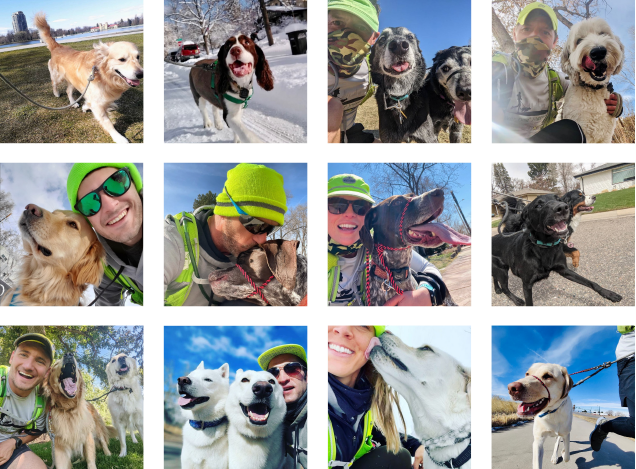
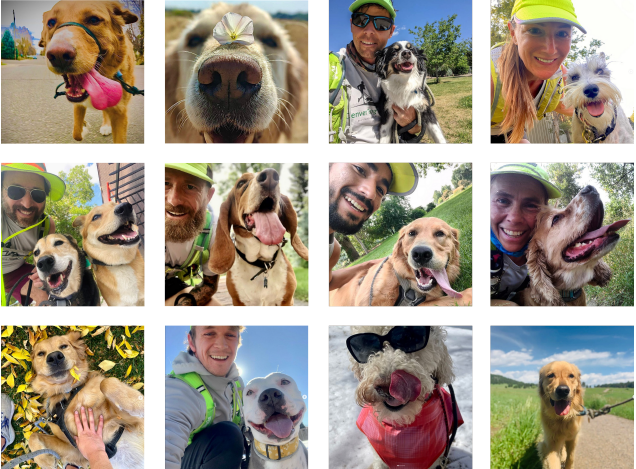
This is a common struggle, and it usually comes from routine, not neglect. Busy schedules are one of the biggest reasons dogs lose consistency with exercise. I see that constantly. Owners mean well, then work runs late, weather gets in the way, or the week falls apart. For some households, professional support is the difference between a plan that sounds good and a plan that becomes a reality. Regular outings with services such as Denver dog joggers or hikers can close that compliance gap, especially for dogs who need steady activity and owners who cannot reliably provide it every day.
Signs owners often miss
Some of the earliest clues show up outside the vet’s office:
| Sign | What it may mean |
|---|---|
| Neck and chest look thicker | Fat gain is changing body shape |
| Harness fits tighter | Weight has increased gradually |
| Less stamina on routine walks | Conditioning has dropped, often along with weight gain |
| Reluctance to jump or climb | Joint stress, discomfort, or reduced fitness |
| Panting sooner than expected | Normal activity is taking more effort |
If several of these sound familiar, act now. Early correction is simpler, safer, and less frustrating than trying to reverse severe obesity later.
Creating Your Dog’s Custom Weight Loss Plan
A workable dog weight loss plan is built around consistency, not intensity. I see the same problem over and over. Owners start with good intentions, then work hours shift, weather changes, and the plan loses momentum. The best results come from a routine your household can repeat week after week, with veterinary oversight and enough structure to prevent drift.

Start with your veterinarian
Book a veterinary exam before cutting food or adding harder exercise. Your vet should confirm body condition score, estimate a sensible target weight, and check for problems that change the plan, such as arthritis, pain, thyroid concerns, or poor cardiovascular tolerance.
That appointment also sets the pace. Some dogs can begin longer walks right away. Others need a slower start because extra body weight has already reduced stamina or made movement uncomfortable.
Use calorie math as a starting point, not a guess
A practical starting framework comes from the World Pet Obesity Association’s stepwise canine weight loss calculator guidance. It uses RER = 70 × (body weight in kg)^0.75 to estimate resting energy needs, then adjusts from there based on progress and veterinary supervision.
Here is the plain-language version:
- Convert your dog’s weight to kilograms
- Calculate resting calorie needs
- Set a daily calorie target with your veterinarian
- Adjust only after a recheck, not based on frustration
That same source recommends a gradual pace of loss and periodic reassessment instead of aggressive cuts. In practice, that matters because hungry dogs push harder for food, and owner compliance usually drops when the plan feels too strict.
If you want help translating the math into daily feeding decisions, this dog calorie calculator and feeding guide can help you prepare for that veterinary conversation.
Build a plan around your real week
This is the part owners underestimate.
A good plan accounts for who feeds the dog, who handles walks, what happens on long workdays, and how often no one gets home on time. Weight loss fails less often from bad information than from inconsistent follow-through. If your schedule is unpredictable, professional support can solve that problem. Regular outings with Denver Dog Joggers or hikers can keep calorie burn and routine activity consistent on the days owners cannot do it themselves.
That is not outsourcing responsibility. It is setting up a system that your dog can rely on.
Use these decisions to shape the weekly plan:
| Plan element | What to decide |
|---|---|
| Feeding schedule | Exact meal times and who is responsible |
| Portion control | Measured portions by grams or measuring cup, with no free-pouring |
| Treat budget | A daily limit that everyone in the house follows |
| Exercise schedule | Which days are owner-led, and which need outside help |
| Check-in routine | When to weigh, reassess, and contact your vet |
For owners who need help tightening portions at home, Master Serving Sizes for Weight Loss offers a useful framework for portion discipline.
Set targets that are realistic enough to hold
Fast loss creates problems. Dogs become harder to manage around food. Families start bending the rules. Then progress stalls.
A better approach looks like this:
- Use monthly targets your veterinarian considers safe
- Work in phases instead of making constant changes
- Recheck every 4 to 12 weeks and adjust methodically
- Avoid pushing intake below the lower limit your vet sets
Three-month blocks work well for many dogs because they give enough time to judge the response without reacting to every small fluctuation.
Remove the failure points before they show up
Most stalled plans break down in familiar ways:
- Portions are eyeballed instead of measured
- Multiple family members give treats
- Exercise depends on spare time
- Calories get cut too hard, then owners compensate with extras
- Weigh-ins happen only when the dog looks heavier
The fix is usually simple. Write the plan down. Put the scoop, scale, and treat rules in one place. Schedule walks like appointments. If your household cannot provide steady exercise every week, arrange professional walks or hikes before motivation fades.
A custom dog weight loss program should feel organized and sustainable. If the plan does not fit your real life, change the structure first. Your dog needs consistency more than a perfect spreadsheet.
Fueling for Fitness a Guide to Weight Loss Diets
Research on canine weight loss diets has shown that strong results are possible with the right food and tight portion control, but that only happens when the feeding plan holds up every day. In practice, diet failure usually comes from drift. Portions get rounded up, treats stop being counted, or the dog gets fed by whoever is home first.
Pick a food your dog can stay on consistently
Most dogs do well with one of three approaches. The right choice depends on appetite, medical history, budget, and how precise your household can be.
| Food type | Best use | Main trade-off |
|---|---|---|
| Veterinary weight management diet | Dogs that need tighter calorie control and better satiety | Usually costs more |
| Reduced-calorie over-the-counter kibble | Dogs with milder excess weight and owners who will measure every meal | Quality and calorie density vary more by brand |
| Home-cooked plan designed by a veterinary professional | Dogs with ingredient sensitivities or strong food preferences | Harder to balance and harder to portion accurately |
One published 6-month trial on a veterinary weight management food reported strong weight loss outcomes when owners followed a strict feeding protocol and checked weight regularly, as described in this study on weight management food and canine weight loss outcomes. That aligns with what I see in the field. A diet only works if the dog will eat it, stay satisfied enough to live with it, and get fed the same way every day.
Busy owners need to be honest here. If meal prep is inconsistent, a simpler food with exact gram weights usually beats a more ambitious plan that falls apart by week two.
Scoops create drift. Scales create control.
A measuring cup looks tidy, but it is not precise enough for many overweight dogs. Kibble shape changes volume. Different people fill the scoop differently. Even small overfeeds add up across weeks.
A kitchen scale fixes that fast.
For owners who want a better handle on label math and calorie density, this complete guide to calorie content in dog food helps break down what you are feeding. Portion discipline matters just as much on the human side, and Master Serving Sizes for Weight Loss reinforces the same habit. Measure first. Then feed.
Treats need a budget
Treats are usually the calorie leak no one accounts for. Owners remember the meals. They forget the cheese after medication, the biscuit after barking, and the extra reward during training.
Set the treat budget before the day starts. Then work inside it.
A practical system looks like this:
- Pull rewards from the measured daily ration when possible
- Use small, repeatable treats instead of large chews or oversized biscuits
- Keep everyone in the household on the same rules
- Ask your veterinarian which low-calorie vegetables are appropriate for your dog before adding them
- Track extras from walkers, daycare, groomers, and visitors
This is also where outside help can improve results. Owners with demanding schedules often keep the food plan organized, then lose ground because exercise and treat routines vary from day to day. Professional services such as Denver Dog Joggers or hikers help close that gap by giving the dog consistent activity and a predictable routine, which makes hunger, reward use, and owner compliance easier to manage.
Transition new food slowly
Diet changes fail for simple reasons. A dog gets loose stool, refuses the bowl, or the owner decides the new food "isn't working" after a rough first few days.
That same published protocol used a gradual transition schedule:
- Days 1 to 2: 25:75 new to old
- Days 3 to 4: 50:50
- Days 5 to 7: 75:25
- By day 8: 100% new food
Some dogs can switch faster. Many should not. If your dog has a sensitive stomach, a slower transition is usually the better call.
Scheduled meals beat free-feeding
Free-feeding makes weight loss harder because intake is harder to measure and hunger patterns are harder to read. Scheduled meals give you numbers you can adjust. They also make it easier to connect feeding to the rest of the plan.
For many dogs, two or three measured meals work well. The dog gets clearer structure. The owner gets better compliance. If your work hours make routine hard to maintain, solve that problem early. Consistent feeding at home and consistent exercise support from professionals often works better than relying on spare time and good intentions.
The best weight loss diet is not the one with the best marketing. It is the one your dog tolerates, your household can measure accurately, and your routine can sustain for months.
Integrating Safe and Effective Exercise
More than half of canine weight-loss plans fail when activity stays too light, too inconsistent, or ramps up too fast, according to Cornell’s guidance on obesity and weight loss in dogs. Exercise helps burn calories, but its bigger job is rebuilding stamina, muscle, and routine so the diet can do its work.

Owners usually run into one of two problems. They underestimate how much structured movement their dog needs, or they try to make up for lost time with long, hard outings on an unprepared body. Both mistakes show up later as soreness, skipped walks, or a dog that starts resisting the routine.
Start with the dog in front of you
A deconditioned dog with a high body condition score needs low-impact repetition first. Short, predictable walks on flat ground are often the right starting point because they build tolerance without asking painful joints to do too much.
A younger dog with mild excess weight can usually progress faster, but even that dog benefits from a staged plan. Endurance comes before intensity. Control comes before distance. If the dog pulls, stops constantly, or finishes wiped out, the session was not well matched to current fitness.
Good weight-loss exercise is repeatable. The best plan is the one your dog can complete again tomorrow.
Three common starting scenarios
The sedentary older dog
This dog tires early, may rise slowly after rest, and often needs a careful start. Begin with short leash walks on stable surfaces once or twice daily. Watch what happens later that day and the next morning.
Positive signs include normal interest in the next walk, easier movement after warming up, and steady breathing within a reasonable recovery period. Warning signs include limping, lagging behind, reluctance to get up, or clear next-day stiffness.
The middle-aged family dog with gradual weight gain
This dog usually still enjoys activity but has lost conditioning. A calendar matters more than ambition here. Build a weekly rhythm first, then extend the sessions gradually.
In practice, I see this category struggle most with inconsistency. The dog gets one long weekend outing, then several short or missed walks during the workweek. That pattern improves nobody's fitness very much.
The high-energy dog in a low-activity household
These dogs often need more work than casual neighborhood walking. Once a veterinarian clears them, the plan may include brisk walking, controlled jogging intervals, hill work, or longer structured outings. The caution is the same. Extra drive does not cancel out excess body weight or poor conditioning.
A practical exercise ramp
For many dogs, this progression works well:
- Start with controlled walking: Focus on steady pace, calm leash handling, and sessions the dog can recover from easily.
- Increase time before speed: Add minutes first. A longer easy walk is usually safer than a short, intense effort.
- Add low-impact challenge: Gentle inclines, varied routes, or swimming can help if the dog tolerates them well.
- Save jogging or harder hikes for later: Dogs earn higher-intensity work after they handle the basics comfortably for a few weeks.
Later in the process, owners often benefit from seeing proper movement and pacing in action:
Why busy schedules break exercise plans
The weak point in many plans is not knowledge. It is compliance. Owners care about their dogs, but weekday life gets in the way. Meetings run late. Kids need pickup. Weather changes. The walk that looked easy to fit in at breakfast gets skipped by dinner.
That is where professional help makes practical sense, especially for busy owners trying to keep a dog on a weekday exercise schedule. A dog jogger or hiker can provide the repeatable sessions that weight loss depends on, with pacing matched to the dog's current condition instead of the owner's available energy after work. That solves a real problem. Consistency usually beats occasional heroic effort.
Professional support is not a shortcut or a substitute for owner involvement. It is a way to keep the plan intact when the household routine cannot reliably deliver enough exercise on its own. For many metro-area owners, that is the difference between a plan that sounds good and one that gets completed.
What effective exercise looks like
Good exercise sessions share a few patterns:
| Effective session | Less effective session |
|---|---|
| Dog moves with purpose | Dog stops constantly and never settles into a working rhythm |
| Pace fits current fitness | Pace is too easy to create adaptation or too hard to repeat |
| Schedule repeats each week | Activity depends on spare time and motivation |
| Dog recovers well afterward | Dog is unusually sore, fatigued, or reluctant the next day |
The goal is steady conditioning, better mobility, and enough routine to support fat loss over time. A dog should finish pleasantly tired, not flattened.
Tracking Success and Overcoming Weight Loss Plateaus
A dog can be on the right food and still fail to lose weight if nobody checks progress often enough. That isn’t theory. A 2024 study found that inadequate follow-up and owner compliance were major reasons programs failed, and 56.5% of dogs in one study gained weight . The same source notes that frequent check-ins, such as weekly or bi-weekly weigh-ins, can double the success rate by allowing faster adjustments and improving accountability, according to this 2024 review of veterinary weight-management outcomes.
That’s why tracking matters. Not because owners need more guilt, but because weight loss is easier to steer when the feedback loop is short.
What to track every week
Keep it simple enough that you’ll maintain it. A notebook, phone note, or spreadsheet all work.
Track these items:
- Current weight: Use the same scale setup each time when possible.
- Daily food amount: Write the exact measured amount, not “about the usual.”
- Treats and extras: Include chew items, table food, and training rewards.
- Exercise completed: Note duration and type.
- Energy and mobility notes: Brief comments help spot improvement beyond the scale.
The pattern behind most plateaus
Plateaus usually come from one of four issues. Sometimes more than one is happening at once.
| Plateau cause | What it looks like | Best response |
|---|---|---|
| Portion creep | Meals slowly get larger over time | Re-weigh food and reset serving tools |
| Hidden calories | Family members give extras | Create one treat rule for everyone |
| Activity drift | Walks shorten or get skipped | Rebuild the weekly schedule |
| Plan not adjusted | Dog lost early, then stalled | Consult your vet about the next calorie step |
Plateau doesn’t mean failure. It usually means the system needs a correction.
Use weigh-ins as decision points
Weekly or bi-weekly weigh-ins are especially useful early in the program. They tell you whether the current intake and activity are producing change. Once your dog settles into a steady rhythm, monthly checks may be enough if your veterinarian agrees.
The key is not to react emotionally to a single weigh-in. Look for trend, not panic. Water shifts, bowel contents, and timing can affect an individual reading. Repeated data points matter more.
The family meeting most owners need
If your dog lives with multiple people, assume the plan will break unless everyone hears the same rules. One person measures breakfast carefully. Another slips in leftovers. A child gives a bedtime treat. Someone else shares part of a sandwich.
That’s how a weight loss plan turns into maintenance or gain.
Set these rules in plain language:
- Only one person measures meals
- Treats come from a daily allowance
- No table scraps
- Everyone logs what they give
This sounds strict. It’s kinder. Dogs do better when the system is clear.
What to do when progress slows
If your dog was losing and has now flattened out, work through the basics before assuming the diet “stopped working.”
- Re-weigh every meal for several days.
- Review the treat log thoroughly.
- Check whether exercise intensity or duration slipped.
- Confirm the dog is getting all food from one plan, not multiple bowls or bonus snacks.
- Talk with your veterinarian about whether the calorie target needs adjustment.
Most plateaus are solvable. The owners who get through them are usually the ones who stay curious instead of discouraged.
Maintaining a Healthy Weight for a Lifetime of Adventures
Weight loss regain is common in dogs for the same reason it is common in people. The plan ends, but the habits that caused the gain come back. Long-term success comes from building a routine your household can repeat during busy weeks, travel, bad weather, and schedule changes.
The goal at maintenance is straightforward. Keep your dog light enough to move well, strong enough to stay active, and monitored closely enough to catch small changes early.
Dogs who maintain a healthy weight for years usually have the same foundation. Meals stay measured. Exercise stays scheduled. Someone remains responsible for noticing drift before five extra pounds become the new normal.
Shift from program mode to ownership mode
Reaching the target weight is not the finish line. It is the point where structure matters most.
Many owners relax too much after the visible change. Scoop sizes creep up. Extra treats feel harmless. Walks get skipped because the dog "looks fine now." I see this often, especially in households where work gets hectic and the dog’s exercise depends on good intentions instead of a booked routine.
Maintenance works best when the system still looks familiar. Food may increase slightly if your veterinarian recommends it, but the method stays the same. Activity remains part of the calendar, not something you fit in if the day goes well.
Protect the habits that actually hold the weight steady
Three habits do most of the work:
- Measured feeding: Keep using the same precise method that got results.
- Scheduled activity: Aim for steady weekly movement, not a burst of exercise on weekends.
- Routine monitoring: Watch body condition, energy, and monthly weight trends.
These habits support each other. If exercise drops for two weeks, food accuracy matters more. If portions get loose, even a fairly active dog can regain weight.
Judge success by function
A dog at a healthy weight usually shows it in daily life before owners notice it in photos. Stairs look easier. Walks start with more enthusiasm. Recovery after play is faster. Older dogs often seem more willing to join family activities because movement is less uncomfortable.
That functional change matters. It gives owners a reason to protect the routine, not just the number on the scale.
Build a plan for the weeks that usually break progress
Maintenance fails during ordinary life, not because owners stop caring. The common trouble spots are packed workweeks, guests who hand out treats, cold or hot weather, minor injuries, and aging dogs who need a different exercise mix.
Use a plan that matches those realities:
| Situation | Maintenance response |
|---|---|
| Busier workweek | Keep weekday exercise booked instead of hoping extra time appears |
| Less outdoor time | Tighten food portions and use shorter structured activity sessions |
| Visitors offering treats | Pre-portion the day’s treats and make that the only supply |
| Seasonal slowdown | Recheck body condition early and adjust calories before regain builds |
For busy owners, professional support often makes the difference between a plan that sounds good and one that is put into practice. A reliable dog walker, jogger, or hiker can keep your dog’s exercise consistent when your workday runs long, your schedule changes, or motivation drops. That is the practical gap many DIY plans ignore. Owner compliance is often the weak link, not lack of knowledge.
If your dog needs more structured weekday exercise to support a healthy routine, Denver Dog offers on-leash walking, jogging, and hiking built for busy pet parents who want safe, consistent activity for their dogs.
Your dog does not need a perfect month. Your dog needs a repeatable system. That is what protects mobility, stamina, and the kind of everyday adventures that feel easy again.
The Run Down