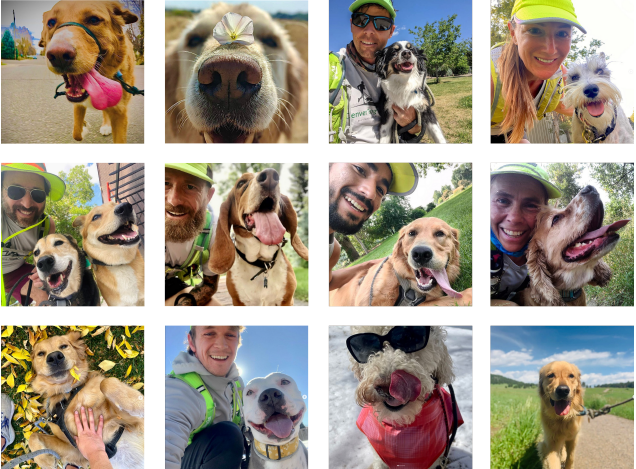
We’ve all heard it: one dog year is the same as seven human years. It’s a simple rule of thumb we grew up with, but as it turns out, it's not just an oversimplification—it's completely wrong. The reality is that your one-year-old pup is biologically much closer to a 31-year-old human than a seven-year-old child. This shift in thinking isn't just trivia; it changes the entire way we should approach our dogs' health and happiness.
Calculating Dog Years In Human Years The Modern Method

So, if the 1-to-7 ratio is out, what should we use instead? The old method was easy to remember, but it completely missed the mark on how dogs actually age. They don't mature at a steady, linear pace. Instead, they mature incredibly fast right at the start and then their aging process levels off.
Think of it this way: a dog's first year isn't a slow walk, it's a full-on sprint into adulthood. They blast off, reaching a level of maturity equivalent to a human in their early thirties. After that initial surge, their aging slows down to a steadier pace, but it's still nothing like the simple seven-year calculation we once believed.
The Science Behind the New Formula
This new understanding of dog years in human years comes from some fascinating research into what’s called the epigenetic clock. Scientists can track aging in both dogs and people by looking at specific chemical modifications to DNA called methylation patterns. These patterns change in predictable ways as we get older.
A 2019 study on Labrador Retrievers mapped these changes and developed a far more accurate formula: human age = 16 ln(dog age) + 31 . That "ln" stands for natural logarithm, a math concept that perfectly describes that rapid-then-slowing aging curve. Based on this, a four-year-old dog is closer to a 52-year-old human. By age seven, they're roughly 64—already approaching what we’d consider retirement age!
This isn't just a fun fact to share at the dog park. It's a game-changer. Realizing your three-year-old dog is already in their "late 40s" gives you a whole new perspective on their need for preventative health screenings, diet adjustments, and appropriate exercise.
A Quick Comparison of Aging Models
Seeing the different methods side-by-side really drives home just how much the old rule underestimated a dog's age, especially in their prime adult years.
Quick Look Dog Age Conversion Comparison
Here's how a medium-sized dog's age translates using three different methods. You can see how quickly the numbers diverge.
| Dog's Age | Old '7-Year' Rule (Human Years) | Modern Scientific Formula (Human Years) | Simplified AVMA Guideline (Human Years) |
|---|---|---|---|
| 1 Year | 7 | 31 | 15 |
| 3 Years | 21 | 49 | 29 |
| 7 Years | 49 | 64 | 49 |
| 10 Years | 70 | 68 | 60 |
The scientific formula and even the simplified vet guidelines show a massive jump in that first year. While no one calculation is perfect for every single dog, this modern approach gives us a much more realistic framework for understanding their life stages.
To see how these calculations work for your dog's specific age and size, play around with our interactive guide and human years to dog years calculator.
Why the Old 7-Year Rule No Longer Works
We’ve all heard it: one dog year is the same as seven human years. It's a simple, catchy rule of thumb that’s been passed down for generations. But where did this 1-to-7 ratio even come from?
It seems to have popped up sometime in the mid-1900s, based on a pretty simple calculation. Back then, people lived to be about 70, while the average dog lived for about 10 years. Do the math, and you get a neat 7:1 ratio. It was a straightforward way to put a dog's age into a human perspective.
The problem is, biology isn't that simple. This old method assumes dogs age at a constant, linear rate their entire lives, and that’s just not how it works.
A Flawed Analogy
Thinking a dog ages seven years for every one of ours is like assuming a newborn baby and a tiny kitten will grow up at the exact same pace. It’s obviously not true. A kitten is basically an adult cat by its first birthday, while a human is just getting started, with 18 years to go. The growth curves are wildly different, and the same principle applies to our dogs.
The seven-year rule completely misses the most important part of a dog’s timeline: their explosive growth in the first two years. A one-year-old dog isn’t a seven-year-old kid. They’re more like a teenager who has hit a massive growth spurt, both physically and hormonally. This is where the old model completely falls apart.
Misunderstanding this initial jump in age is more than just bad math. It can cause us to get their care wrong. When you treat a two-year-old dog like a 14-year-old human, you're missing the fact that they're biologically closer to a person in their early 40s. That means you might miss critical windows for training, socialization, and preventive health screenings.
Modern science, especially new research into how genes age, gives us a much clearer picture. That old ‘multiply by 7’ rule is out. Studies now show that a one-year-old dog is actually equivalent to a 30-year-old human. By their second birthday, they’ve rocketed to age 42 . Scientists are developing much better methods to understand how our dogs truly age.
The Real-World Impact of an Outdated Rule
This isn’t just a fun fact for trivia night. Sticking to the old 1-to-7 conversion for dog years in human years can directly affect a dog’s health and happiness. In fact, global surveys from 2022 showed that around 70% of pet owners still rely on this outdated rule, often leading to a mismatch in care.
Think about what this looks like in real life:
- Diet and Nutrition: If you think your three-year-old dog is just 21, you might keep them on high-calorie food. But in reality, they’re closer to a 49-year-old human, an age where metabolism naturally slows down. This is a fast track to weight gain.
- Exercise Needs: A two-year-old dog (human age 42) is in their physical prime. They don’t just need a casual walk; they need real, structured exercise to stay healthy and fulfilled—far more than you’d expect from a teenager.
- Veterinary Care: Believing your five-year-old dog is only 35 might make you put off senior wellness checks. The truth is, that dog is nearly 60 in human years. This is precisely when you need to start screening for arthritis, dental disease, and other conditions that come with age.
The seven-year rule was a good first try, an honest attempt to understand our companions better. But now that we know more, we can do more. Using a modern approach lets us provide smarter, more attentive care for every single stage of their lives.
How Breed and Size Redefine Your Dog's Age
While that modern scientific formula gives us a great starting point, it was developed mostly with medium-sized dogs in mind. To really get a handle on your dog's age in human years, you have to factor in the single biggest variable: their size. It’s one of the most fascinating quirks of dog biology that small and large breeds age at completely different speeds.
Think of it like this: a tiny, lightweight sports car can run for years with minimal wear and tear. But a massive semi-truck hauling heavy loads is under constant strain and shows its age much faster. The same idea applies to our dogs. A Great Dane's body is simply under more physiological stress than a Chihuahua's, which causes it to age more quickly.
The Great Divide in Canine Aging
This isn't just a small difference, either. It’s a core concept you need to grasp to understand your dog’s health journey. Smaller breeds tend to mature very quickly in their first year but then settle into a long, slow-aging adulthood. Giant breeds, on the other hand, just keep aging at a faster-than-average clip their entire lives.
What does this mean in real terms? A 6-year-old Great Dane is already a senior citizen, deep into their golden years. But a 6-year-old Pomeranian is just hitting a comfortable middle age. Knowing this distinction is absolutely critical for giving them the right care at the right time.
This isn't just about total lifespan. It's about when your dog enters each life stage. Recognizing that your large-breed dog is a 'senior' at age five or six allows you to be proactive about their health, focusing on joint support, diet, and exercise modifications much earlier than you would for a smaller dog.
How Different Sizes Age
That aging gap really starts to widen after the first couple of years. Veterinary experts have noticed clear patterns in how different weight classes mature. Did you know a dog's size has a huge impact on how "old" they really are? According to these experts, small dogs weighing under 20 pounds often live for 11-15 years , hitting their senior stage around age 9 or 10. Giant breeds over 100 pounds , however, might only live for 6-7 years .
After those first two years, each human year can equal about four years for a toy breed but a staggering seven to eight years for a giant one. You can dive deeper into how vets calculate age based on breed size on PetMD.com.
The chart below does a fantastic job of showing the stark differences between the old wives' tales, the new science, and the reality of how a dog's size changes everything.

This visual really drives home how the old seven-year rule—and even the newer scientific formula—can't quite capture the explosive aging a puppy goes through in its first year or the variations between breeds.
Your Dog's Age by the Numbers
To give you a clear, practical tool, we've broken down the conversion of dog years in human years across four standard weight categories. Just find the column that best matches your dog to see their approximate human-equivalent age.
Dog Age in Human Years by Breed Size
This detailed table illustrates how a dog's age translates to human years based on their weight, highlighting the dramatic differences as they get older.
| Dog's Actual Age | Small Breed (<20 lbs) Human Age | Medium Breed (21-50 lbs) Human Age | Large Breed (51-100 lbs) Human Age | Giant Breed (>100 lbs) Human Age |
|---|---|---|---|---|
| 1 Year | 20 | 20 | 18 | 14 |
| 3 Years | 28 | 30 | 32 | 34 |
| 5 Years | 36 | 40 | 45 | 50 |
| 7 Years | 44 | 50 | 58 | 66 |
| 10 Years | 56 | 65 | 78 | 96 |
| 13 Years | 68 | 80 | 99 | 120 |
As you can see, the numbers speak for themselves. A 10-year-old Chihuahua is like a spry 56-year-old person, while a 10-year-old Saint Bernard is equivalent to a 96-year-old human. This is powerful information that helps you anticipate your dog's needs with incredible accuracy, ensuring they get the right care at the right time for a long and happy life with you.
Matching Exercise to Your Dog's True Life Stage

Knowing your dog is, say, "50 in human years" is more than just a neat party trick. It's your single best clue for giving them the right kind of physical and mental challenges. Think about it: you wouldn't push a 50-year-old to train like a 25-year-old marathoner. The same logic applies to our dogs.
When you tailor their exercise to their biological life stage, you're doing so much more than just tiring them out. You're helping build strong muscles, maintain a healthy weight, and protect their joints for the long haul. This is where the science of dog years in human years becomes a practical, everyday tool. Let’s break down what your dog needs at every key stage of their life.
The Energetic Adolescent (1-2 Dog Years)
This isn’t just a "teenager" phase; it's a period of peak physical power. A dog between one and two years old is the biological equivalent of a human in their early 30s and 40s . They’re in their absolute prime, brimming with strength, stamina, and an insatiable curiosity.
Their bodies are incredibly resilient, but their minds need direction. Simply opening the back door and letting them run wild isn’t going to cut it. They need structured activities that channel all that explosive energy, building a lean physique without over-stressing growth plates that might still be closing, especially in larger breeds.
Here's what helps them thrive:
- Structured Running: Paced, consistent runs are fantastic for building cardiovascular health and releasing pent-up energy in a controlled manner. A professional service like Denver Dog Joggers can provide that perfect, safe outlet.
- Challenging Hikes: Navigating different types of terrain on a guided hike is a full-body workout that also sharpens their mind, coordination, and strength.
- Obedience and Agility: Don't underestimate mental exercise! Formal training reinforces your bond and gives their busy brain a job to do.
The Strong Adult (3-6 Dog Years)
By this point, your dog is like a person in their late 40s and 50s . They’ve moved past the chaotic energy of adolescence but are still very much in their prime. The name of the game now is maintenance—preserving that hard-earned muscle, managing their weight, and keeping their minds engaged.
This is also when their metabolism can start to slow down a bit, making them more prone to weight gain. Consistent, moderate-intensity exercise is your best defense against obesity and the health issues it brings, like joint pain and heart problems. Their endurance is still impressive, but you might notice recovery takes a little longer.
This is a critical time for preventative care. By keeping your adult dog active and at a healthy weight, you are directly investing in a more comfortable and mobile senior life for them down the road.
To keep your adult dog feeling their best, focus on:
- Consistent Cardio: Regular runs or brisk walks are perfect for keeping their heart healthy and their weight in check.
- Engaging Play: A good game of fetch or frisbee is an amazing physical and mental workout that never gets old.
- Weekend Adventures: Mix things up with longer hikes or swimming. Exploring local trails with a service like Denver Dog Hikers ensures they get a safe, fulfilling adventure that breaks up the routine.
The Wise Senior (7+ Dog Years)
Depending on their breed and size, a dog hits their senior years when they become the biological equivalent of a human aged 60 or older . Their energy levels naturally taper off, and the goal of exercise shifts from high-intensity bursts to gentle, low-impact movement. It’s all about maintaining mobility, preserving muscle tone, and protecting those precious, aging joints.
Shorter, more frequent walks are often much better than one long, grueling trek. It's absolutely vital to watch their body language for signs of fatigue or discomfort—like slowing their pace, excessive panting, or stiffness after they get up. For a closer look at a specific breed's needs, you can learn more about Labrador exercise requirements by age.
Ideal activities for senior dogs include:
- Gentle Walks: Slow, "sniff-centric" strolls are perfect. They let your dog explore the world through their nose without overdoing it.
- Swimming: This is the gold standard for senior exercise. It’s a fantastic non-weight-bearing activity that's easy on the joints while still providing a great workout.
- Puzzle Toys: Mental fitness is just as important as physical! Food puzzles and scent-work games keep their minds sharp, active, and happy.
Using Your Dog's True Age for Better Wellness Choices
Figuring out your dog's age in human years isn't just a fun party trick. It’s one of the best tools you have for making smarter, more empathetic choices that support your dog through every stage of their life. When you truly grasp their biological age, it changes how you think about everything from their diet to their daily activities.
This shift in perspective is especially crucial when it comes to what you put in their food bowl. A dog's metabolism starts to slow down as they hit middle age, much like a human's. For many dogs, this happens around age five , making them biologically similar to a person in their early 50s .
At this point, they become much more prone to weight gain, which puts a serious strain on their joints and internal organs. Simply adjusting their daily calories and keeping them active can make a huge difference in heading off obesity-related health issues later on.
Proactive Care for Every Life Stage
Thinking of your dog in human-equivalent years also completely reframes how you approach preventive vet care. It's easy to look at a seven-year-old dog and see them as being in their prime. But when you realize they are biologically closer to a human in their 60s , the need for regular check-ups becomes much clearer.
These vet visits are your single best tool for catching common age-related conditions early. A 60-year-old person needs more frequent health screenings, and your senior dog is no different.
Here are a few key areas your vet will keep a close eye on:
- Joint Health: The first signs of arthritis or stiffness can be managed far more effectively when caught early. If you've noticed your dog moving differently, our guide to understanding a limping dog's causes offers some great starting points.
- Dental Disease: Plaque and tartar become more common with age and can lead to surprisingly serious health problems if left unchecked.
- Vision and Hearing: While gradual changes are normal, regular exams can rule out more significant issues that might be developing.
- Organ Function: Simple blood work gives your vet a vital snapshot of your dog's kidney, liver, and thyroid health.
By scheduling bi-annual wellness exams for your senior dog, you’re not just putting out fires—you’re actively managing their long-term health. It’s one of the most loving things you can do to give them the best shot at a long, comfortable life.
Keeping Their Mind Sharp in the Golden Years
Finally, no wellness plan is complete without thinking about your dog's mind. Mental enrichment becomes even more important as a dog gets older. A mentally stimulated dog is a happy dog, and keeping their brain busy helps fend off cognitive decline and the anxiety that comes from sheer boredom.
Think of it like giving a human retiree crossword puzzles or a new hobby. The idea is to keep their mind working in gentle, rewarding ways.
Here are a few simple but powerful ways to enrich a senior dog's mind:
- Puzzle Toys: Turn mealtime into a brain game with slow-feeder bowls or puzzle toys that make them work for their kibble.
- Scent Work: Hide some of their favorite treats around the house and let them use their powerful nose to "go find" them. This is deeply satisfying for a dog.
- Gentle Training: Run through some basic commands they already know or teach them a new, low-impact trick. These short, positive sessions are great for your bond and their brain.
By combining age-appropriate nutrition, proactive vet care, and consistent mental stimulation, you create an environment that truly honors your dog's biological age. You're not just helping them grow old; you're helping them live well.
Partnering With Experts for Your Dog's Entire Journey
Figuring out your dog's age in dog years in human terms isn't just a fun fact. It's a key that unlocks a deeper, more compassionate understanding of your best friend. All this work—from leaving the old 7 -year myth behind to embracing modern science—is really about one thing: giving your dog a healthier, happier life.
Once you start seeing your one-year-old pup as a vibrant 30-something, or your seven-year-old companion as a senior easing into their 60s, your whole perspective shifts. Suddenly, their needs for a specific diet, preventive vet visits, and especially their daily exercise routine, all come into sharper focus.
Your Partner in Age-Appropriate Adventures
But let's be realistic. For busy Denver pet owners, it can be tough to make sure your dog is getting the right kind of activity for their life stage. That’s where bringing in a professional can make all the difference.
A service like Denver Dog Joggers and Hikers does more than just get your dog out of the house. We’re here to provide safe, structured, and perfectly paced adventures that truly match your dog’s biological age. Our handlers have a feel for these things—it's second nature to us.
We know that an "adolescent" dog, who is basically in their human 30s, craves a solid run to build good muscle tone. A "middle-aged" dog in their 50s, on the other hand, does great with a steady hike to maintain their fitness. And for our seniors, a gentle, sniff-focused walk is perfect for keeping their joints mobile and their minds sharp.
This kind of specialized care means your dog comes home not just tired, but genuinely fulfilled. It’s all about building a foundation of wellness that carries them through every chapter of their life, from boundless puppy energy to the quiet wisdom of their golden years.
Take the Next Step for Their Well-Being
Now that you have this new lens, take a fresh look at your dog. Are they an energetic adult in their human 40s? Or a wise old soul entering their 70s?
You can use this insight to make a positive change right now. By booking a run, walk, or hike that fits their real age, you’re investing directly in their long-term health and happiness. When you partner with experts, you’re giving your dog the incredible gift of well-being for all the years you have together.
Frequently Asked Questions About Dog Aging
Even after you get a handle on the modern formulas, figuring out your dog years in human years can still leave you with a few questions. Digging into the details is what helps you make the best possible choices for your four-legged friend's health at every stage of their life.
Let's walk through a few of the most common things people wonder about once they start looking at their dog's true biological age.
How Accurate Is The Scientific Formula?
That new logarithmic formula is a game-changer, but it’s really most accurate for medium-sized dogs. Why? Because the original study was built on data from Labrador Retrievers, who are the poster children for that middle-weight class.
For tiny dogs or giant breeds, the aging curve looks quite different. That's exactly why you should lean on the breed-size-specific charts we shared earlier. They do a much better job of showing how a very small or very large dog's body ages differently.
The big takeaway is to use the general formula as a great starting point, but always adjust for size. A Great Dane and a Chihuahua simply don't age the same way, and using a size-specific chart respects that crucial difference.
When Should I Switch to Adult Dog Food?
This is where knowing your dog's equivalent human age becomes incredibly practical. Most dogs mature so quickly in their first year that they're nutritionally considered an "adult" by their first birthday—which is similar to a 31-year-old human!
The big exception here is for large and giant breeds. These pups often need to stay on a high-quality puppy formula for much longer, sometimes up to 18-24 months . This gives their bones and joints the specific support they need for slower, more controlled growth, which can help prevent problems down the road.
Is It Safe to Run With My Senior Dog?
The short answer is a cautious "yes, but..." First and foremost, you absolutely have to check with your veterinarian. Just as important, you have to learn to listen to your dog. They’ll give you subtle (and not-so-subtle) cues when they’ve had enough.
This is also a situation where a professional's touch can make all the difference. Experienced handlers know how to create safe, low-impact exercise routines that are designed for a senior's specific needs. They can make sure your old friend gets the stimulation they crave without pushing their limits, protecting those aging joints and their overall health.
Partnering with Denver Dog means your best friend gets safe, age-appropriate adventures tailored for their entire journey. Book a run, walk, or hike today to support their lifelong well-being.
The Run Down