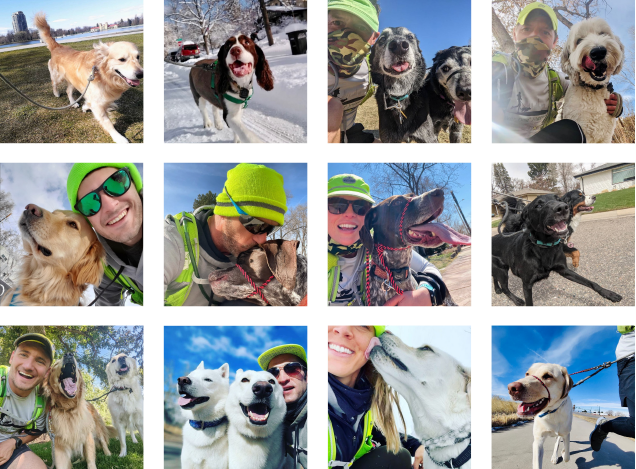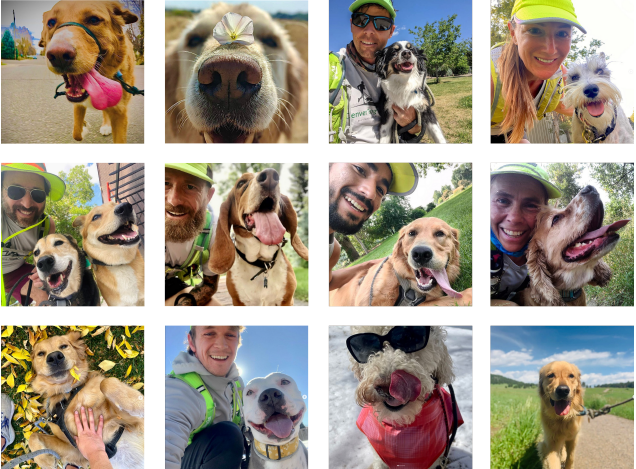
Confidence building isn't about forcing your dog to be brave. It’s about creating a series of small, positive experiences that slowly teach your timid dog that the world isn't as scary as they think. We're essentially giving them the tools to feel more secure and capable, one successful moment at a time.
Why Some Dogs Struggle with Confidence

Before we jump into the exercises, it’s important to understand why your dog might be struggling. A lack of confidence is rarely a personality flaw. More often than not, it's a completely understandable reaction to their biology and life experiences.
Think about it—just like us, dogs are a product of both nature and nurture. Some breeds are genetically wired to be more cautious or reserved. But their early life experiences, especially during the critical socialization window between 3 and 16 weeks of age, have an enormous impact on how they see the world.
Key Factors Influencing Dog Confidence
That short window in puppyhood is everything. It's when a puppy's brain is working overtime to figure out what's safe and what's dangerous. If they don't have plenty of positive encounters with different people, sounds, places, and other friendly dogs during this time, they can grow up believing that anything new is a potential threat.
A single bad experience—like being rushed by an off-leash dog or frightened by a loud noise—can also leave a lasting mark, chipping away at their sense of security. If you're seeing fear in your dog, know that you're far from alone.
It's estimated that around 20% of dogs exhibit anxiety-related behaviors. The good news? Studies have consistently shown that reward-based training methods significantly lower stress signals in dogs and help them develop a more optimistic, confident outlook compared to any methods involving punishment or fear.
Understanding Your Dog’s Behavior
A huge part of helping your dog is learning to read their body language accurately. Is your dog just naturally shy and reserved, taking a moment to warm up? Or are they truly fearful and showing signs of distress? A reserved dog might hang back for a bit, but a fearful dog’s behavior is much more intense—they might tremble, try to hide, or look for an escape route.
To help you tell the difference, here's a quick breakdown of general low-confidence indicators versus the acute stress signals you might see when a dog is actively overwhelmed.
Low Confidence vs Acute Stress Behaviors in Dogs
| Behavior Category | Low Confidence Indicators | Acute Stress Signals (Calming Signals) |
|---|---|---|
| Body Posture | Tucked tail, lowered head, hunched or cowering body | Lip licking, yawning, "whale eye" (showing whites of eyes) |
| Movement | Hesitant or slow movement, freezing, avoiding eye contact | Pacing, shaking off (when not wet), frantic sniffing of the ground |
| Social Interaction | Hiding behind you, reluctance to approach new people or dogs | Turning head away, sudden scratching, trying to flee the situation |
| Vocalization | Low, submissive whining | High-pitched, anxious barking or whining |
Learning to spot these signals in real-time is your superpower. It tells you when to back off and give your dog space versus when you can gently encourage them to explore.
This fear can also show up in unexpected ways, sometimes looking a lot like separation anxiety. If being left alone is a major trigger for your dog, you can learn more about how to manage these specific behaviors and build a confident pup in our guide to preventing separation anxiety in dogs.
The first real step is simply to observe. Pinpoint what specifically triggers your dog's fear. Is it the vacuum cleaner? Men wearing hats? The sound of skateboards? Once you know the enemy, you can create a plan. Every bit of training we do from here on out is built on a foundation of trust and positive reinforcement , showing your dog, over and over again, that you are their safe space.
Building Courage with Foundational Skills

When we talk about building a dog's confidence, the real magic happens in the small, everyday moments. It’s not about pushing them through scary situations but about creating a world where they feel successful and understood. We start by building a rock-solid foundation.
Think of these skills as the alphabet of a new shared language. They give your dog a clear, predictable way to communicate with you and learn that trying new things is always safe and rewarding. We'll kick things off with two of the most effective tools I use with almost every dog: marker training and a fun game called "touch."
Teaching Your Dog "Yes!"
Before we can ask our dogs to do anything, we need a way to instantly tell them, "That! That's exactly what I wanted!" This is what we call marker training . A marker is just a unique sound—either a click from a clicker or a sharp verbal cue like "Yes!"—that pinpoints the precise moment your dog gets something right.
To "charge" your marker, grab some high-value treats and find a quiet spot. Say your word (or click) and immediately follow it with a treat. Don't ask your dog to do anything; just mark, then treat. After about 10-15 repetitions, you'll see your dog's eyes light up in anticipation of the sound. They're starting to get it!
A marker is like a camera's shutter click. It captures the exact behavior you want, making your communication crystal clear. This clarity eliminates the guesswork and frustration that can cause anxiety, making your dog much more willing to engage.
This kind of clear communication is everything. It removes the confusion that so often fuels a dog's anxiety, showing them that their actions can lead to predictable, wonderful outcomes. Just like with people, building good habits creates a reliable structure, and this is the first and most important habit for your dog's confidence journey.
Introduce the "Touch" Game
One of my all-time favorite confidence-builders is hand targeting, or what most of us just call "touch." It's a simple game where you teach your dog to bop your open palm with their nose. The reason it works so well is that it empowers the dog to initiate contact on their own terms. They are making the choice to engage.
Ready to play?
- Start by holding your hand out, just a few inches from your dog's nose. Curiosity will usually take over, and they'll give it a sniff. The instant their nose makes contact, mark ("Yes!") and give them a treat from your other hand.
- Pull your hand back for a second, then present it again. If your dog seems hesitant, you can cheat a little by putting a tiny smear of peanut butter or cream cheese on your palm to get them started.
- Once they're confidently bopping your hand every time, start moving it around. Hold it a little higher, a bit lower, or off to the side so they have to take a step or stretch to reach it.
This simple game completely reframes what a human hand means. For a timid dog, learning to willingly move toward a person's hand is a monumental step. It turns a potentially scary interaction into a fun, predictable game where they are 100% in control.
At-Home Enrichment and Obstacle Challenges
A dog’s confidence isn’t just about big, brave moments. It’s built brick-by-brick in the small, everyday ones. You don't need a fancy agility course to start this work; your own living room is the perfect place to build some of the most powerful confidence exercises for your dog. The idea is to create simple, solvable puzzles that get your dog thinking for themselves and learning to navigate the world with a bit more swagger.
When we turn everyday objects into a fun game, we're teaching them that new things aren't automatically scary—they can be interesting and even rewarding. This process directly builds their body awareness, what trainers call proprioception . Most dogs carry around 60% of their weight on their front end and, frankly, aren't too sure what their back feet are doing. This is why you see clumsiness or hesitation.
These simple at-home challenges are all about helping them connect their brain to all four paws.
Building a DIY Confidence Course
Putting together a mini obstacle course at home is way easier than it sounds. The trick is to start with things that are low, stable, and almost guarantee success on the first try.
- Pillow Path: Grab some couch cushions or pillows and line them up on the floor. You’ve just created an uneven path. Lure your dog across it with a great treat, praising them for every step they take without bailing. This simple exercise teaches them to adjust their footing on wobbly surfaces.
- Blanket Tunnel: Drape a blanket over two chairs to make a short, inviting little tunnel. To start, just toss a high-value treat right inside the entrance. As they get more comfortable, you can toss it a little further in until they’re trotting all the way through like it’s no big deal.
- Texture Exploration: This is a fun one. Lay down different materials for your dog to walk over. A flattened cardboard box or a yoga mat is a great start. Later, you could try a crinkly tarp or even bubble wrap (always with supervision!). Lure them across and reward any interaction, even if it’s just a sniff at first.
The golden rule here is to let your dog investigate at their own pace. Never force them onto or over an object. Your calm, encouraging vibe and a steady supply of treats will show them that these new experiences are safe and fun.
Tapping into Their Natural Instincts
Physical challenges are fantastic, but don't forget about mental enrichment. Giving your dog a chance to use their incredible nose and brain to solve problems is one of the most satisfying things you can do for them. These activities are also a lifesaver for preventing boredom-related behaviors. If you’re seeing some new issues crop up, our guide on the key signs of boredom in dogs has some great insights.
Try mixing these simple enrichment games into your daily routine:
- Scatter Feeding: Ditch the bowl for a meal. Instead, scatter your dog’s kibble across a clean patch of floor or in a snuffle mat. This immediately turns mealtime into a fun foraging game that engages their powerful sense of smell.
- Puzzle Toys: Start with a super easy, beginner-level puzzle toy where the treats come out almost instantly. That early win is crucial for building enthusiasm. As they get the hang of it, you can level up the difficulty.
- The "Find It" Game: Ask your dog to sit and stay while you “hide” a smelly treat in plain sight just a few feet away. Release them with a cheerful "Find it!" and act like they just won the lottery when they do.
These games aren't just about burning off energy; they're about creating an independent problem-solver. Every time your dog figures out a puzzle or finds that hidden treat, they get a little jolt of self-confidence. They're learning that they are capable, they are smart, and they can make good things happen all on their own.
Helping Your Dog Master the Outside World
Taking the confidence you've built inside your home and applying it to the big, unpredictable world outside is often where owners get stuck. This is where we bring in two of the most powerful tools in our training toolkit: desensitization and counterconditioning (D&CC). I know it sounds like a mouthful, but the concept is actually simple and incredibly effective.
Think of it as changing your dog's mind about what scares them. Desensitization is about carefully managing exposure to a trigger—like a passing car or another dog—from a distance where they can notice it but not panic. The "counterconditioning" part is where you create a new, positive association. You pair the sight of that trigger with something absolutely fantastic, like high-value treats.
Slowly but surely, their brain makes a new connection. That scary thing (a jogger) no longer means "DANGER!" It starts to mean "TREATS!" The emotional response flips from fear to happy anticipation.
Real-World D&CC in Action
So, how does this actually look? Let's say your dog gets tense around strangers when you're at the park. Your first job isn't to get closer to people. It's to find your dog's threshold —that sweet spot where they can see a person and still feel safe.
- Maybe that distance is 100 feet . Perfect. Find a bench or a quiet spot at that distance and just hang out.
- Every single time a person comes into view, cheerfully mark the moment with a "Yes!" and immediately give your dog a piece of chicken or cheese.
- Keep these sessions super short—just a few minutes to start. Always end on a good note before your dog gets overwhelmed.
The real art is learning to juggle three factors: distance, duration, and intensity. If a loud group of kids suddenly runs by (high intensity), you'll need to create more distance to help your dog feel secure. This is all about reading their body language. If you're not sure what to look for, our guide on how to read dog body language for safer, happier walks is a great place to start.
This isn't a quick fix, and it requires real patience. But D&CC is the gold standard for a reason. By building these positive associations, we're not just suppressing fear—we're truly changing how the dog feels.
Don't Forget to Keep Building Confidence Indoors
While you're working on those outdoor challenges, it's just as important to continue building your dog's confidence at home. A dog who feels capable and successful in a controlled environment is much better prepared for the uncertainties of the outside world.
The diagram below shows a great progression for at-home enrichment that I use with my own clients.

Moving from simple obstacles to different textures and then to engaging puzzles helps a dog develop body awareness and learn to think for themselves.
A dog who is a confident problem-solver indoors is better equipped to handle uncertainty outdoors. Each puzzle they solve or obstacle they conquer is another small deposit in their confidence bank, giving them a foundation of success to draw from when facing the bigger challenges of the outside world.
Integrating Training into Daily Adventures

Confidence isn't built in a vacuum. The real magic happens when your dog learns that the skills they practice in the living room actually work out in the unpredictable real world. Every walk, park visit, and hike is a golden opportunity to cement the hard work you've put in.
It helps to shift your thinking. An outing isn't just about potty breaks and exercise anymore—it's your mobile training classroom. That curb becomes a balance beam, a park bench is a perfect "place" station, and a quiet moment is a chance to reward your dog for simply being calm.
Turning Walks into Confidence Boosters
Your daily walk is the perfect place to start layering in some of the dog confidence building exercises you've been practicing. It breaks up the monotony and helps your dog see you as the most interesting thing out there, even with a squirrel dashing by.
-
Urban Agility: You don’t need a fancy course. Ask your dog to put their "paws up" on a sturdy bench, or encourage them to walk along a wide, low retaining wall. These little challenges build body awareness (proprioception) and give them a sense of physical accomplishment.
-
"Find It" on the Go: When you hit a grassy patch, toss a handful of high-value treats and say "Find it!" Letting them use their nose is a fantastic way to de-stress a dog who's getting a little tense. It taps directly into their natural instincts, which is deeply satisfying for them.
-
Spontaneous Check-ins: At random times on your walk, cheerfully say your dog's name. The second they glance back at you, mark it with a "Yes!" and give them a great treat. This builds a powerful habit of staying connected to you, even when the world is full of amazing smells.
I often see owners who only talk to their dog on a walk when they’re pulling or barking. If you flip that script and sprinkle in these fun, rewarding moments, your dog learns that checking in with you is the best part of the adventure.
Setting Everyone Up for Success
Sooner or later, you'll probably have a friend, family member, or professional dog walker help out. To make sure they don't accidentally undermine your progress, you need to arm them with clear, specific information. Simply saying "He's a little nervous" isn't enough.
Put together a simple one-sheet of notes for anyone who walks your dog. This isn't being a helicopter parent; it’s being a great advocate for your dog's well-being and ensuring their experiences stay positive.
Your Dog’s Personal "User Manual"
Think of it as a quick-start guide to your dog. Here’s what it could look like:
| Category | Example Instructions |
|---|---|
| Known Triggers | "Scout is terrified of skateboards and kids on scooters. If you see one, please smile, turn, and walk the other way before he has a chance to react." |
| Threshold Distance | "He's comfortable seeing other dogs from about 50 feet away. Keep that distance and please don't allow any on-leash greetings." |
| Emergency Cues | "If he gets overwhelmed, use our 'Let's Go!' cue in a happy voice and quickly jog a few steps away. Reward him with a treat once he's moving with you." |
| Handling Instructions | "Please only use his 6-foot nylon leash (no retractable leashes). Give him a treat anytime he walks by your side with a loose leash." |
By weaving training into your everyday adventures and clearly communicating your dog’s needs, you build a predictable, supportive world for them. Every successful outing adds another layer to their confidence, proving that with you on their team, they can navigate whatever comes their way.
Common Questions About Building Dog Confidence
It's totally normal to have questions pop up as you start this journey. Building a dog's confidence isn't always a straight line, and knowing how to handle the inevitable bumps in the road is half the battle.
Let's go over a few of the most common things owners ask when they're working to help their timid pup feel more secure.
How Long Will It Take to See a Difference in My Dog?
I get this question all the time, and the honest-to-goodness answer is... it really depends. Every dog is an individual, with their own history, genetics, and personality shaping their timeline. For some dogs, you might spot small but meaningful wins in just a few weeks—maybe they choose to sniff a new object on their own instead of hiding behind you.
For a dog working through more profound fears, progress might be measured in months, not weeks. The real secret is to stop looking for a finish line and start celebrating the tiny victories. Did your nervous dog glance at another dog across the street and then immediately look back to you for a treat? That's not just a small step; that's a monumental win! Progress isn't linear, but every single positive experience helps build a stronger foundation.
Are These Exercises Good for a Newly Adopted Rescue Dog?
Absolutely! These exercises can be a game-changer for rescue dogs, but you have to follow one golden rule: patience is everything . Before you dive into any formal training, a new dog needs time to simply decompress and get their bearings. A great guideline is the "Rule of Threes" many rescue experts swear by.
- 3 Days: Your dog is just decompressing. They're realizing they're in a new, strange place and figuring out the basic lay of the land.
- 3 Weeks: They're starting to settle in, learning your daily routine, and figuring out when to expect meals and walks.
- 3 Months: This is often when your dog truly feels at home. Their true personality starts to shine through as they feel safe and secure.
Once they've had some time to settle, start with the easy stuff. The simple enrichment games and foundational skills like a "touch" cue are perfect for building your bond in a low-pressure way. That predictability is exactly what a rescue dog needs to feel safe enough to start building real confidence.
What if My Dog Gets Scared and Shuts Down During Training?
If you see your dog suddenly freeze up, tuck their tail, start yawning like crazy, or try to escape, they've gone "over threshold." This is just their way of saying, "This is too much for me right now." It's not a failure on your part—it's crucial feedback from your dog.
The moment you see those signs, stop what you're doing. The best thing you can do is create more distance from whatever scared them or make the task significantly easier. Your only job in that moment is to help them feel safe again.
Always aim to end your training sessions on a high note. If things go south, just ask for a simple "sit" you know they can do, reward them enthusiastically, and call it a day. This ensures they walk away feeling successful, not stressed.
Working "under threshold"—where your dog is still engaged and thinking, not just reacting—is the goal. When you learn to read their signals and adjust, you prove to them that you're a partner they can trust. That trust is the bedrock of a confident, happy dog.
At Denver Dog , we believe that structured exercise is a key part of building a dog’s confidence and well-being. Our on-leash running and hiking adventures provide the perfect opportunity for your dog to explore the world safely with an experienced handler. Learn more about our services and book an adventure for your pup today.
The Run Down