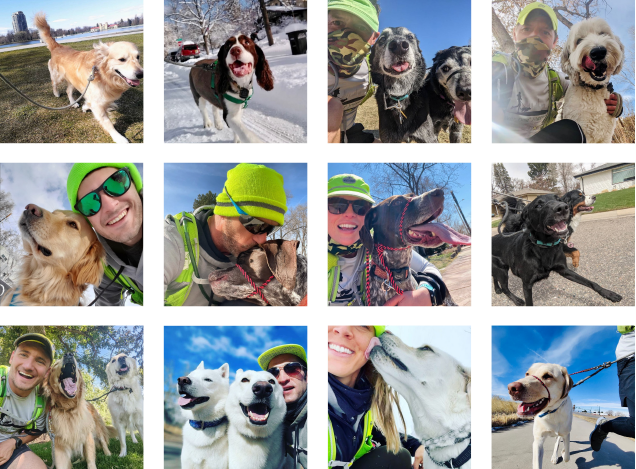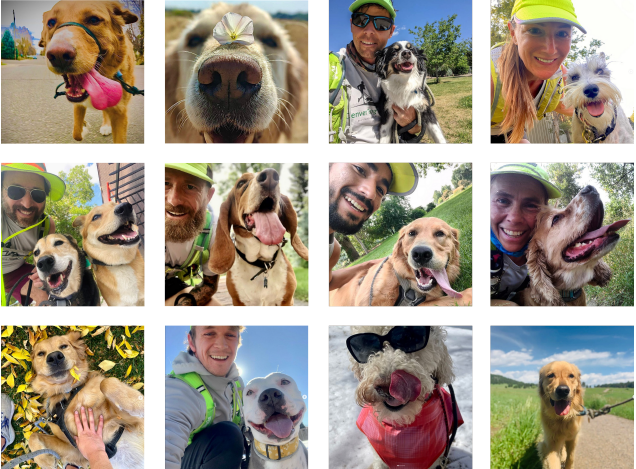
You might think allergy season is over once the snow starts to fall, but for many Denver dogs, the itching and scratching are just getting started. It's a frustratingly common misconception. Winter allergies are a real and persistent issue , swapping outdoor pollen for indoor irritants like dust mites, mold, and dander that get trapped inside our cozy, sealed-up homes.
Why Winter Allergies Are a Problem in Denver

Just when you think you’re in the clear, a new set of allergens takes over. As soon as we shut our windows and crank up the heat for winter, we create a perfect storm for what veterinarians often call 'winter allergy syndrome.' The indoor air becomes a concentrated soup of allergens, leading to that miserable cycle of dry, itchy skin, endless paw licking, and stubborn ear infections.
Here in Denver, our famously dry climate makes things even tougher. The arid air saps moisture from your dog’s skin, compromising its natural protective barrier. This makes them far more vulnerable to the allergens circulating inside your home.
The Rise of Year-Round Allergies
If it feels like your dog's allergies are getting worse or lasting longer, you're not imagining it. Allergic reactions in dogs are on the rise and becoming a year-round battle for many owners. A 2018 report, for instance, noted a sharp 30% increase in dog allergy cases over just ten years.
Veterinarians in climates like ours see it all the time. Denver's erratic weather—with surprise warm days melting the snow—can trigger unexpected mold growth and even late-season plant activity, blurring the lines between seasons. This is why understanding indoor triggers is just as crucial as knowing how to handle pollen. If you're still fighting the good fight against pollen, our guide on dog pollen allergy relief has some great tips.
To help you pinpoint what might be bothering your dog this winter, here’s a quick rundown of the most common indoor culprits.
Common Winter Allergy Triggers at a Glance
This table summarizes the main suspects hiding in your home.
| Allergen Type | Where It's Found | Key Sign in Dogs |
|---|---|---|
| Dust Mites | Bedding, carpets, upholstered furniture, dog beds | Itchy skin, especially on the belly, paws, and face |
| Mold Spores | Damp areas like basements, bathrooms, window sills | Chewing on paws, recurring ear infections, musty odor |
| Dander | In the air and on surfaces from humans or other pets | General itchiness, sneezing, watery eyes |
Knowing these common sources can help you start looking in the right places to bring your dog some much-needed relief.
The biggest shift with winter allergies is moving your focus from the outdoors to the indoors. The more time you and your dog spend cooped up together, the higher their exposure to these concentrated household irritants becomes.
Understanding the root causes is always the first step. For a deeper dive into the science behind pet allergies, their causes, and treatments, this is an excellent resource. By identifying these triggers, you can start making your home a safe and comfortable haven for your dog again.
Recognizing the Symptoms of Winter Allergies
So, how can you tell if your dog’s winter woes are just a passing itch or a sign of something more? Figuring out if your dog has dog winter allergies is about looking past the obvious scratching. The signs can be surprisingly subtle, but catching them early is the key to preventing a simple irritation from turning into a painful skin infection.
Unlike people who get a runny nose and itchy eyes, dogs show their allergic reactions almost entirely through their skin. When their body overreacts to an allergen, their skin is what takes the hit.
It's Not Just About the Itch
The most common sign is, of course, intense itching—what vets call pruritus . But this isn't just a random scratch here and there. It often shows up as obsessive, targeted behaviors.
- Non-Stop Paw Licking: This is a huge one. You might notice your dog constantly chewing or licking their paws, especially right after they come inside. That relentless licking can even stain light-colored fur a rusty brown from their saliva.
- Chronic Ear Infections: Is your dog always shaking their head or digging at their ears? Do you catch a whiff of a musty, yeasty smell? Allergies cause inflammation inside the ear canal, creating the perfect warm, moist environment for yeast and bacteria to take over.
- Angry Skin and Bald Patches: Take a look at your dog’s belly, armpits, and groin. You might see red, irritated skin. Sometimes, this can escalate into "hot spots"—raw, weeping sores—or you'll notice patches of thinning fur from all the chewing.
- The Dreaded Scoot: Seeing your dog drag their rear end across your living room rug isn't just embarrassing; it’s a cry for help. Itching around the tail and anus is another classic allergy symptom.
Have you noticed your dog seems more on edge or can't seem to settle down, especially at night? This isn’t just a weird quirk. Constant, low-grade itching can completely disrupt their sleep and lead to real anxiety. It's maddening for them.
Playing Detective: When Do the Symptoms Appear?
The real giveaway is often when these symptoms flare up. Paying attention to the timing can help you pinpoint the cause. For instance, does your dog come back from a walk on Denver's salty sidewalks and immediately start gnawing at their paws? That's a strong clue they're reacting to the chemical de-icers.
Or maybe the itching is a year-round issue, but it gets dramatically worse the moment you crank up the furnace for the winter. This points straight to indoor culprits like dust mites. These tiny pests love the warm, dry air your heating system creates, and once the heat kicks on, they get blasted into the air and settle all over your dog’s world—the carpet, the dog bed, and the sofa.
By connecting these behaviors to specific winter triggers, you can get ahead of the problem. You can intervene before that frustrating itch-scratch cycle spirals into open sores and a vet visit for antibiotics. Paying attention to these clues is the first step toward getting your dog some real relief.
Creating an Allergy-Relief Plan at Home
While you can't control what's floating around in the Denver air outdoors, you have complete say over your dog's indoor environment. Turning your home into a safe zone is one of the most effective ways to manage your dog's winter allergies. A few consistent changes at home can make a world of difference in reducing their exposure to allergens and soothing that irritated, itchy skin.
This isn't just about comfort; it's a major part of your dog's overall health. In fact, skin allergies are the number one reason dogs are taken to the vet, accounting for a staggering 16% of all dog submissions to pet insurance for 13 years straight. As a deep dive on the financial and emotional toll of pet allergies on DVM360 explains, the costs and stress can add up fast, making proactive home care your best investment.
Control Your Indoor Air Quality
Your first move should be tackling the air inside your home. Denver's notoriously dry winter air is a major culprit, stripping moisture from your dog's skin. This weakens its natural protective barrier, leaving it vulnerable to irritants.
- Run a Humidifier: I always recommend placing a cool-mist humidifier in the rooms where your dog sleeps or hangs out the most. This simple step puts much-needed moisture back into the air, helping to keep their skin hydrated and less likely to crack and itch.
- Invest in a HEPA Purifier: A High-Efficiency Particulate Air (HEPA) filter is a non-negotiable for allergy-prone dogs. It traps the microscopic troublemakers—dust mites, dander, and mold spores—that your furnace constantly circulates throughout the house.
This flowchart shows exactly what happens when that initial itch isn't managed properly.

It’s a vicious cycle. What starts as a simple itch can quickly escalate into a painful infection, which is why getting ahead of it at home is so critical.
Establish a Soothing Grooming Routine
Think of grooming as therapy for dog winter allergies , not just a beauty routine. Gentle, regular care physically removes allergens from your dog’s coat and skin while offering some immediate, blessed relief from the itching.
A consistent bathing schedule is huge. Using a vet-approved, soap-free shampoo can wash away allergens and calm inflamed skin. I've seen great results with products that have oatmeal or other natural, soothing ingredients.
And don't overlook the paws. They're on the front lines, picking up every bit of salt, de-icing chemical, and grime on your walks.
One of the best habits you can build is keeping a pack of hypoallergenic pet wipes and a small towel by the door. A quick wipe-down of your dog's paws, belly, and face after every single trip outside takes less than a minute but removes a massive load of potential allergens before they can cause a reaction.
Support Skin Health from the Inside Out
A resilient, healthy skin barrier is your dog's best defense against environmental triggers, and you can build that strength through nutrition.
Omega-3 fatty acids, typically from fish oil supplements, are fantastic for their anti-inflammatory effects. By adding them to your dog's meals, you can help fortify the skin barrier from within, making it less reactive to allergens. Just be sure to talk to your vet first to get the right dosage for your dog's specific size and needs.
A warm dog is also a more comfortable dog, so be sure to check out our other tips on how to keep dogs warm in the winter for a holistic approach.
Safely Navigating Denver's Winter Trails

Here in Denver, enjoying the outdoors with our dogs doesn't stop when the snow starts to fall. But as professional dog hikers and runners, we know that winter adventures come with their own set of rules, especially for a pup with allergies. A little preparation goes a long way in making sure a fun hike doesn't turn into an itchy, painful ordeal.
The most common problems we see aren't always obvious. It's the hidden stuff on trails and sidewalks, like chemical de-icers and salts, that can wreak havoc. These products are incredibly harsh on sensitive paw pads, leading to dryness, irritation, and even chemical burns. For a dog already struggling with dog winter allergies , this exposure can pour fuel on the fire, triggering a cycle of obsessive licking and chewing.
Essential Gear for Winter Outings
Proper gear is your best defense. Think of it as a shield between your dog and all those harsh winter elements.
- Protective Dog Booties: We consider these non-negotiable for city walks or anywhere de-icing salts are common. Booties create a physical barrier that keeps paws dry and, most importantly, away from irritating chemicals and sharp ice crystals.
- Paw Balm or Wax: Some dogs just won't tolerate booties, and that's okay. A quality paw balm is an excellent alternative, especially for more natural trails. When you apply it before heading out, it creates a breathable shield that moisturizes the pads and prevents snow from balling up between their toes.
One of the biggest mistakes we see owners make is underestimating those brightly colored de-icing pellets. They often contain chemicals like calcium chloride, which don't just irritate the skin but can be toxic if your dog licks a large amount off their paws. Your best bet is to steer your dog around them completely.
The Post-Hike Cleanup Station
What you do the second you get back inside is just as critical as what you do on the trail. We have a non-negotiable "post-hike cleanup" routine for our pack, and you can easily create your own at home.
The goal is simple: get any lingering allergens and irritants off their paws and fur before they have a chance to cause a reaction or get tracked all over your house.
Your Quick-Wipe Kit:
- A shallow tub or basin with a bit of lukewarm water.
- A dedicated "paw towel" for drying thoroughly, paying special attention to the spaces between their toes.
- A pack of hypoallergenic pet wipes for a quick wipe-down of their legs and belly.
This entire routine takes less than two minutes, but it's a total game-changer. It physically removes salt, slush, and allergens, stopping that frantic post-walk paw licking before it even starts.
Professional Protocols for Busy Owners
As a professional dog hiking service, our team follows these exact steps on every single outing. It's how we guarantee a dog's safety and comfort. We are mindful of our trail choices, avoiding heavily treated areas whenever possible, and we always perform paw checks and clean-ups before returning a happy, tired dog home. This diligence ensures their time with us is all about healthy exercise, not allergic consequences.
For more tips and tricks, check out our complete guide on how to exercise a dog in winter safely.
When Home Care Isn't Enough: Calling in the Vet
Even with the best at-home care, some winter allergy flare-ups are just too much for home remedies to handle. It's tough, but you have to know when to call for professional backup. If you’ve been consistent with grooming, bathing, and managing your home environment, but your dog is still scratching relentlessly, it’s time to call the vet.
Persistent misery is one thing, but some symptoms are absolute non-negotiables. These are signs that a simple itch has escalated, likely into a secondary infection that needs medical intervention.
Red Flags That Mean "Call the Vet Now"
If you spot any of these, don't second-guess yourself—make that appointment.
- Oozing Hot Spots: These angry, raw patches of skin can appear out of nowhere and spread fast. They're painful and almost always infected.
- Open Sores or Scabs: When scratching breaks the skin, it’s an open invitation for bacteria. This needs to be stopped before it gets worse.
- A Funky Smell: Trust your nose. A musty, yeasty, or just plain foul odor from your dog's skin or ears is a hallmark sign of a yeast or bacterial infection.
- Visible Pain or Lethargy: If your dog just isn't themselves—they're irritable, sluggish, or clearly in pain from their skin—they need a vet’s help to get comfortable again.
You know your dog better than anyone. If your gut is telling you something is seriously wrong or that they're truly suffering despite all your efforts, listen to it. A vet visit can provide answers, effective treatments, and most importantly, relief for your best friend.
What to Expect at the Vet's Office
Once you’re there, your vet will start putting the puzzle pieces together. The first step is always a thorough physical exam and a good chat about your dog’s history, lifestyle, and when the symptoms flare up. Their initial goal is to rule out other common culprits for itchiness, like fleas, mites, or food allergies.
If they suspect the issue is environmental, they’ll likely talk to you about allergy testing. This is the only way to truly nail down the specific allergens—like dust mites or mold—that are making your dog miserable.
- Intradermal Skin Testing: This is the gold standard for a reason. A veterinary dermatologist injects a tiny amount of various common allergens into the skin to see which ones cause a small, hive-like reaction.
- Blood Testing (Serology): A simple blood draw can also be used. The lab will measure the level of specific antibodies in your dog's blood to identify what they're reacting to.
Veterinary Treatments for Lasting Relief
With a clear diagnosis, your vet can create a game plan with treatments that pack a much bigger punch than anything you can buy over the counter. They might prescribe oral medications or medicated shampoos to get severe itching and inflammation under control quickly.
For long-term management of dog winter allergies , immunotherapy (often called allergy shots) is a fantastic option. Your vet uses the results from the allergy test to create a custom "vaccine" with trace amounts of your dog’s specific triggers. Over time, you’ll give your dog a series of these shots with increasing doses. The goal is to gently retrain their immune system to stop overreacting to those allergens. It’s a true long-term solution that gets to the root of the problem, offering a real shot at lasting comfort.
Answering Your Questions About Dog Winter Allergies
Even the best-laid plans can leave you with lingering questions. When it comes to your dog's comfort, you want answers you can trust. Let's tackle some of the most common things we hear from Denver pet parents about navigating winter allergies.
Can I Give My Dog Benadryl for Winter Allergies?
This is probably the number one question we get, and the answer is a firm no—not without a direct green light from your vet. Giving human medications to dogs is tricky business. The right dose is incredibly specific to your dog's weight and overall health, and getting it wrong can be dangerous.
Honestly, even with a vet's approval, Benadryl often isn't the best tool for the job. It tends to cause drowsiness without actually resolving the deep, frustrating itch that comes with environmental allergies. Your veterinarian has access to much safer and more effective prescription options that target the inflammation at its source, providing real relief instead of just a sedative effect.
Are Certain Dog Breeds More Prone to Allergies?
Genetics absolutely play a part. We see a lot of environmental skin allergies ( atopic dermatitis ) in certain breeds. Golden Retrievers, Labradors, German Shepherds, Boxers, and many terriers are just a few of the breeds genetically wired to be more sensitive.
In a dry climate like Denver's, these dogs can really struggle in the winter, showing more severe symptoms like flaky skin and constant irritation. But here's the thing: any dog can develop allergies. Whether you have a purebred or a one-of-a-kind mutt, the key is to watch for the signs in your individual dog, not just rely on breed stereotypes.
It's a frustrating reality for many owners that dog allergies can become a chronic, year-round issue. Managing this often involves long-term strategies and veterinary care.
When you're facing a long-term condition, it’s natural to wonder about the financial side of things. A common question is whether you can get pet insurance coverage for allergies and how that works if the condition is pre-existing.
How Can a Professional Dog Walker Help?
Bringing in a professional for your dog's daily walks or hikes is about so much more than just exercise. For a dog with winter allergies, it's a critical piece of their management plan.
- Stress Reduction: Consistent, structured exercise is a fantastic way to lower stress, which is a known trigger for making allergy flare-ups worse. A tired dog is a less-stressed dog.
- Hazard Avoidance: Our experienced handlers are trained to spot and avoid things that can irritate your dog's paws, like those brightly colored de-icing salts splattered all over city sidewalks.
- Boredom Busting: A bored dog will often lick, chew, and scratch just to have something to do. By keeping them physically challenged and mentally engaged on an adventure, we help break that cycle of obsessive behavior.
It gives your dog a safe and healthy outlet for their energy while helping you control their environment and minimize exposure to triggers.
At Denver Dog , we provide safe, structured adventures that keep your dog happy and healthy, even during allergy season. Learn more about our professional dog running and hiking services at https://www.denverdog.co.
The Run Down